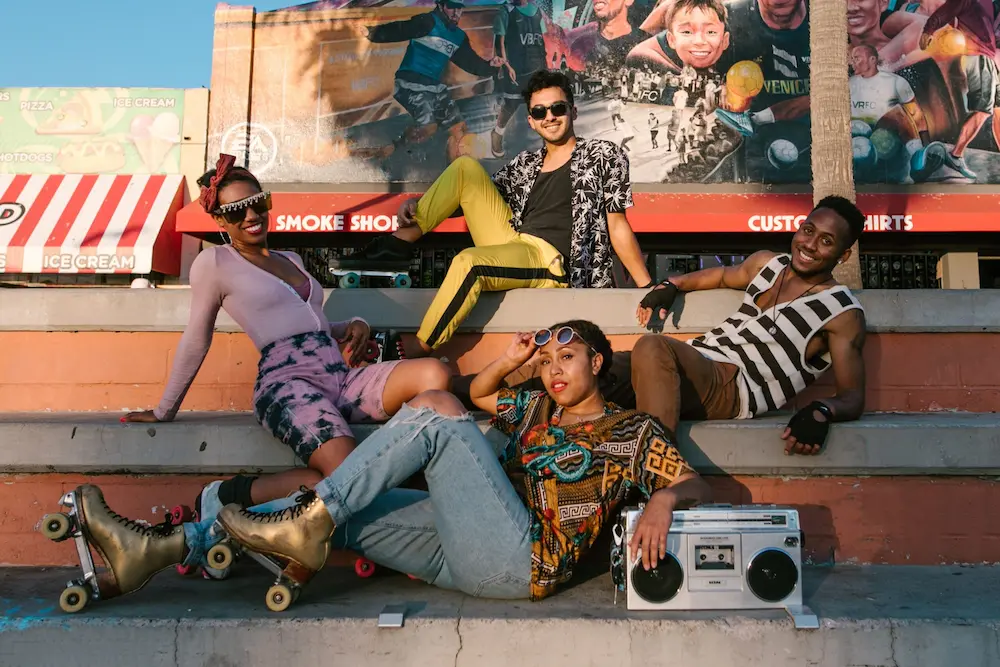
The 1980s treated clothing as a public statement. Fashion became larger, brighter, and more visible as designers, musicians, television characters, and youth cultures competed to define the decade’s image. The fashions of the 80s could signal ambition, rebellion, glamour, athleticism, or belonging before a person said a word.
From tailored power suits to customized denim, the period offered more than one recognizable look. Its lasting importance comes from the way runway fashion, entertainment, nightlife, and street culture influenced one another.
What Defined Fashion in the 1980s?
Fashion favored confidence over restraint. Strong proportions, saturated color, mixed textures, and highly visible accessories created identities that felt deliberate rather than neutral.
Bold Silhouettes
Broad shoulders, oversized jackets, puffed sleeves, fitted waists, and full skirts changed the outline of the body. These proportions made the fashions of the 80s appear assertive in corporate suits, evening dresses, and casual layers.
Volume at the shoulders or sleeves was often balanced by a defined waist, narrow skirt, or close-fitting trousers. Power belts also helped emphasize the contrast between a broad upper body and a smaller waist.
Bright Colors
Electric blue, neon pink, vivid yellow, purple, red, and metallic finishes appeared across sportswear, dresses, knitwear, and accessories. Many outfits combined intense shades through layering, prints, and color blocking.
Even conservative looks could include a bright belt, shoe, scarf, or piece of costume jewelry. This use of color made the decade instantly recognizable.
Statement Dressing
Statement dressing built an outfit around visual impact. Sequins, animal prints, leather, lace, oversized jewelry, visible logos, and dramatic outerwear turned clothing into personal branding.
The goal was presence. A successful look communicated confidence, taste, subculture, or status from across the room. This expressive approach could be found in corporate fashion, club culture, music performances, and designer collections.
You might be interested in reading: The Official Guide: How to Get Tickets to New York Fashion Week 2026
How Music, Television, and Celebrity Culture Shaped Style
Entertainment accelerated the movement of fashion ideas. Music videos and television placed complete looks before large audiences, while celebrities gave garments, hairstyles, and accessories an identity people could imitate. MTV’s arrival in 1981 made pop-star style especially visible to international audiences.
Music Movements That Influenced 1980s Fashion
Four musical movements had an especially visible effect on style:
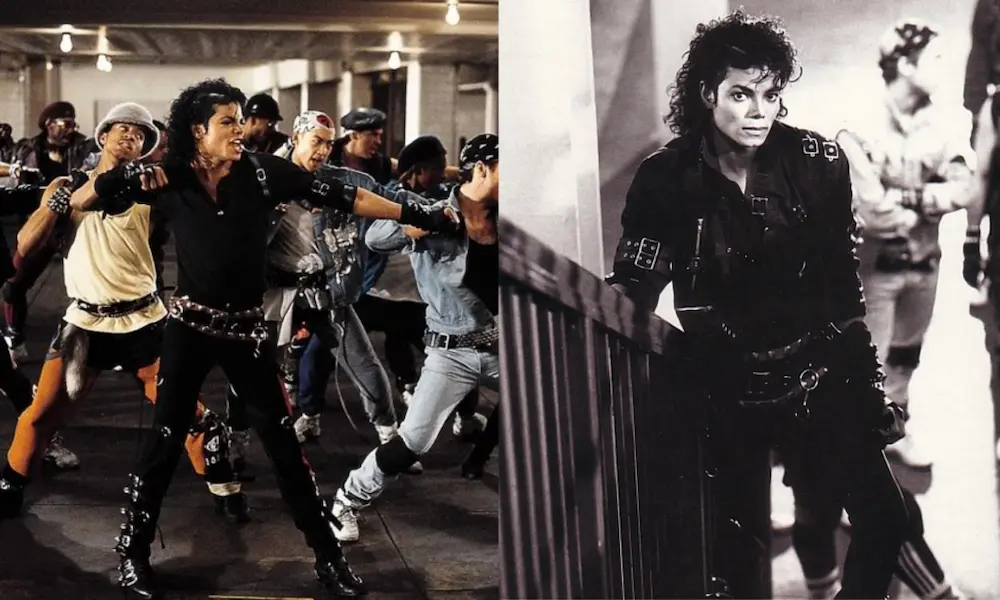
- Pop brought lace, cropped jackets, gloves, bold jewelry, and highly styled performance looks into the mainstream.
- Hip-hop elevated tracksuits, sneakers, gold chains, branded sportswear, and customized streetwear.
- New wave and New Romantic music encouraged theatrical tailoring, makeup, historical references, and experimentation with gender presentation.
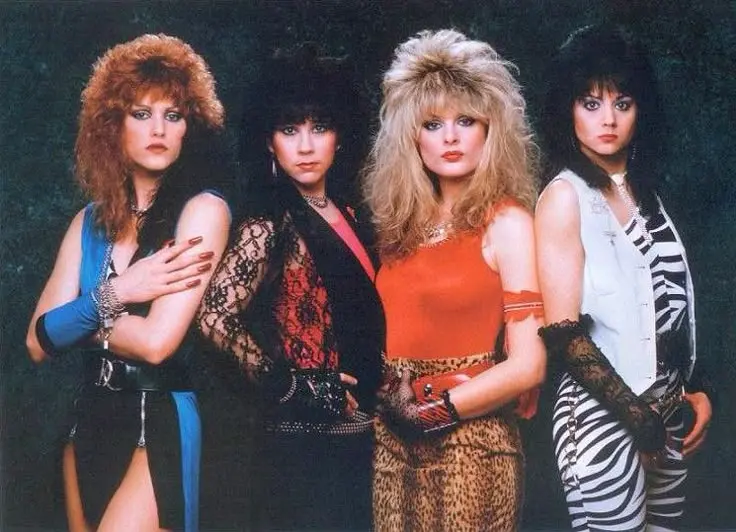
- Rock and glam favored leather, denim, metallic fabrics, boots, sequins, and dramatic hair.
Madonna, Michael Jackson, Run-D.M.C., Prince, Culture Club, and Adam Ant helped turn music into a major engine behind the fashions of the 80s. Hip-hop style also developed a distinctive visual language rooted in Black urban culture, sportswear, customized clothing, and highly recognizable accessories.
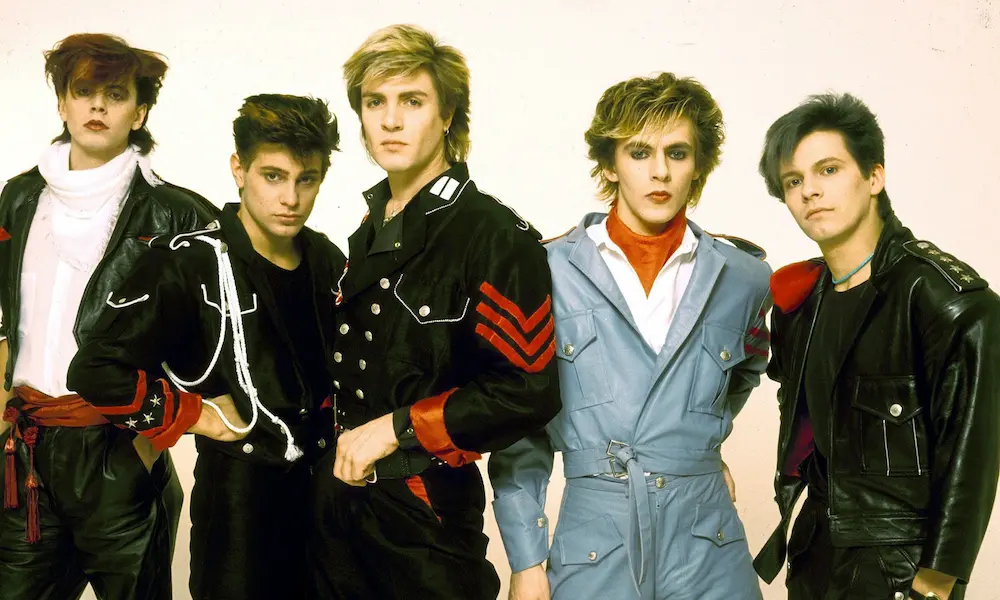
Duran Duran
Duran Duran – 1982
Television Shows That Reinforced the Look
Several television platforms and programs helped specific styles reach larger audiences:
Dynasty reinforced glamorous power dressing, shoulder pads, formal eveningwear, and oversized jewelry.
Miami Vice became associated with fashion-forward menswear, relaxed jackets, pastel colors, and polished casual styling.
MTV gave musicians a visual platform where clothing, makeup, choreography, and image became inseparable from the music.
Television allowed viewers to see these looks repeatedly rather than encountering them only in magazines or stores. It helped turn complete wardrobes into recognizable lifestyles that audiences could interpret and recreate.
Celebrities Who Became Style References
Several public figures represented different sides of the decade:
Madonna popularized layered jewelry, lace, hair bows, gloves, and rebellious styling.
Princess Diana influenced romantic dresses, polished sportswear, statement knitwear, and accessible royal fashion.
Michael Jackson made sequined jackets, military references, fedoras, and theatrical stage clothing iconic.
Jane Fonda helped move colorful fitness clothing, leotards, and leggings beyond exercise spaces.
Their influence made the fashions of the 80s feel attainable, even when the original looks were created for a stage, music video, royal appearance, or exercise program.
The Most Iconic Fashions of the 80s
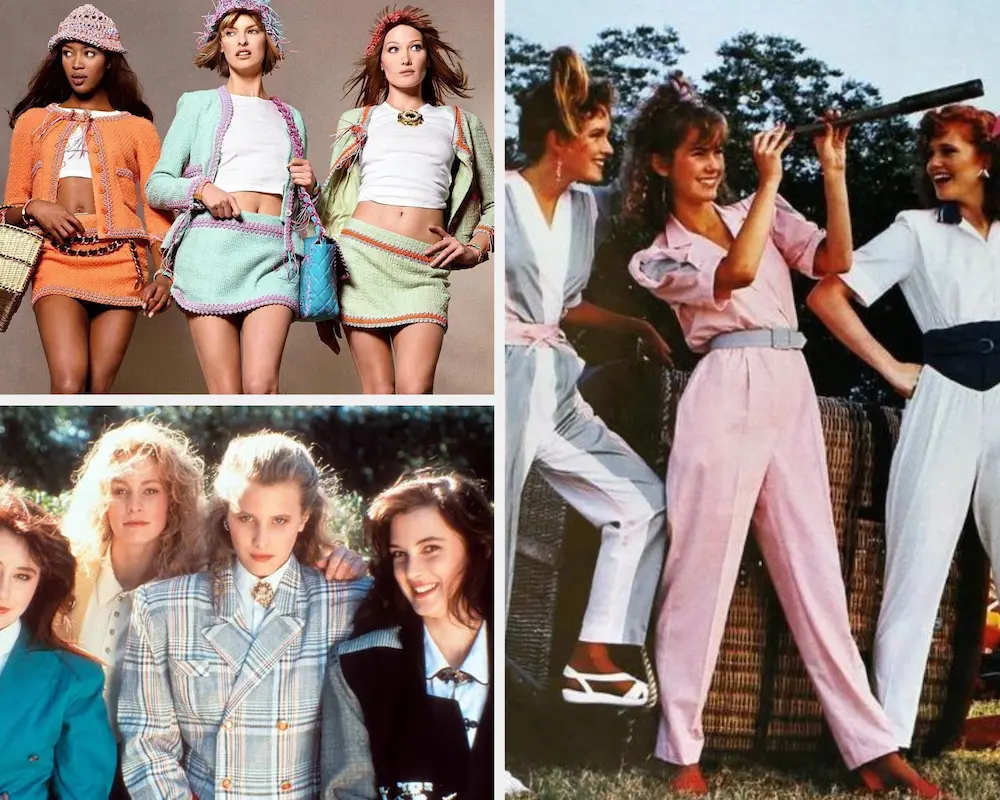
Some garments became symbols of the decade because they reflected wider cultural changes. Power dressing used structure, proportion, and polish to communicate professional confidence, particularly as women became more visible in corporate environments.
Power Suits
Women’s power suits combined tailored jackets with coordinated skirts or trousers, silk blouses, pumps, decorative buttons, and bold jewelry. The tailoring created a commanding professional image while allowing color, fabric, and accessories to remain expressive.
Men’s versions favored double-breasted jackets, wider lapels, pleated trousers, patterned ties, and polished accessories. Business clothing became a way to communicate ambition, authority, and economic success.
Shoulder Pads
Shoulder pads created a stronger upper-body line across jackets, dresses, coats, sweaters, and eveningwear. They ranged from subtle internal shaping to exaggerated construction that dramatically changed the wearer’s proportions.
Their popularity was not limited to professional clothing. Shoulder pads also appeared in casual dresses, knitwear, and television-inspired evening looks, making the silhouette one of the decade’s most recognizable features.
Executive Style
Executive style extended beyond the suit. Structured handbags, watches, belts, quality fabrics, coordinated jewelry, and carefully styled hair completed the image.
In the fashions of the 80s, professional clothing became a visible expression of ambition and status. The complete look suggested that every detail, from tailoring to accessories, had been intentionally chosen.
Denim, Leather, Leggings, and Everyday Streetwear
Away from corporate tailoring, everyday wardrobes drew from music, fitness, youth culture, and American sportswear. These pieces offered more casual ways to participate in the decade’s expressive approach to style.
Denim
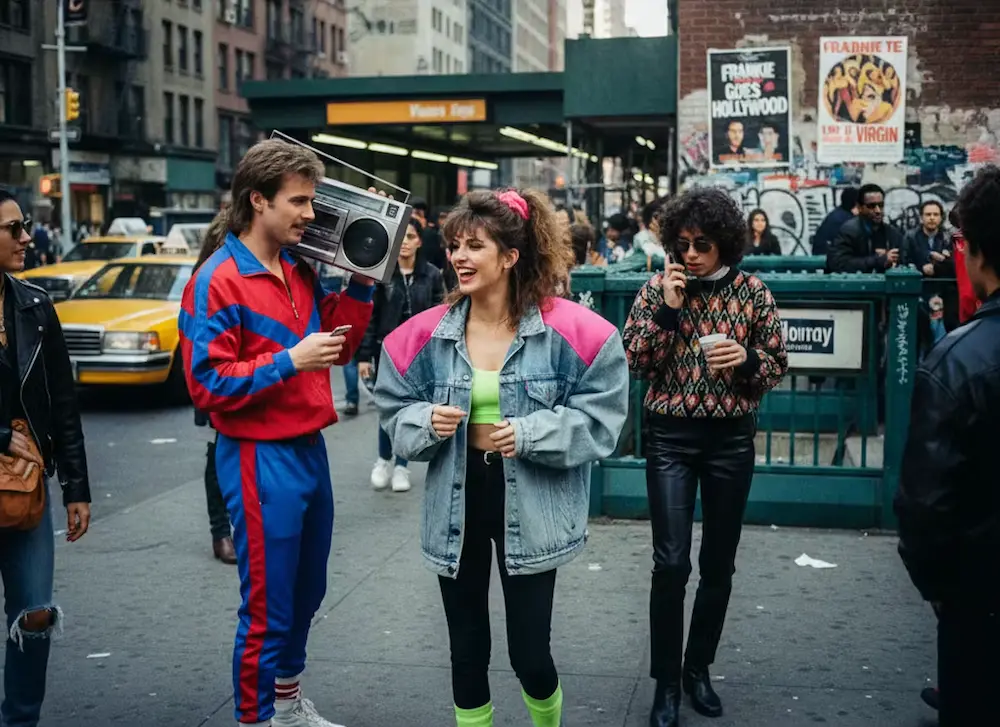
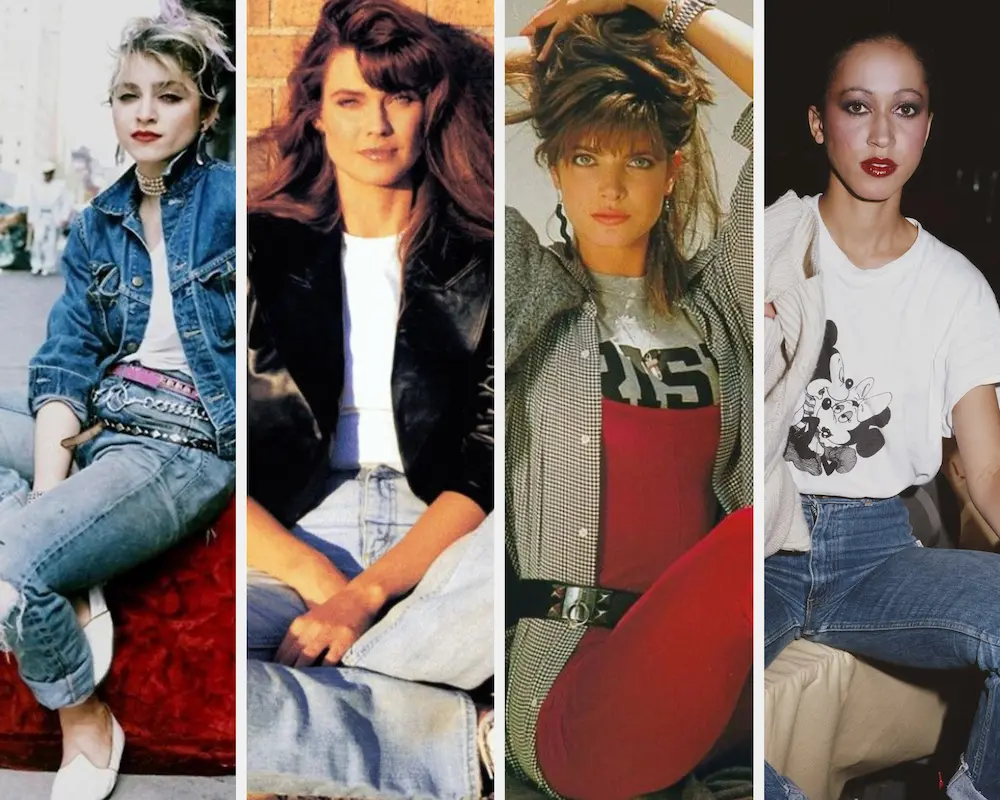
High-waisted jeans, acid-wash finishes, oversized jackets, denim skirts, and coordinated sets became wardrobe staples. Patches, distressing, rolled cuffs, and customized details gave denim a more individual character.
Denim could appear polished or rebellious, making it one of the most adaptable fashions of the 80s. It could be worn with pumps and a structured jacket or combined with sneakers, leather, and graphic shirts.
Leather
Leather jackets carried different meanings across punk, rock, nightlife, and urban style. Biker shapes suggested rebellion, while fitted leather coats, dresses, and skirts offered a more polished interpretation.
The material was often paired with metal hardware, boots, denim, graphic shirts, or dramatic accessories. Its versatility allowed leather to move easily between subculture and mainstream fashion.
Leggings
Leggings moved from dance studios and fitness classes into everyday outfits. Women wore them with bodysuits, oversized sweatshirts, long sweaters, belts, tunics, and leg warmers.
Their popularity helped establish the connection between comfort, movement, and style that still influences activewear. Fitness culture and exercise media played an important role in normalizing these pieces outside the gym.
Everyday Streetwear
Casual outfits combined bomber jackets, graphic T-shirts, tracksuits, sneakers, sweatshirts, denim, and branded sportswear. Streetwear allowed people to borrow from music and athletics without recreating a complete performance look.
This made the fashions of the 80s accessible beyond offices, designer stores, and nightclubs. Hip-hop communities were particularly influential in establishing tracksuits, pristine sneakers, hats, denim, and gold jewelry as powerful forms of identity.
Women’s and Men’s Fashion in the 1980s
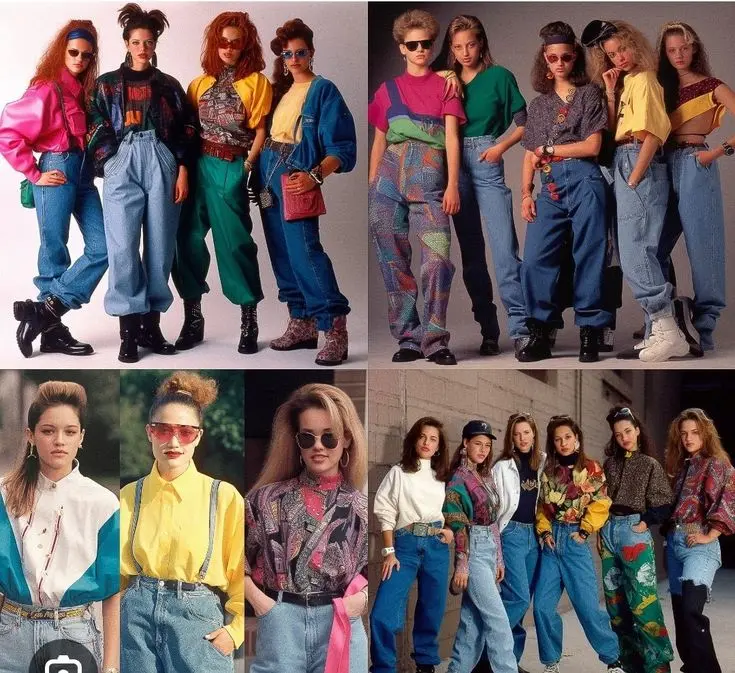
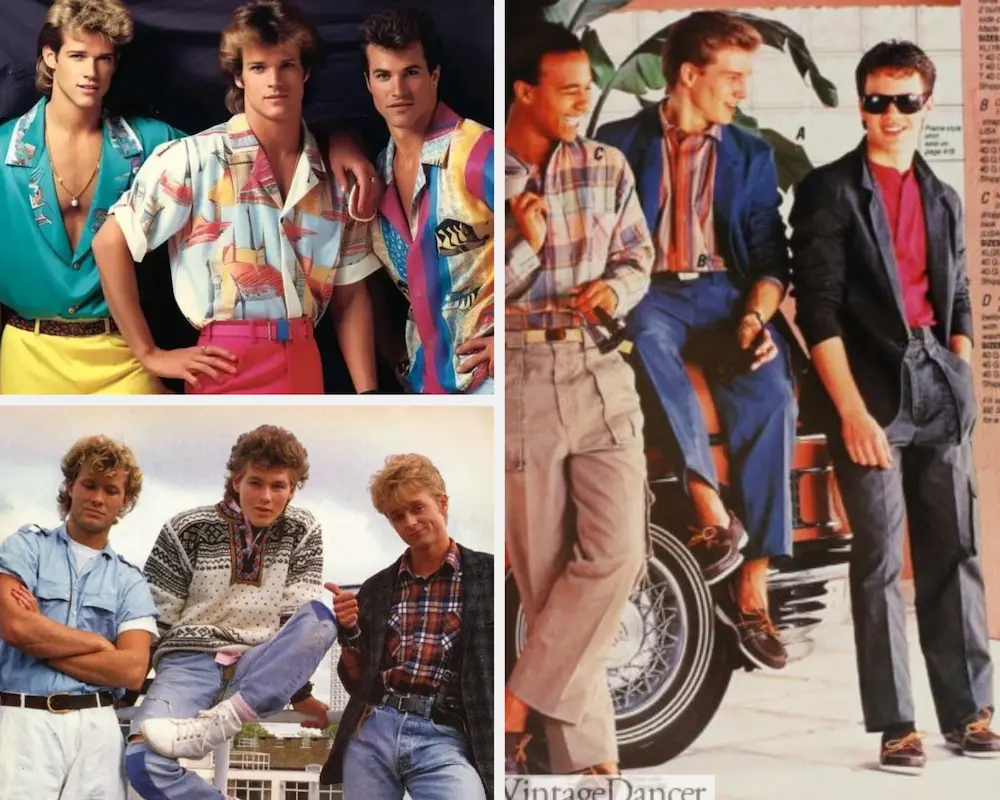
Women and men had distinct wardrobe staples, but both embraced stronger color, visible branding, exaggerated proportions, and greater experimentation.
Popular 1980s Fashion Trends for Women
The most recognizable women’s trends included:
- Power suits and structured blazers
- High-waisted jeans and tapered trousers
- Leggings, bodysuits, and leg warmers
- Miniskirts and body-conscious dresses
- Oversized sweaters and sweatshirts
- Pumps, ankle boots, and high-top sneakers
- Statement earrings, belts, and layered necklaces
These choices allowed women to move between executive authority, athletic energy, casual comfort, and evening glamour.
Popular 1980s Fashion Trends for Men
Common men’s trends included:
- Double-breasted suits and broad jackets
- Pleated trousers and patterned ties
- Bomber and leather jackets
- Tracksuits and branded sportswear
- Polo shirts and preppy knitwear
- High-top sneakers and loafers
- Pastel tailoring and graphic shirts
Men’s fashions of the 80s became more expressive as professional tailoring, music culture, preppy clothing, and sportswear increasingly overlapped.
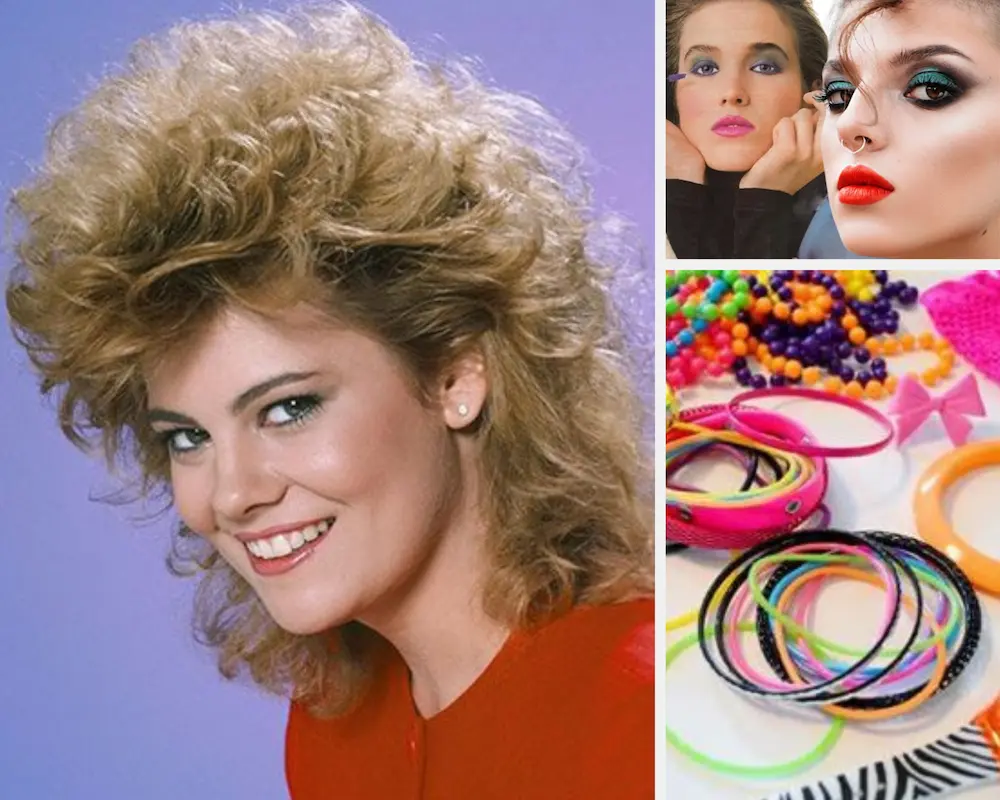
Accessories, Hair, and Beauty Trends of the 1980s
A complete look depended on details that were intentionally visible. Accessories, hairstyles, and makeup supported the outfit rather than disappearing into it.
Accessories
Oversized earrings, stacked bracelets, layered necklaces, wide belts, large sunglasses, structured handbags, and bold watches helped define the silhouette.
Footwear ranged from pointed pumps and ankle boots to loafers, athletic shoes, and colorful high-top sneakers. Oversized costume jewelry was especially important to the maximalist appearance of the decade.
Hair
Big hair relied on volume, curls, teasing, crimping, side ponytails, and heavily styled bangs. Hair was treated as another structural element of the outfit.
Voluminous hairstyles also balanced broad shoulders, oversized jackets, statement earrings, and dramatic makeup. The result was a complete visual composition rather than separate fashion and beauty choices.
Beauty
Bright blush, colorful eye shadow, dark eyeliner, glossy finishes, and vivid lipstick reflected the decade’s preference for impact.
Beauty completed the fashions of the 80s by repeating the confidence seen in clothing. Makeup could also identify a person with pop, punk, new wave, club, or glam culture.
The Fashion Subcultures That Defined the Decade
Subcultures developed recognizable dress codes around music, community, nightlife, and resistance. Their influence eventually moved from clubs and streets into magazines and designer collections.
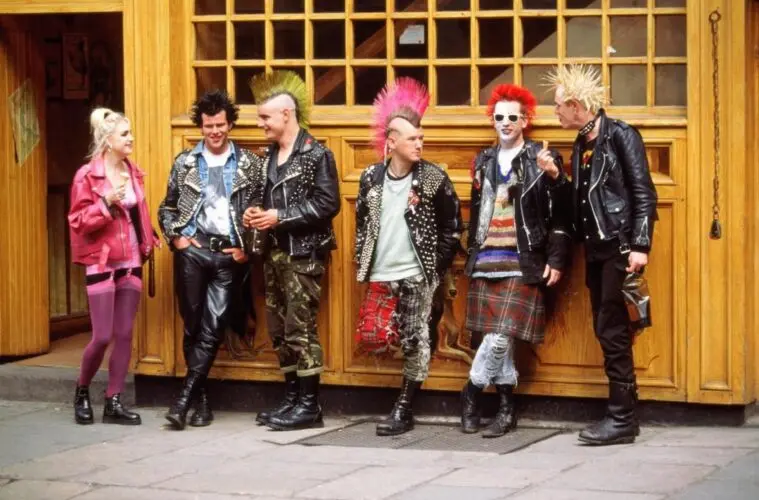
Punk
Punk favored distressed shirts, leather jackets, chains, safety pins, boots, bondage-inspired clothing, and intentionally damaged finishes.
The look rejected conventional polish and used clothing as confrontation. Punk’s construction techniques and visual codes later influenced high-fashion designers and runway collections.
New Wave
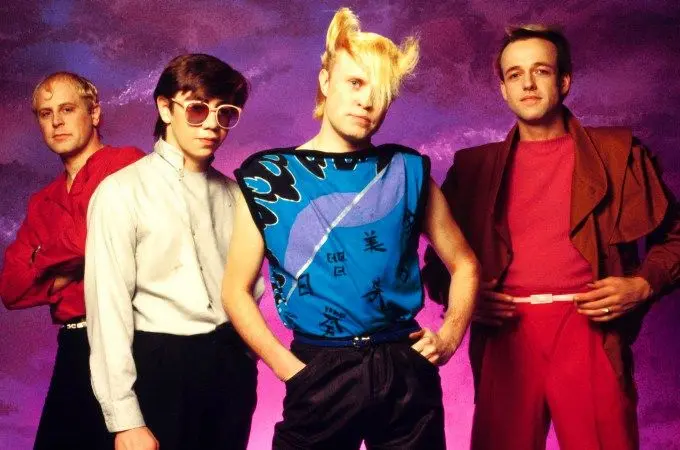
New wave mixed geometric shapes, sharp tailoring, synthetic fabrics, bold makeup, and gender-fluid styling. It felt futuristic, theatrical, and deliberately unconventional.
The related New Romantic movement also drew from historical clothing, dramatic shirts, decorative tailoring, and expressive club culture. These ideas moved into mainstream style through musicians and nightlife communities.
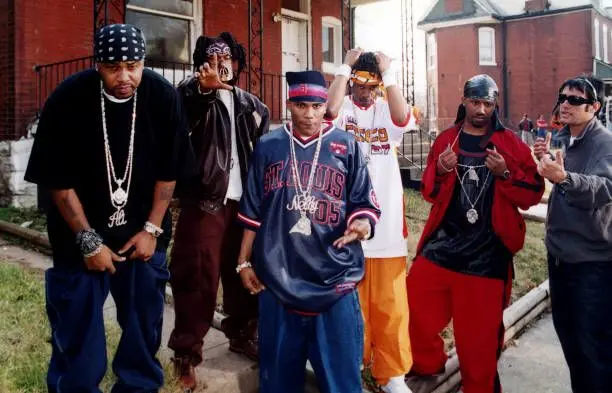
Hip-Hop
Hip-hop elevated tracksuits, sneakers, gold jewelry, branded sportswear, bucket hats, denim, and customized pieces. Clothing communicated identity, success, neighborhood influence, and cultural pride.
The relationship between streetwear and luxury also became increasingly important. Designers such as Dapper Dan reworked recognizable luxury imagery for artists and clients connected to New York’s hip-hop culture.
Glam Rock
Glam rock used metallic fabrics, fitted trousers, leather, boots, makeup, sequins, and dramatic hair. The aesthetic was designed for visibility under stage lighting and in music videos.
Its theatricality expanded ideas about masculinity, performance, and self-presentation. Fashion became part of the spectacle rather than simply clothing worn during it.
Fitness Fashion, Preppy Style, and Designer Luxury
These aesthetics represented different aspirations, from active lifestyles to traditional polish and visible status.
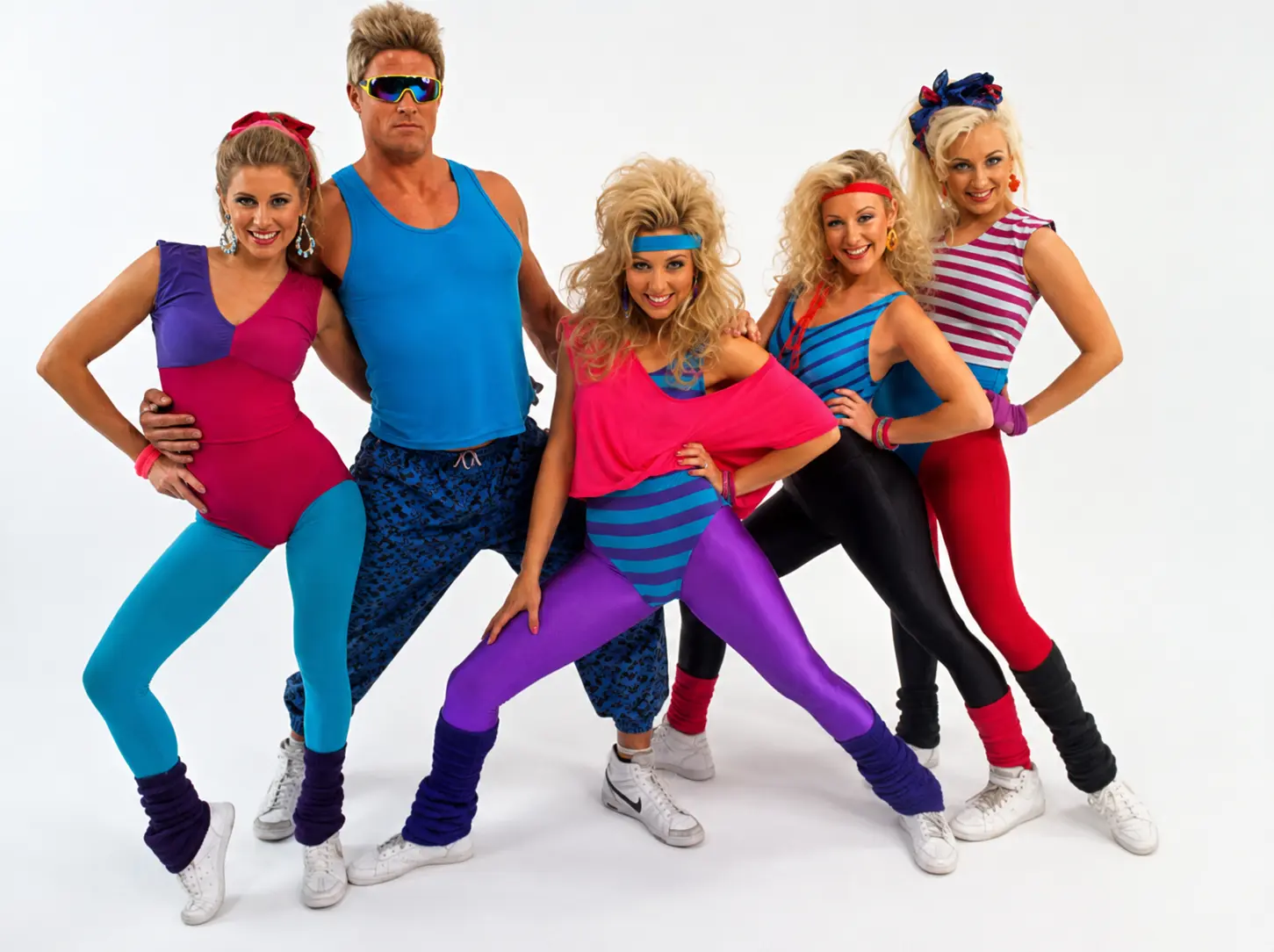
Fitness Fashion
Leotards, leggings, sweatbands, leg warmers, bodysuits, and colorful separates moved exercise clothing into everyday wardrobes.
Aerobics culture, exercise videos, and dance-inspired films made activewear increasingly familiar outside fitness environments.
Preppy Style
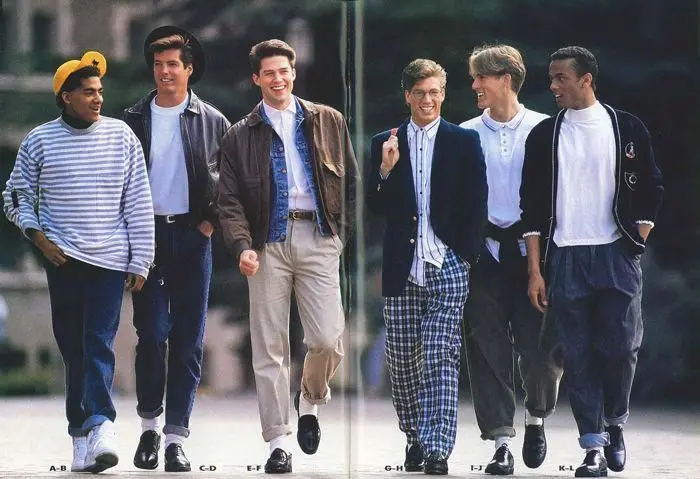
Polo shirts, cardigans, loafers, pleated skirts, khaki trousers, and tailored shorts offered a cleaner alternative to maximalist dressing.
The look drew from collegiate and traditional American sportswear, creating an image associated with leisure, education, and understated affluence.
Designer Luxury
Recognizable logos, premium handbags, tailored suits, jewelry, and coordinated accessories made status more visible within the fashions of the 80s.
Luxury branding also interacted with street culture as artists and designers combined high-fashion symbols with sportswear, custom tailoring, and personal identity.
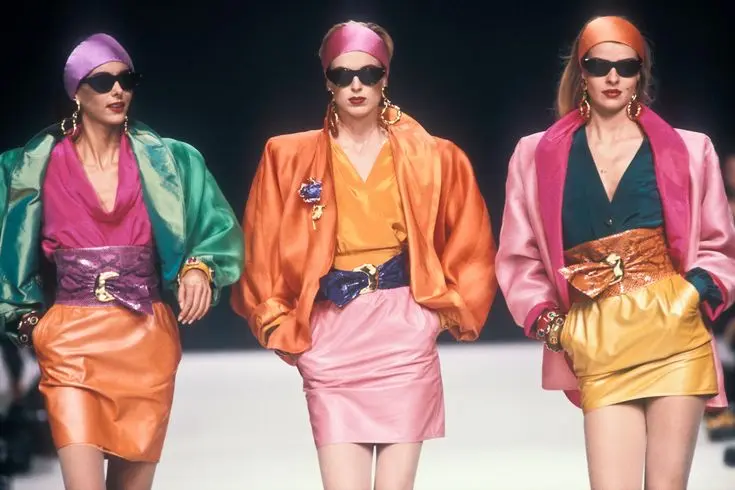
How the Fashions of the 80s Influence Style Today
Oversized blazers, sculpted shoulders, high-waisted denim, metallic finishes, leather jackets, and retro sneakers continue to return. Modern designers usually refine the proportions and combine one historical reference with contemporary basics.
The best approach is to choose a focal point rather than copy an entire look. A strong-shouldered blazer, bold earring, leather jacket, or vintage-style sneaker can introduce the decade’s confidence without appearing costume-like.
Why 1980s Fashion Continues to Inspire New Generations
The decade remains influential because it treated clothing as an active form of identity. The fashions of the 80s showed that style could communicate ambition, rebellion, humor, glamour, status, and belonging.
That creative freedom remains relevant on contemporary runways. Runway 7 brings emerging designers and global brands together, providing a platform where historical references, cultural perspectives, and new design ideas can connect with industry professionals and fashion audiences.