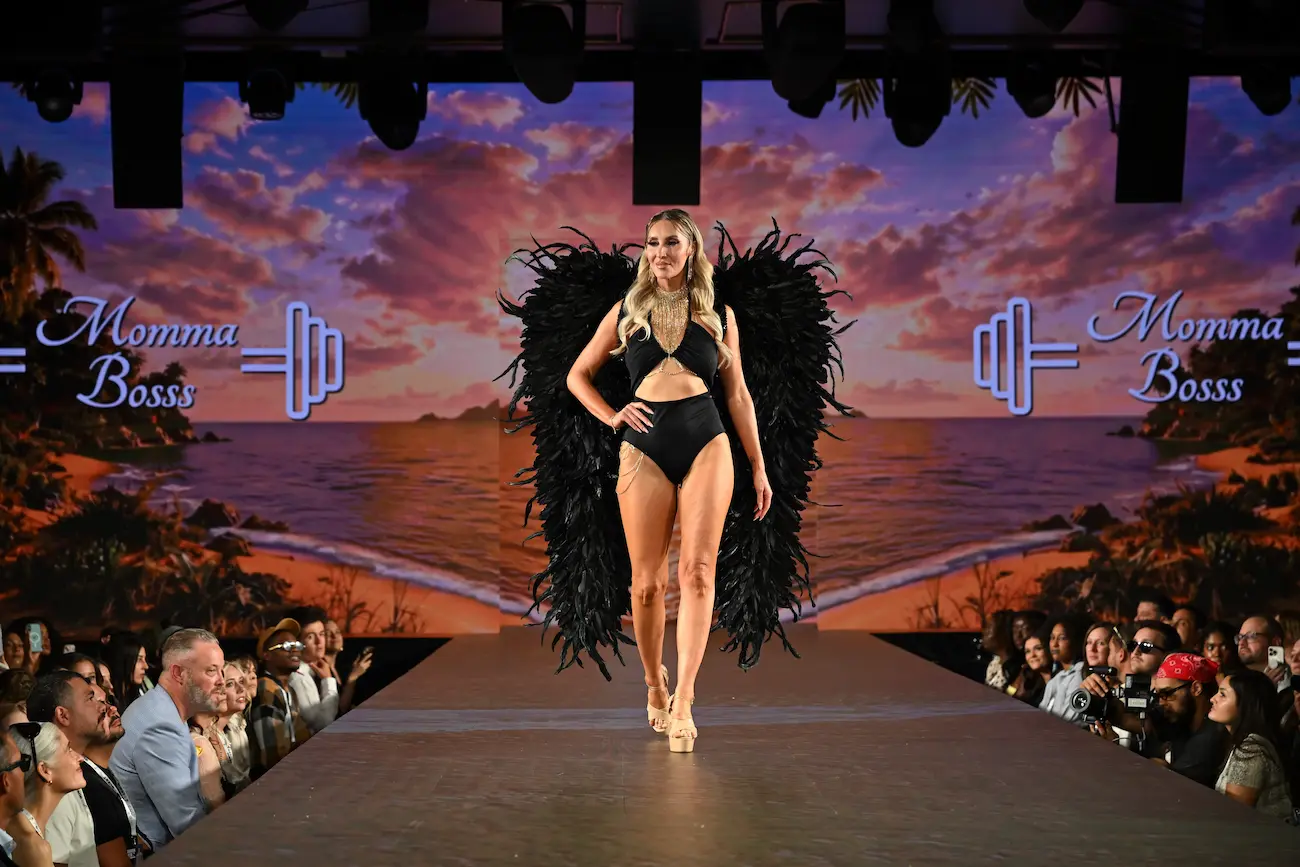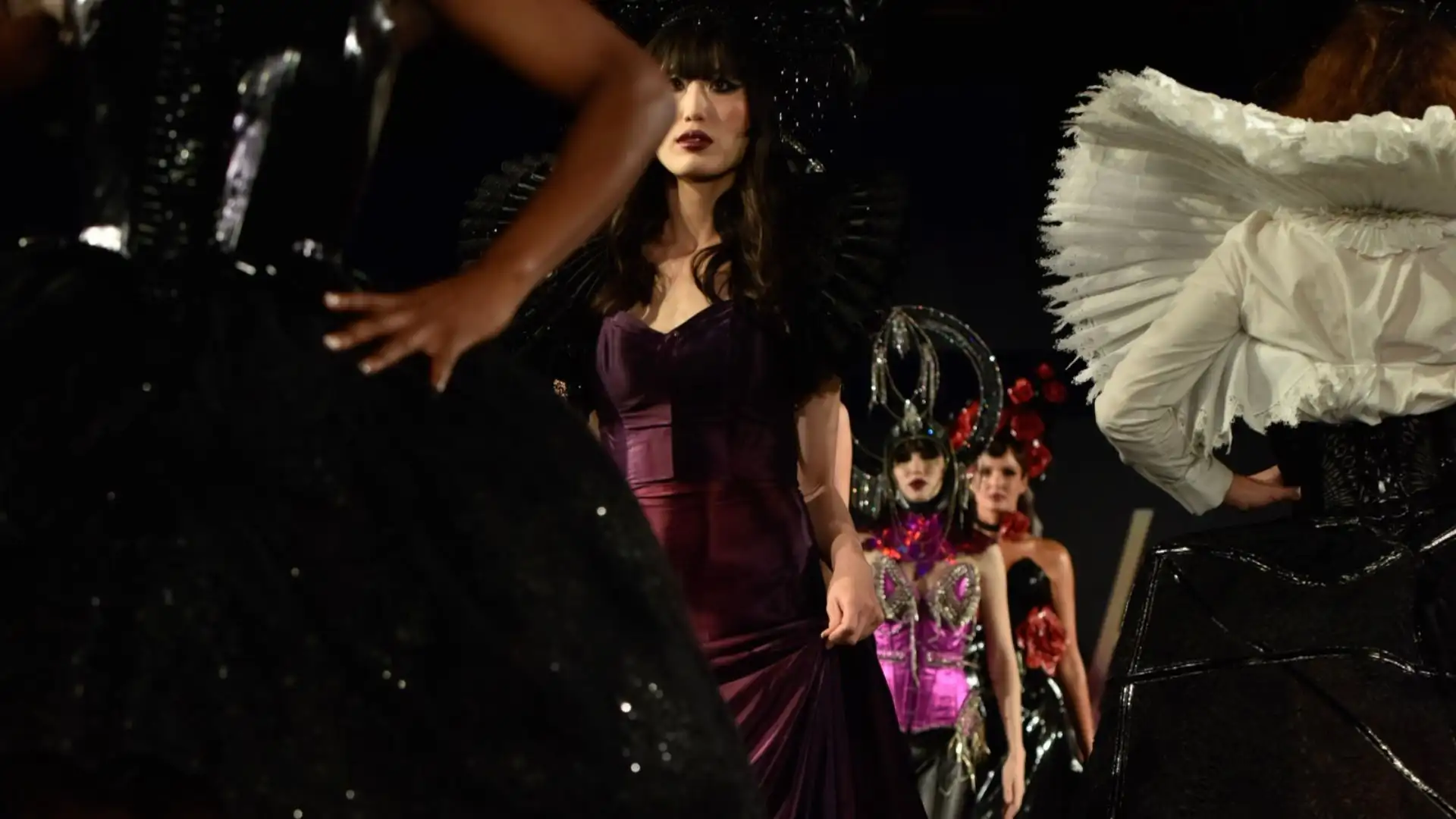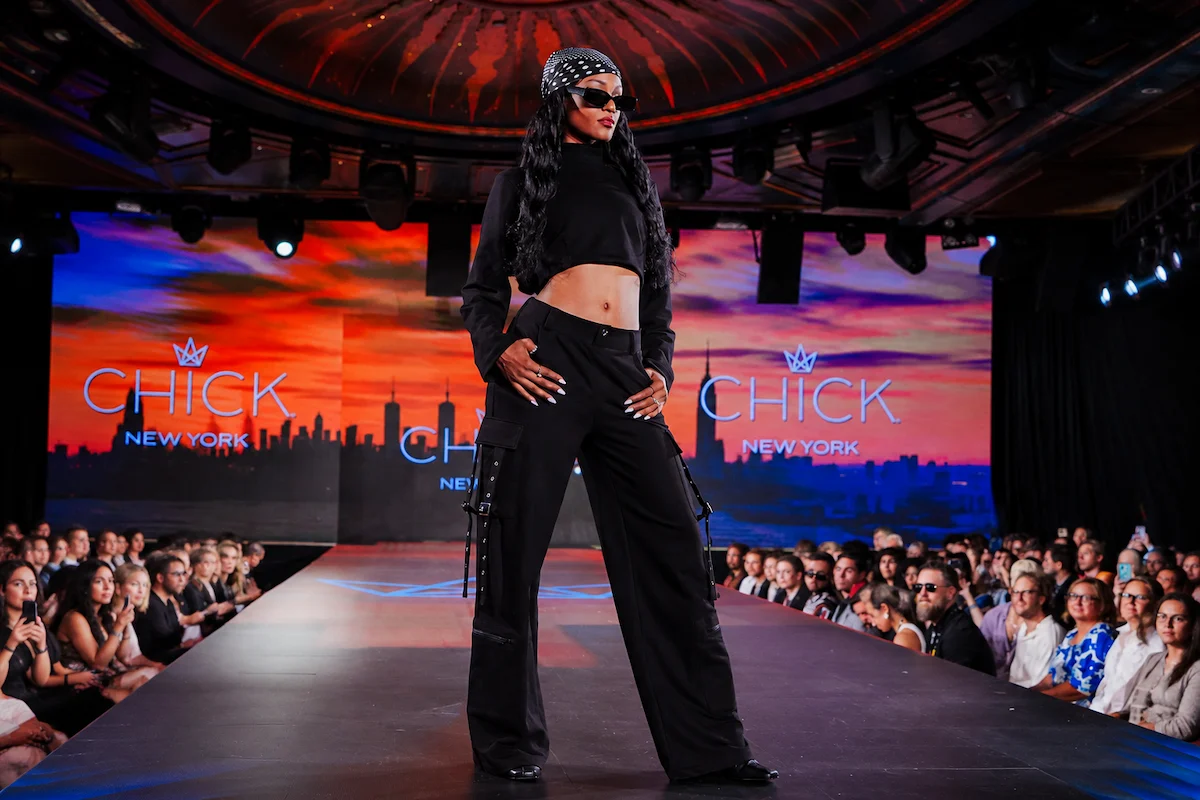
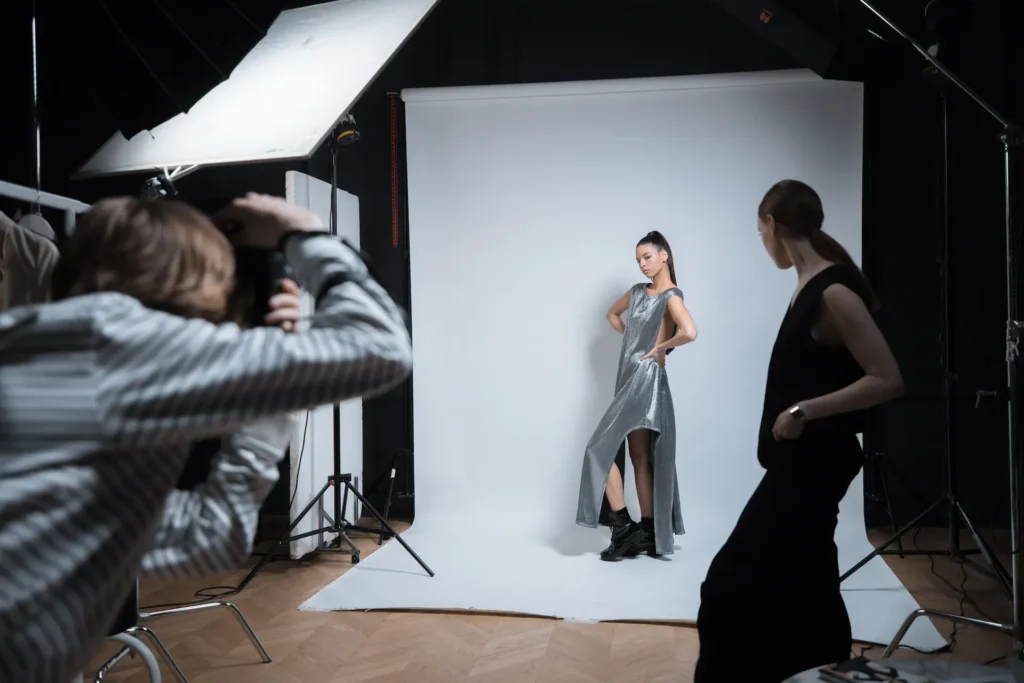
If you are searching for how to start being a model, you are probably looking for more than a simple list of steps. You may be wondering where to begin, what kind of photos you need, whether experience is required, or how to know if a casting is real. The modeling industry can look intimidating from the outside, especially when most people only see the final result: polished campaigns, runway shows, backstage moments, and professional editorials.
The truth is that every model starts somewhere. Some begin with a local photoshoot, others with an open casting, a small brand campaign, or a runway opportunity that helps them gain confidence. If you have ever searched “i want to be a model how do i start”, the first thing to understand is that becoming a model is not about waiting to be discovered. It is about preparing yourself, learning how the industry works, and taking the right first steps with professionalism.
Many beginners also search for “how to be become a model” because they want a clear path, even if they are not sure what the process looks like yet. This guide starts with the basics: what modeling means today, what beginners should prepare, and how to build a simple foundation before applying to castings, brands, or runway opportunities.
How to Start Being a Model With No Experience
Learning how to start being a model with no experience begins with letting go of the idea that you need a perfect portfolio, agency contract, or professional campaign before you can begin. Experience helps, of course, but many entry-level opportunities are designed to see your potential, your presence, and your ability to follow direction. At the beginning, casting teams usually want to understand your natural look, your measurements, your confidence, and how professionally you communicate.
This is also why understanding how to be become a model should start with preparation instead of pressure. A beginner does not need to look like someone else or copy what every model is doing online. The most important first step is to know what type of modeling may fit you, prepare clear photos, practice basic posing, and stay open to learning. Modeling is visual, but it is also collaborative. The people booking models want to work with someone reliable, respectful, and ready.
What Modeling Really Means Today
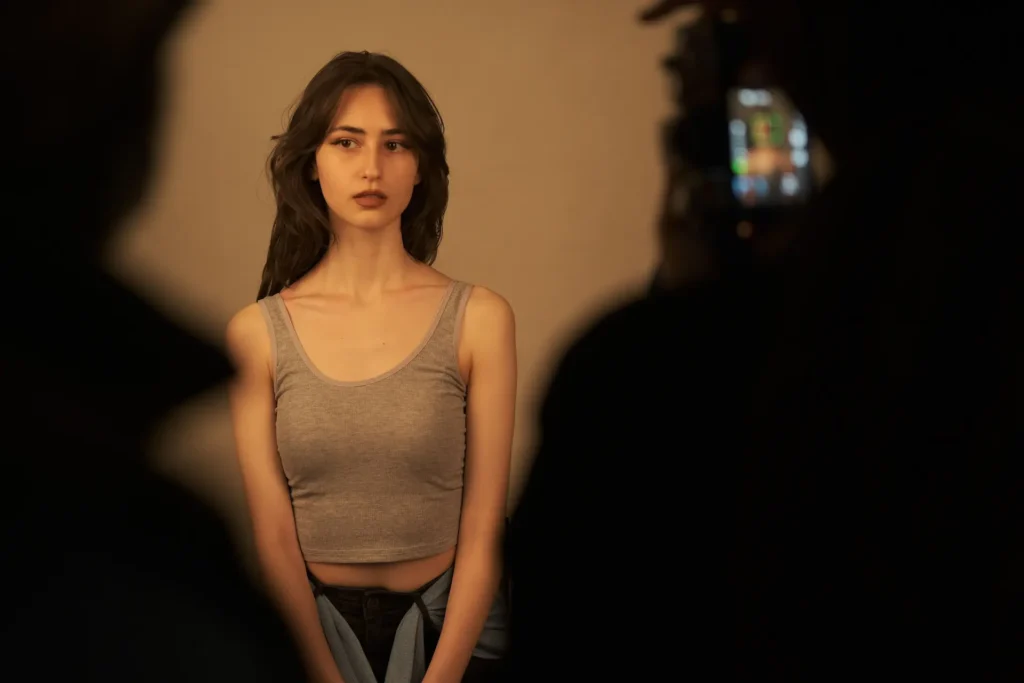
Modeling today is much broader than traditional runway or magazine work. A model can work in fashion shows, lookbooks, e-commerce campaigns, beauty shoots, lifestyle content, social media campaigns, editorials, brand launches, and live events. That means beginners have more than one way to enter the industry, depending on their look, personality, confidence, and interests.
When people ask how to start being a model, they often imagine only high-fashion runways. Runway can be part of the journey, but it is not the only path. Some models are stronger in front of a camera, while others feel more confident walking in a show or representing a brand’s lifestyle. Understanding the different types of modeling helps you apply to the right opportunities instead of trying to fit every category at once.
| Modeling Type | What It Usually Involves |
| Runway Modeling | Walking in fashion shows and presenting designer collections |
| Commercial Modeling | Campaigns, ads, lifestyle shoots, and everyday brand visuals |
| E-commerce Modeling | Modeling clothing, accessories, or products for online stores |
| Beauty Modeling | Close-up work for makeup, skincare, hair, or beauty campaigns |
| Editorial Modeling | Creative fashion stories, magazines, and concept-driven shoots |
| Lifestyle Modeling | Natural movement, personality, and relatable visual storytelling |
For beginners, this matters because the first goal is not to be perfect for every category. The first goal is to understand where your look, energy, and confidence may fit best. That makes your applications stronger and helps you build a more focused modeling path from the beginning.
First Things Beginners Should Know
If your goal is how to start being a model, focus first on the basics that help people evaluate you clearly. A beginner who is organized and easy to work with can stand out even without a long portfolio.
| Beginner Step | Why It Matters |
| Know your modeling type | Helps you choose the right opportunities |
| Take clean digitals | Shows your natural look clearly |
| Learn your measurements | Makes fittings and casting easier |
| Practice posing | Builds confidence in front of the camera |
| Practice walking | Helps if you want runway opportunities |
| Communicate professionally | Shows that you are reliable and serious |
This is where searches like “how to be become a model” become more practical. The early stage is not about pretending to have experience. It is about showing potential clearly and making it easy for a casting team, brand, or creative director to understand how you could fit an opportunity.
I Want to Be a Model, How Do I Start?
If you have ever typed “i want to be a model how do i start”, the best answer is to begin with preparation, not pressure. Many new models feel they need to be signed by an agency immediately or have professional campaign photos before applying anywhere. In reality, your first step can be much simpler.
A practical answer to how to start being a model is to prepare three things: clear photos, accurate information, and a realistic idea of what kind of modeling you want to try. These details help you apply to opportunities with more confidence. If someone is researching how to be become a model, this is the point where curiosity turns into action.
Watching live runway shows can also help beginners understand how models move, pose, walk, and present a designer’s collection in front of an audience. Attending events through official New York Fashion Week tickets can give aspiring models a closer look at the pace, energy, and professionalism behind fashion week, making it easier to understand what runway work actually looks like.
Beginner Modeling Roadmap
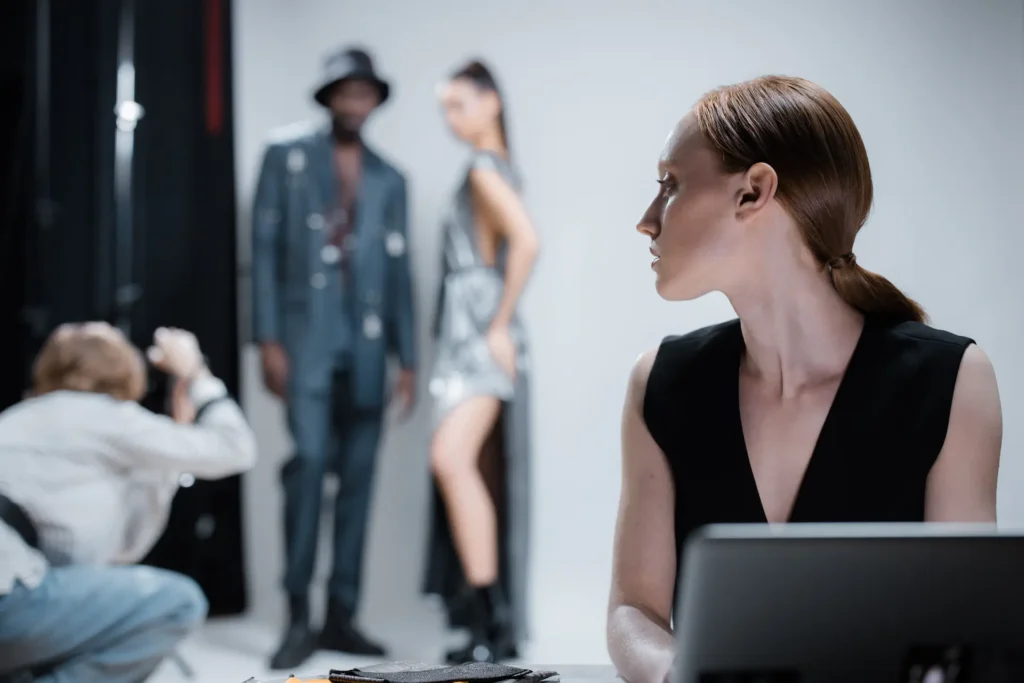
A simple roadmap can make the process feel less overwhelming. Think of this as your first structure for how to start being a model, especially if you are starting without industry contacts.
| Step | What to Do |
| Step 1 | Research different types of modeling |
| Step 2 | Take natural photos in good lighting |
| Step 3 | Write down accurate measurements |
| Step 4 | Practice posing and runway walking |
| Step 5 | Look for official casting calls |
| Step 6 | Apply through trusted forms or contacts |
| Step 7 | Keep improving your materials over time |
This process also helps answer how to be become a model in a realistic way. Modeling is not only about being discovered. It is about being prepared when the right opportunity appears.
Common Mistakes New Models Should Avoid
Many beginners make mistakes because they rush. They send photos with heavy filters, use unclear images, apply without reading requirements, or trust people who promise guaranteed success too quickly. Real opportunities usually have clear instructions, professional communication, and a process that makes sense.
It is also important to protect yourself. Research photographers, agencies, events, and casting calls before sharing personal information or attending a shoot. A serious modeling path should feel professional, not confusing or pressured.
How to Build Your First Modeling Portfolio
Your first portfolio does not need to look like a magazine spread. At the beginning, it should help people understand your face, body proportions, posture, movement, and natural presence. Simple photos are often more useful than overly styled images because they show who you are without distractions.
A beginner portfolio can grow with time. If you are learning how to start being a model, think of your first portfolio as a starting point, not a final version. As you gain experience with photographers, brands, or runway teams, you can update your images and show more range.
What Photos Should a Beginner Model Have?
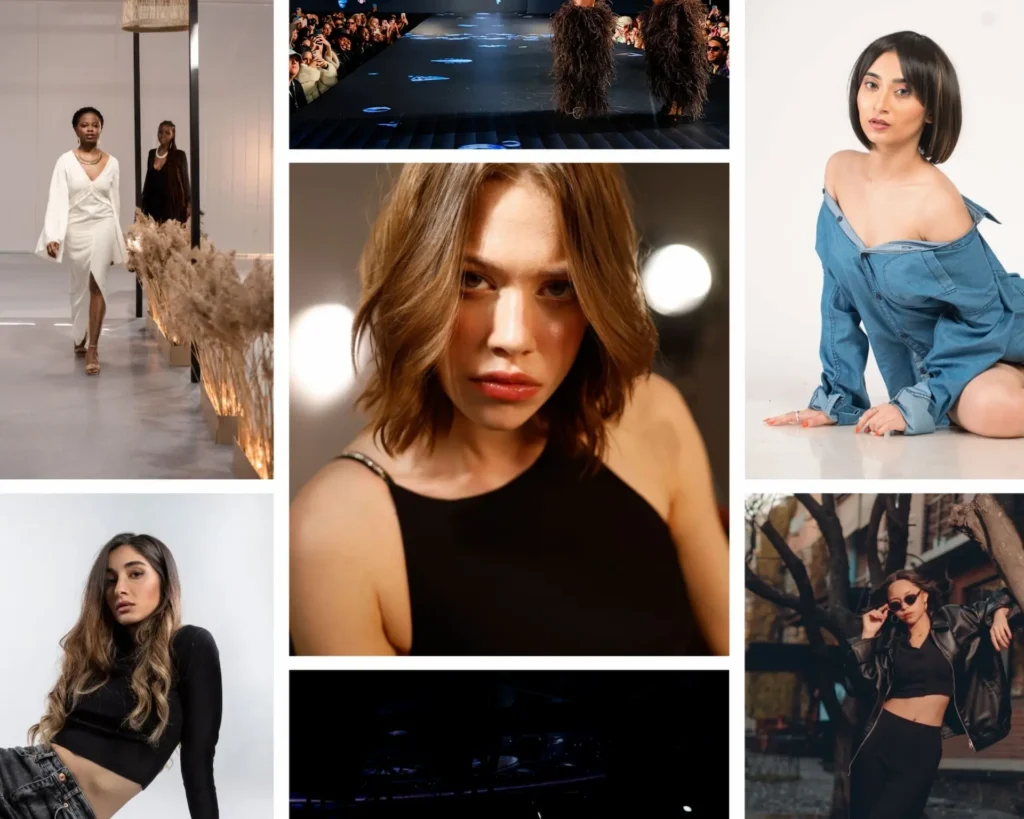
A beginner model should usually have a clear headshot, a full-body photo, a side profile, and a simple movement or walking shot. These photos are often called digitals or model digitals. They are simple, natural images used to show your real look without heavy styling, filters, or editing.
Good digitals do not need to feel like a professional campaign. In fact, casting teams often prefer clean photos because they make it easier to see your face, body proportions, posture, and confidence. Use natural light, a clean background, fitted clothing, and minimal makeup. The goal is not to look overly produced; the goal is to present yourself clearly and honestly.
If you are just learning how to start being a model, your first photos should help people understand who you are right now. As you gain more experience, you can add stronger fashion images, brand shoots, runway photos, or editorial-style work to your portfolio.
Simple Portfolio Checklist
Use this checklist before applying to your first casting, brand opportunity, or model submission.
| Photo Type | Recommended Style |
| Headshot | Natural face, clean background |
| Full-body photo | Fitted clothing, neutral pose |
| Side profile | Clear posture and body line |
| Walking shot | Useful for runway opportunities |
| Lifestyle photo | Shows personality and versatility |
A strong beginner portfolio should feel honest and easy to review. If you eventually want to learn how to be a model for brands or apply to runway opportunities, these first images will help you present yourself with clarity and confidence.
How to Improve Your Portfolio Before Applying to Brands
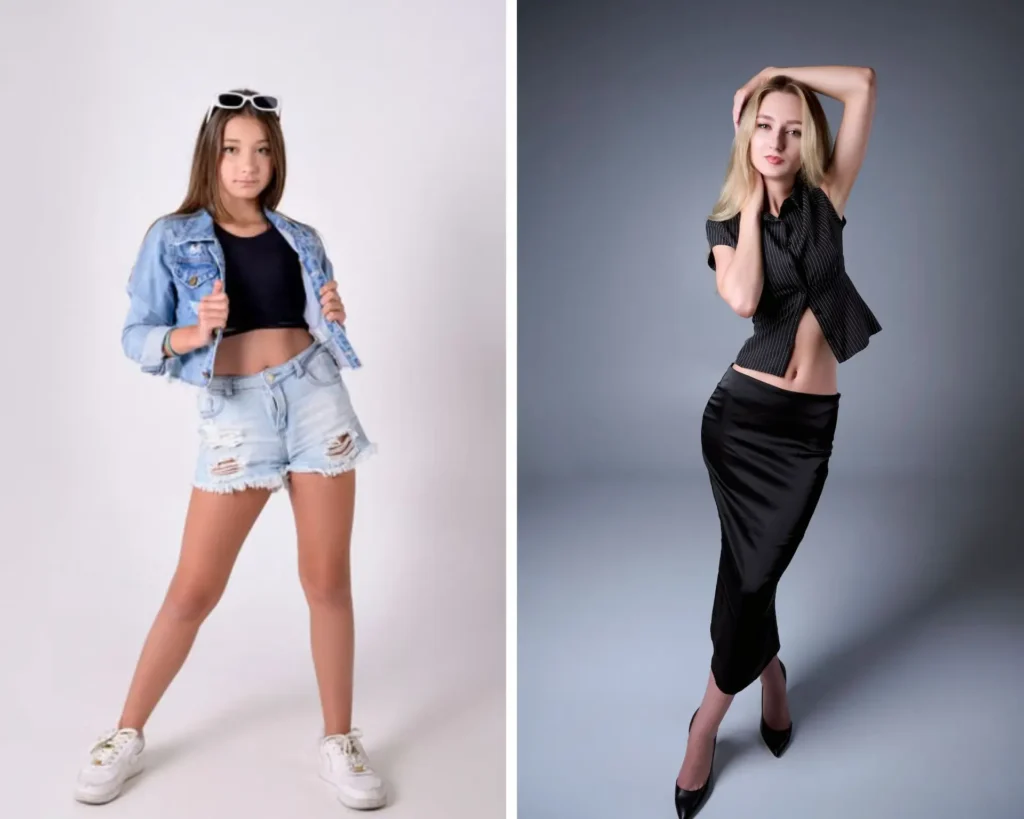
Once you understand how to start being a model, the next step is improving the way you present yourself. Your first photos may be simple, but over time your portfolio should begin to show more range, confidence, and personality. A good portfolio does not need dozens of images. It needs the right images.
Many beginners search “how to be become a model” because they want to know what separates a casual interest from a serious first step. One answer is presentation. Your portfolio should make it easy for a brand, casting team, photographer, or designer to understand your look and imagine how you could fit into a campaign, show, or creative project.
Quality Matters More Than Quantity
A beginner model does not need twenty similar photos in the same outfit or location. A stronger approach is to choose a small group of clear images that show your face, body, posture, movement, and personality. This makes your submission easier to review and more professional.
If you are learning how to start being a model, think of your portfolio as a visual introduction. It should not try too hard to impress. It should show who you are, how you photograph, and whether you can present yourself clearly.
Portfolio Mistakes to Fix Early
Small mistakes can make a portfolio look less professional, even when the model has potential. Before sending your photos anywhere, review them carefully and remove anything that feels unclear, repetitive, or overly edited.
| Portfolio Mistake | Better Approach |
| Too many similar photos | Choose only your strongest images |
| Heavy filters or editing | Use clean, natural photos |
| Distracting backgrounds | Keep the focus on you |
| No full-body photo | Include clear proportions and posture |
| Outdated measurements | Keep your information current |
| No variety | Show face, profile, movement, and personality |
This is a practical part of how to start being a model because your photos often create the first impression. You do not need perfection, but you do need clarity.
How to Be a Model for Brands
Understanding how to be a model for brands is different from simply knowing how to pose. Brands are not only looking for someone who looks good in a photo. They are looking for someone who can represent a product, a mood, a lifestyle, or a specific audience. Your role as a model is to help the brand communicate visually.
This is where how to start being a model becomes more strategic. If you want to work with fashion brands, beauty companies, lifestyle labels, or designers, you need to understand what kind of image they are trying to create. Some campaigns need elegance and control. Others need movement, personality, approachability, or strong camera presence.
What Brands Look for in Beginner Models
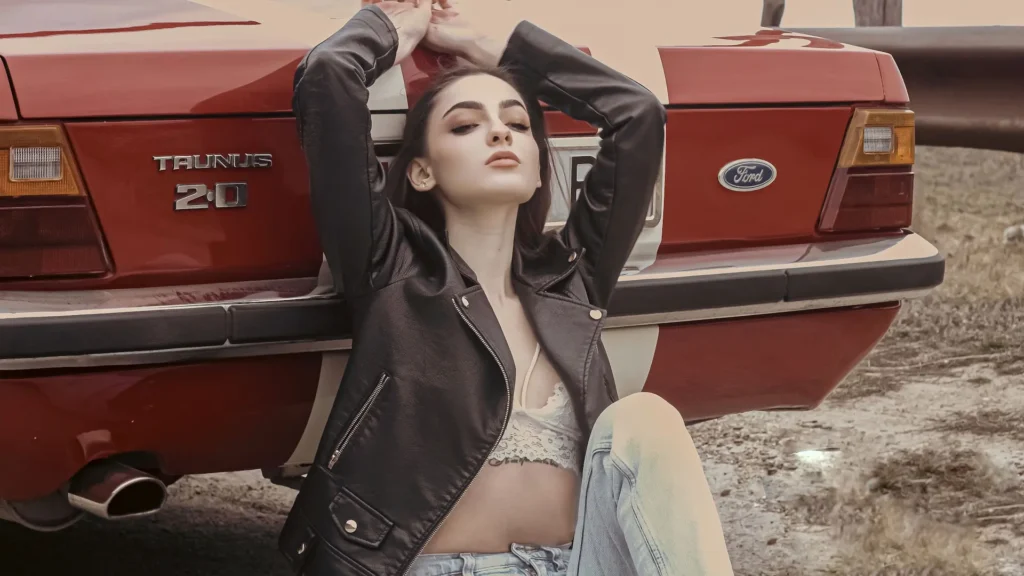
Brands do not always choose the most experienced model. Sometimes they choose the person who feels right for the campaign. A beginner model can stand out by being clear, reliable, expressive, and easy to direct.
Different types of brands may look for different strengths:
| Brand Opportunity | What They Usually Look For |
| Fashion campaigns | Strong posture, style, and confidence |
| E-commerce shoots | Clean presentation and clear body lines |
| Beauty campaigns | Facial expression, skin presentation, and close-up confidence |
| Lifestyle content | Natural movement, personality, and relatability |
| Social media campaigns | Comfort on camera and authentic energy |
| Designer lookbooks | Ability to highlight clothing, shape, and details |
For beginners asking how to be become a model, this is important: you do not need to fit every category. You need to understand where your look and energy feel strongest, then build your portfolio around those opportunities.
How to Present Yourself to Brands
When applying to brand opportunities, keep your presentation simple and professional. A brand should be able to understand who you are, where you are based, what your look is, and how to contact you without needing to ask for missing information.
| What to Prepare | Why It Helps |
| Short model bio | Introduces who you are quickly |
| Clean portfolio | Shows your look clearly |
| Accurate measurements | Helps with styling and samples |
| Availability | Makes booking easier |
| Location | Helps brands plan shoots or events |
| Social media link | Shows personality and presence |
A short model bio can include your name, location, modeling interests, experience level, availability, and contact information. Keep it direct. Brands do not need a long personal story at the beginning; they need clear information that helps them decide if you are a good fit for the project.
Safety and Professionalism Matter From the Beginning
As you continue learning how to start being a model, safety should always be part of the conversation. Beginners can feel excited when someone offers a shoot, casting, or collaboration, but not every opportunity is worth accepting. A serious opportunity should have clear details, respectful communication, and a professional process.
Before attending a shoot or casting, research the photographer, agency, event, or brand. Look for previous work, official websites, social media history, tagged credits, and clear contact information. If something feels confusing, rushed, or uncomfortable, take time to verify it. Professional modeling should never require you to ignore your instincts.
How to Check if an Opportunity Looks Legitimate
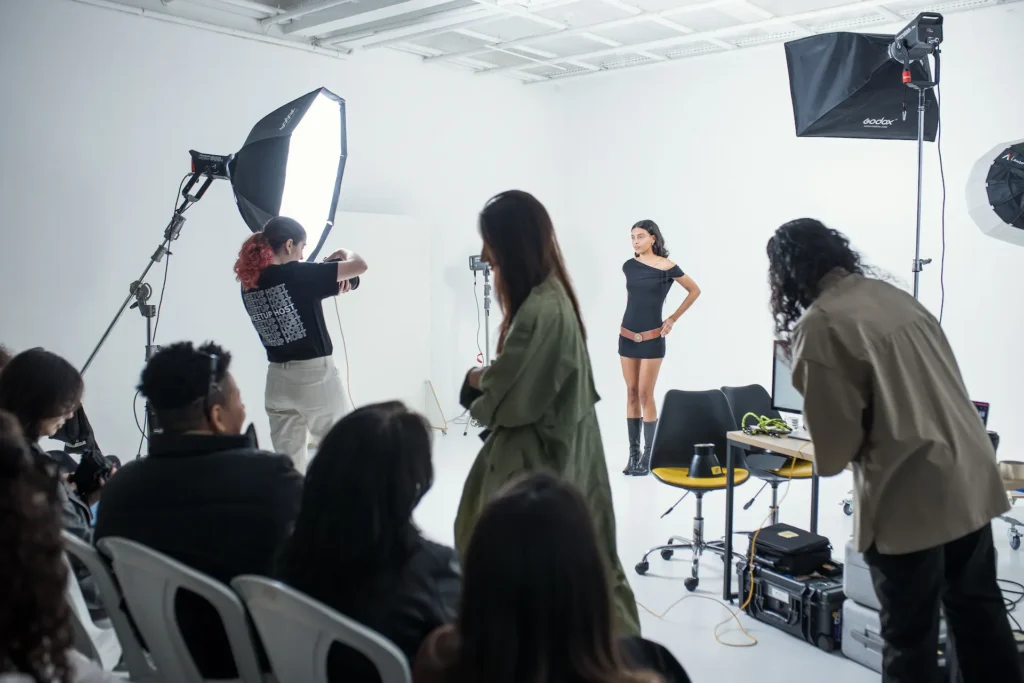
A legitimate modeling opportunity usually tells you who is organizing it, what the project is for, where it will take place, what is required, and how your images or participation may be used. Clear communication is usually a good sign. Vague promises, pressure, or missing details are warning signs.
Use this checklist before sending personal information or attending a casting:
| Red Flag | Why It Matters |
| No official website or clear contact | Makes the opportunity harder to verify |
| Vague project details | A real casting should explain the purpose |
| Pressure to respond immediately | Professional teams usually give clear timelines |
| Guaranteed success promises | No serious casting can guarantee a career |
| Unclear location or meeting details | Safety and planning should always be clear |
| Requests that feel uncomfortable | Your boundaries should always be respected |
If someone is trying to understand how to be become a model, learning how to evaluate opportunities is just as important as learning how to pose. Protecting your time, image, and safety is part of building a serious career.
Professional Habits That Help New Models Stand Out
Professionalism is not complicated, but it matters. Read casting instructions carefully. Send exactly what is requested. Arrive on time. Be polite to everyone on set. Credit creative teams when posting approved images. Keep your measurements updated and respond to messages clearly.
For example, if a casting asks for digitals, measurements, and availability, send those items in one organized message instead of sending incomplete details across multiple DMs. If you are booked for a shoot or fitting, confirm the time, location, wardrobe notes, and any preparation requirements in advance.
These habits support how to start being a model because the industry remembers reliability. A beginner who is respectful and prepared can be invited back, recommended to other teams, or considered for future opportunities.
How to Find Your First Modeling Opportunities
Finding your first modeling opportunities takes patience, but it should also be strategic. Not every casting, photoshoot, or collaboration will be the right fit for you, especially when you are still learning how to start being a model. The goal is not to apply everywhere. The goal is to find opportunities that are clear, safe, relevant, and aligned with the type of modeling you want to explore.
Beginners can start in different places: official casting pages, agency open calls, fashion event applications, designer model calls, brand casting posts, photographer test shoots, or creative collaborations with fashion students and local teams. Casting calls for models can also be a strong starting point for those interested in runway opportunities, since they give beginners and experienced models a clear way to submit their information, photos, measurements, and availability for review. Each opportunity can teach you something different, from posing and communication to runway presence and working with direction.
Open Castings, Agencies, and Creative Collaborations
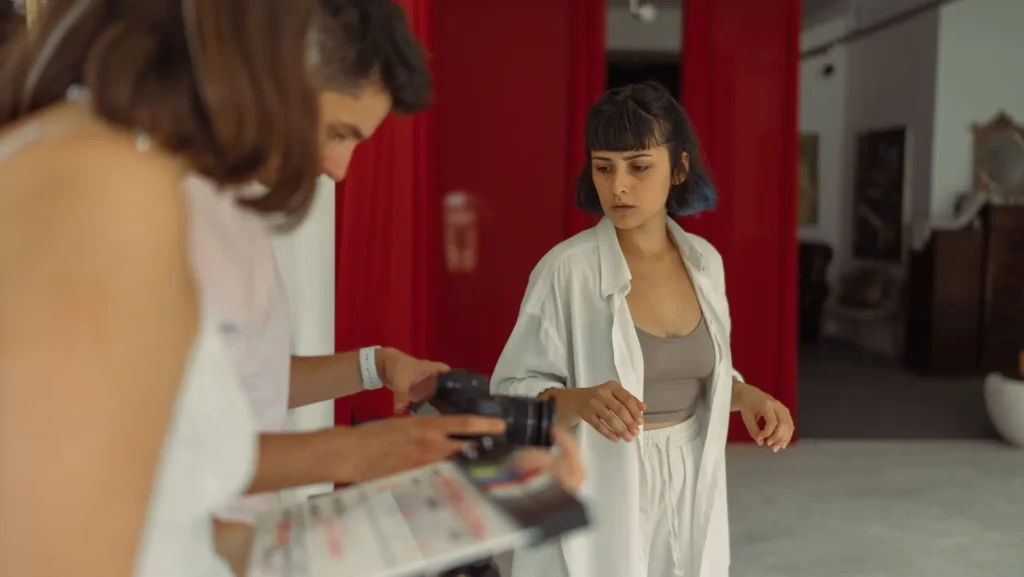
Open castings are one of the most common ways for new faces to be seen. They may be hosted by agencies, fashion events, designers, or production teams looking for models for a specific show, campaign, or project. If you are applying to an open casting, always read the instructions carefully and send exactly what is requested.
Agencies can also be part of your journey, but you do not always need an agency to take your first steps. Some beginner models gain early experience through small brand shoots, designer lookbooks, test shoots, fashion student projects, or runway opportunities connected to local fashion events. These experiences can help you understand your angles, improve your confidence, and learn how professional sets work.
For anyone searching how to be become a model, it is important to understand the difference between opportunity types:
| Opportunity Type | What It Usually Means |
| Agency open call | A chance to be reviewed by a modeling agency |
| Brand casting | A model search for a campaign, lookbook, or content shoot |
| Test shoot | A creative shoot to build portfolio images |
| Designer casting | A casting for a collection, fitting, presentation, or runway show |
| Fashion event application | A submission for runway or fashion week-related opportunities |
| Creative collaboration | A project with photographers, stylists, makeup artists, or fashion students |
Not every opportunity has to be big to be valuable. A test shoot can help you practice posing. A small brand shoot can teach you how to take direction. A runway casting can help you understand posture, timing, and stage presence.
A Simple Opportunity Checklist
Before applying, take a moment to review whether the opportunity is worth your time. This is especially important when you are learning how to start being a model, because early experiences can shape your confidence and your understanding of the industry.
| Question | Why It Matters |
| Is the organizer clear? | Helps you verify legitimacy |
| Are the requirements specific? | Shows the casting is organized |
| Do they ask for clean photos? | Helps them review you properly |
| Is the location or process explained? | Helps with safety and planning |
| Does it match your goals? | Keeps your path focused |
| Can you prepare on time? | Helps you show up professionally |
A smart approach to how to start being a model is to apply carefully, not desperately. Look for opportunities that respect your time, explain their process, and give you a clear way to present yourself. Over time, the right experiences can help you build a stronger portfolio, better communication habits, and more confidence in front of casting teams, brands, and runway professionals.
How to Be a Model in New York Fashion Week
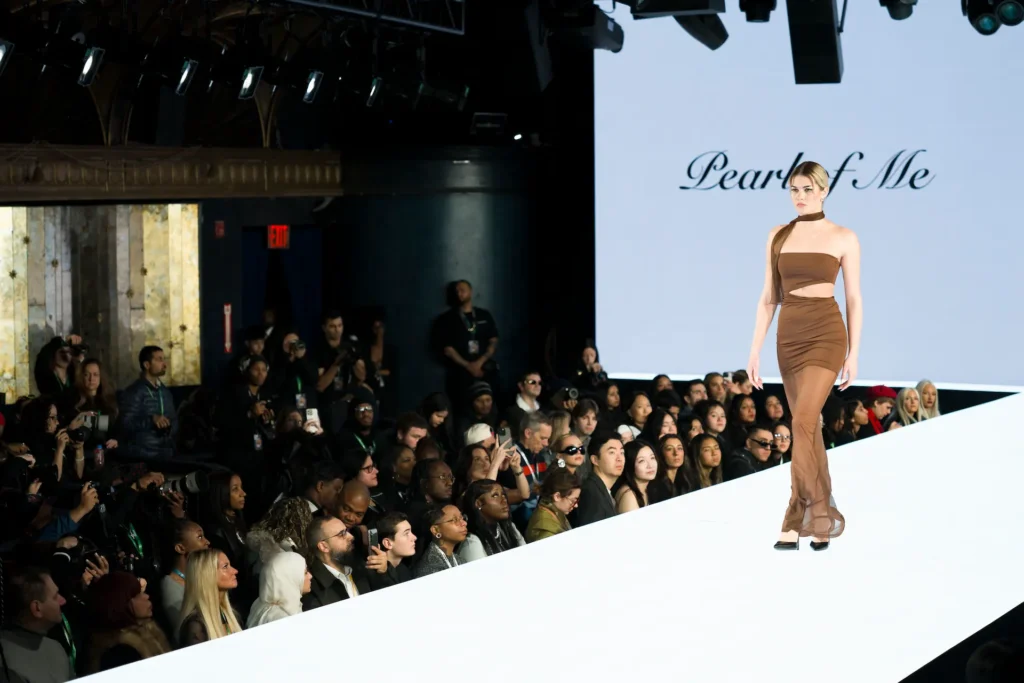
For many beginners, learning how to start being a model eventually leads to a bigger dream: walking in a fashion show. New York Fashion Week is one of the most recognized fashion events in the world, and runway opportunities connected to NYFW can be an exciting goal for models who want to build experience, confidence, and visibility.
Understanding how to be a model in New York Fashion Week starts with preparation. Runway modeling requires more than wanting to walk. You need a strong posture, a confident walk, clean digitals, accurate measurements, professional communication, and the ability to follow casting instructions. If you are searching “how to be become a model”, this is where the process becomes more focused: you prepare your materials, practice your walk, and apply through official opportunities.
Runway Modeling vs. Brand Modeling
Runway modeling and brand modeling are connected, but they are not the same. Brand modeling often focuses on product, mood, lifestyle, or campaign visuals. Runway modeling focuses on movement, presence, timing, posture, and the ability to bring a designer’s collection to life in front of an audience.
If your goal is how to start being a model for runway, practice walking with control instead of rushing. Work on your shoulders, pace, facial expression, turns, and confidence. A good runway walk should feel natural, but it also needs discipline.
What to Prepare Before Applying to Fashion Week Castings
Before applying to fashion week castings, make sure your materials are updated and easy to review. Casting teams usually need clear information, not complicated presentations.
| What to Prepare | Why It Matters |
| Updated digitals | Shows your natural look clearly |
| Accurate measurements | Helps with designer fittings |
| Runway walk video | Shows movement, confidence, and posture |
| Simple black outfit | Keeps attention on your walk and silhouette |
| Contact information | Makes communication easier |
| Availability | Helps teams schedule fittings, rehearsals, and shows |
This step is an important part of how to start being a model because runway opportunities move quickly. The more prepared you are, the easier it is for a casting team to evaluate you.
Casting Calls for Models at New York Fashion Week
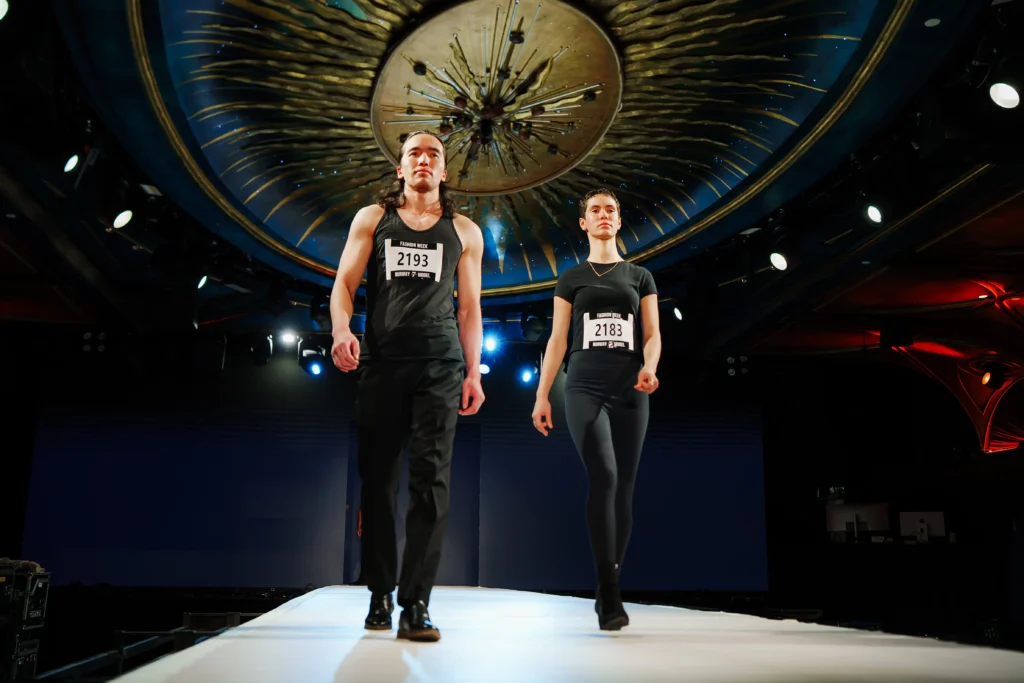
One of the most direct ways to move from preparation to opportunity is through official casting calls for models. These castings allow new and experienced models to be considered for runway shows, designer presentations, and fashion week-related opportunities. For a beginner, this can be an important bridge between learning and actually being seen.
At Runway 7, casting calls are connected to real fashion week opportunities, which makes this section especially valuable for anyone researching how to start being a model with a runway goal. Instead of only reading about the industry, models can prepare their materials and submit themselves through the proper application process.
How Runway 7 Casting Calls Work
Runway 7 casting calls are designed for models interested in participating in New York Fashion Week runway shows. The process may include submitting your basic information, measurements, digitals, contact details, availability, and sometimes a walk video so the team can review your presentation.
After submitting your application, the Runway 7 team reviews your photos, measurements, availability, and walk video if required. If your profile matches an upcoming opportunity, the team may contact you by email with the next steps. This review process helps ensure that each application is evaluated based on the information provided and the needs of upcoming runway opportunities.
For beginners asking how to be become a model, this kind of casting can be a practical next step because it gives structure to the process. You are not just hoping to be discovered. You are submitting yourself professionally, following requirements, and giving the casting team the information they need to evaluate you through an official models cast opportunity.
How to Keep Growing as a Beginner Model
Starting is only the first part. Growth comes from practice, feedback, consistency, and learning how to handle both acceptance and rejection. Not every casting will lead to a booking, and not every photoshoot will become a portfolio highlight. That is normal.
The models who grow are usually the ones who keep improving their materials, showing up professionally, learning from each opportunity, and staying open to direction. If you are serious about how to start being a model, treat every step as part of your training.
Skills Every Beginner Model Should Practice
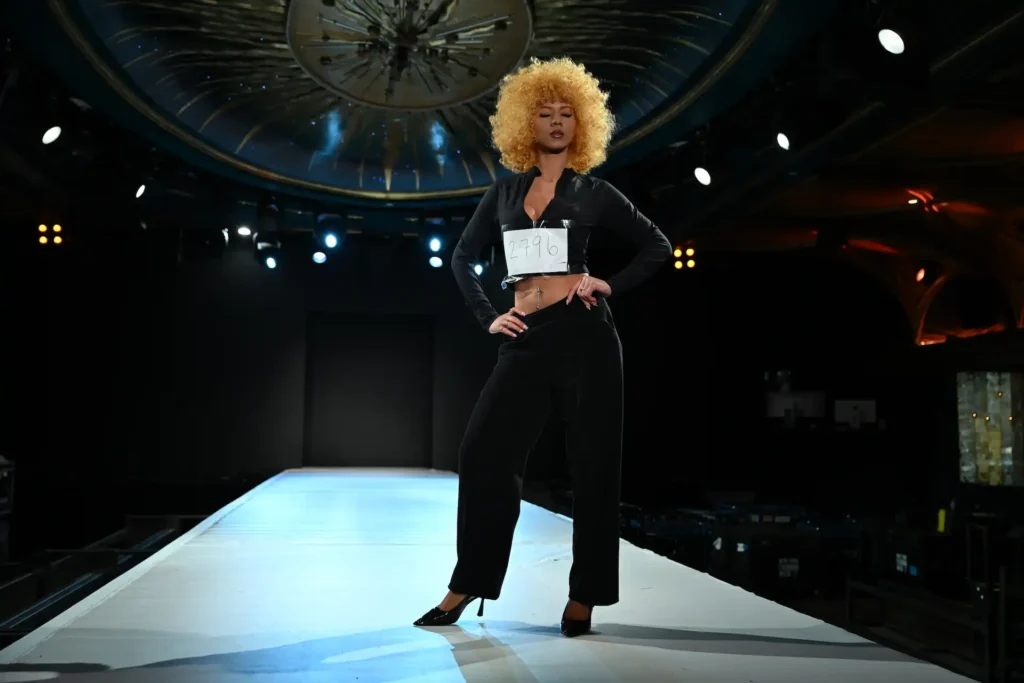
Beginner models should practice posing, runway walking, facial expression, body awareness, and movement in front of a camera. You can also practice by studying fashion campaigns, runway shows, and editorial shoots, then learning how different models use posture, expression, and timing.
For anyone searching “how to be become a model”, skills matter because they help you become more confident when an opportunity appears. Confidence is not only personality. It comes from preparation.
Final Beginner Modeling Roadmap
Use this roadmap as a simple reminder of what to focus on as you continue building your modeling path.
| Stage | Main Goal |
| Stage 1 | Understand your modeling type |
| Stage 2 | Take clean beginner photos |
| Stage 3 | Build a simple portfolio |
| Stage 4 | Practice posing and walking |
| Stage 5 | Apply to official casting calls |
| Stage 6 | Work with brands, photographers, or runway teams |
| Stage 7 | Keep updating your portfolio and skills |
This roadmap brings how to start being a model back to its most important idea: you do not need to have everything perfect before you begin. You need to prepare honestly, apply carefully, and keep improving.
FAQs About How to Start Being a Model
If you are preparing your first photos, applying to castings, or wondering how modeling opportunities work, these answers will help you understand the basics before taking your next step.
Yes. Many models begin without professional experience. What matters first is having clear photos, accurate measurements, a professional attitude, and the willingness to learn. Entry-level opportunities, open castings, and beginner-friendly submissions can help you take your first steps.
Not always. In the beginning, clean digitals are often more useful than expensive photos. Casting teams usually want to see your natural look, body proportions, posture, and confidence without heavy editing or styling.
Not always. A modeling agency can help with representation, bookings, and industry guidance, but many beginners start through open castings, test shoots, brand collaborations, fashion event applications, or official model registration pages. The most important first step is to prepare clear photos, accurate information, and apply through trusted opportunities.
Start by researching categories such as runway, commercial, beauty, fitness, editorial, e-commerce, lifestyle, and brand modeling. Then compare those opportunities with your strengths, comfort level, measurements, and interests.
Yes. Some fashion brands work with beginner models, especially for content shoots, lookbooks, small campaigns, fittings, and creative collaborations. A clean portfolio, professional communication, and reliability can help you stand out.
Look for official casting calls, model registration pages, or trusted fashion event applications. If you are interested in runway opportunities connected to New York Fashion Week, prepare your digitals, measurements, walk video, and availability before applying.
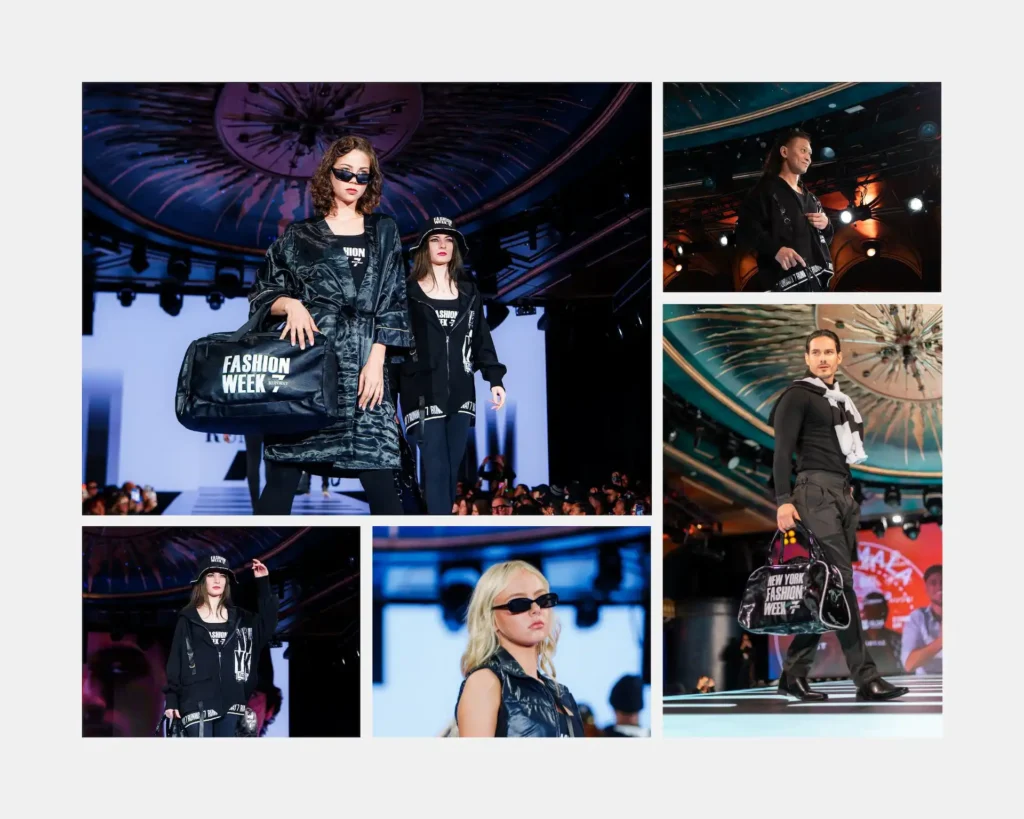
Explore official Runway 7 casting calls for models and prepare your application for upcoming New York Fashion Week opportunities.