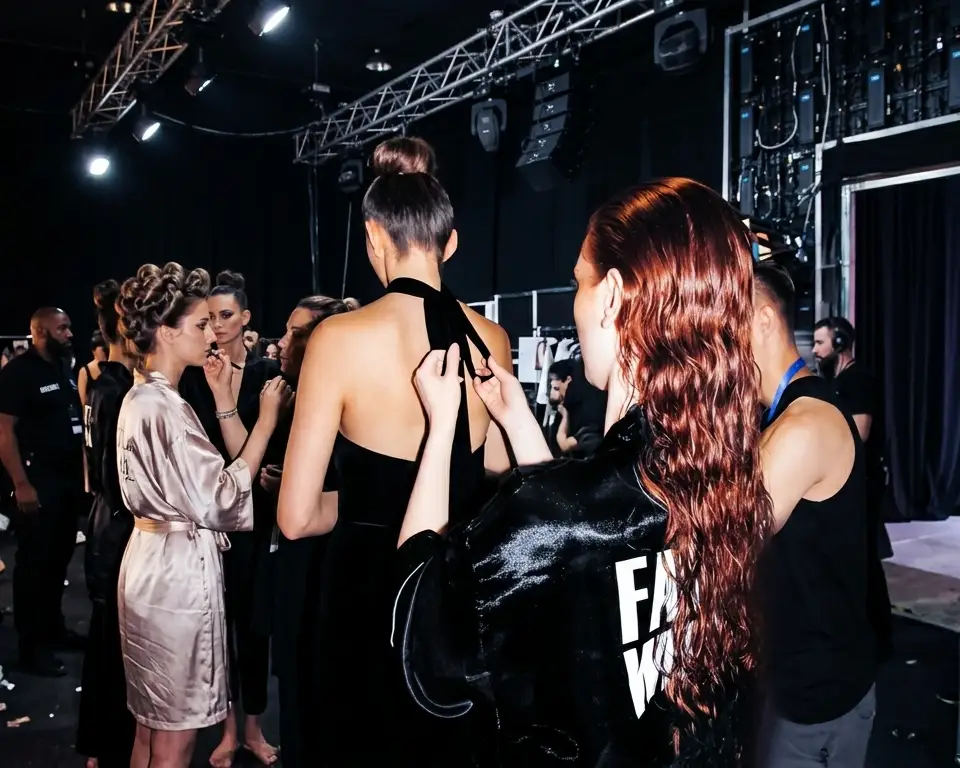
For many emerging creatives, aspiring professionals, and fashion-minded individuals, the fashion industry can feel exciting from the outside but difficult to understand from within. The runway, the backstage movement, the coordination between designers and models, the timing of a live presentation, and the communication between teams are all part of an industry that is often best understood through direct exposure.
That is where Runway 7 Fashion Academy enters the conversation. Created as an immersive fashion education experience, the Academy is designed for students, recent graduates, aspiring fashion professionals, and creatives who want to understand how the industry works beyond the surface.
Instead of focusing only on theory, Runway 7 Fashion Academy introduces participants to the practical side of fashion production, event coordination, brand presentation, communication, and professional development. The program helps connect guided learning with what actually happens inside real fashion environments.
What Is Runway 7 Fashion Academy?
Runway 7 Fashion Academy is an educational program created to bring students closer to the working side of the fashion industry. It offers a structured experience where participants can learn about production, coordination, marketing, merchandising, public relations, audience experience, and the many moving parts that support a professional runway presentation.
At its core, the Academy is built around practical learning. It gives participants a way to understand fashion not only as a creative field, but also as an industry shaped by planning, teamwork, timing, communication, and execution.
This makes Runway 7 Fashion Academy especially relevant for anyone exploring a future in fashion with a clearer sense of what happens behind the scenes. It is not only about watching the final presentation. It is about understanding the process that makes that presentation possible.
You might be interested in reading: How to Start Being a Model: A Complete Beginner’s Guide
An Immersive Fashion Education Program
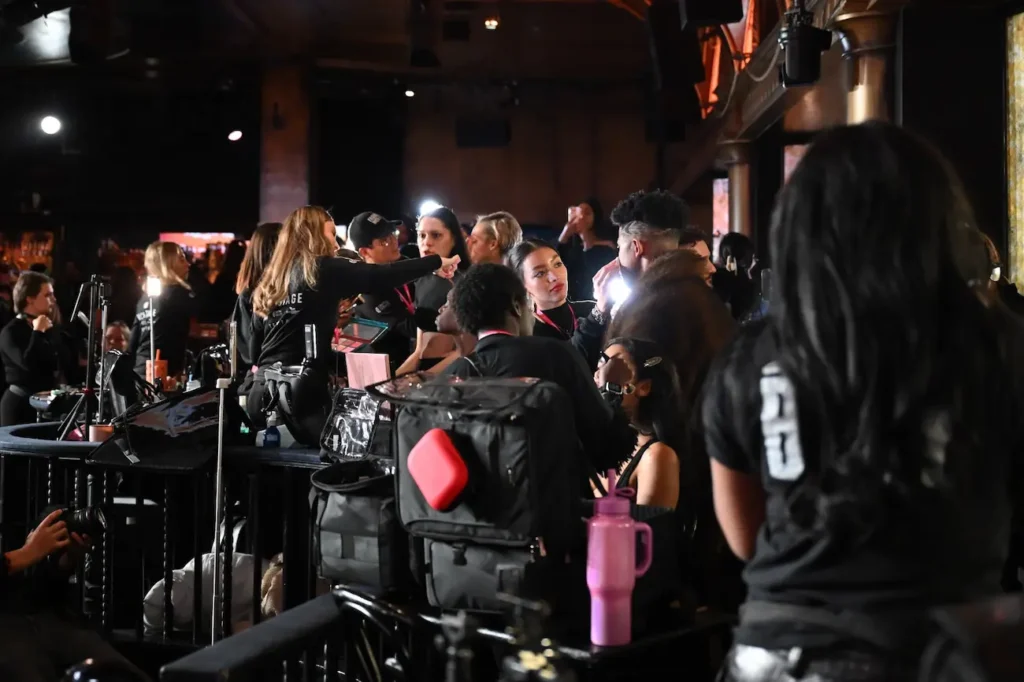
The word “immersive” matters because Runway 7 Fashion Academy is not designed to feel like a traditional classroom-only experience. The program gives participants a closer look at real industry dynamics, helping them understand how different departments work together before, during, and after a fashion production.
For many emerging creatives, this type of experience can make the industry feel more tangible. Fashion is often seen through polished images, finished collections, and public-facing moments. The Academy allows students to look beyond that final result and understand the structure behind it.
This kind of exposure can also help participants discover where they may fit within the industry. Some may be interested in production, while others may feel drawn to marketing, public relations, model coordination, merchandising, or audience experience. By seeing different areas in context, each person can better understand their strengths, interests, and possible career direction.
A Practical Approach to Learning the Fashion Industry
What makes Runway 7 Fashion Academy valuable is its practical approach to fashion education. The program is designed to help students learn through preparation, observation, participation, and exposure to real workflows.
This matters because the fashion industry requires more than creativity. It also requires professionalism, communication, organization, adaptability, and the ability to work with different teams under pressure. These skills are easier to understand when students can see how they are used in real situations.
Through this approach, Runway 7 Fashion Academy helps participants understand that fashion is a collaborative industry. Designers, models, producers, marketers, publicists, coordinators, and event teams all contribute to the final experience. Learning how those roles connect is part of understanding the industry itself.
How Does Runway 7 Fashion Academy Work?
Runway 7 Fashion Academy works through a combination of virtual preparation, guided learning, department-based exposure, and hands-on experience. The program is structured to move from foundational preparation to a closer view of how fashion production functions in practice.
This step-by-step format is important because professional fashion environments can move quickly. Before students enter a more active setting, they need context. They need to understand expectations, communication standards, schedules, and the importance of working as part of a team.
The program combines online preparation with in-person industry exposure in New York City, allowing the online learning experience to create context before the in-person component begins. This format helps participants arrive with context, expectations, and a clearer sense of how each part of the experience connects to real fashion production.
In simple terms, the Academy can be understood through four main stages:
| Stage | What Happens |
| Step 1 | Participants join virtual workshops and begin preparing for the program. |
| Step 2 | They learn how to approach real production environments. |
| Step 3 | The Academy introduces them to key areas of the fashion industry. |
| Step 4 | Learning continues through hands-on experience and real-world exposure. |
Step 1: Participants Join Virtual Workshops
The first stage of Runway 7 Fashion Academy begins with virtual workshops. These sessions introduce the program, the industry context, and the type of work that may appear throughout the experience.
Virtual preparation gives participants time to understand the expectations before stepping into a more active environment. This is especially helpful for students who are new to fashion production or who have never experienced the pace of a professional fashion setting.
During this stage, the Academy begins introducing the areas that shape the program, including production, coordination, communication, marketing, public relations, merchandising, and audience experience. This helps make the program feel more structured from the beginning.
Step 2: Participants Prepare for Real Production Environments
After the virtual workshops, the program moves into a deeper preparation stage. This part of the experience focuses on professional behavior, communication, organization, and the expectations of a real fashion environment.
Fashion production is highly detailed. Schedules matter, communication must be clear, and teams need to respond quickly when things change. Through Runway 7 Fashion Academy, the importance of preparation becomes much clearer.
This stage also shows that fashion is both creative and operational. The creative side may be what attracts many people to the industry, but the operational side is what allows ideas, collections, and presentations to come to life.
Step 3: Students Explore Key Areas of the Fashion Industry
One of the strongest parts of Runway 7 Fashion Academy is its exposure to different areas of the fashion industry. The program is structured around seven core pillars: Designer Coordination, Model Coordination, Audience Experience, Production, Marketing, Merchandising, and Public Relations.
These pillars show that fashion careers can take many forms. Not every path leads to design, and not every important role happens on the runway. Some of the most essential work takes place through planning, communication, coordination, brand development, audience management, and production support.
This broader perspective presents the industry as a connected system. Each area supports the final experience in a different way, and understanding those connections can make the path into fashion feel clearer and more intentional.
Step 4: Learning Continues Through Hands-On Experience
The final stage of this first part of the Academy experience is hands-on learning, where professional teams can be observed in real time.
Hands-on exposure is valuable because it teaches lessons that are difficult to capture through theory alone. It becomes easier to see how quickly decisions are made, how teams communicate, how responsibilities shift, and why focus matters in a live environment.
For those interested in production, marketing, public relations, merchandising, or coordination, this type of experience can be especially meaningful. Runway 7 Fashion Academy gives a clearer sense of what it means to work in fashion: creative, structured, collaborative, demanding, and constantly moving.
What Makes Runway 7 Fashion Academy Different?
What makes Runway 7 Fashion Academy different is the way it connects education with real industry movement. Many fashion programs introduce the creative side of the field, but the Academy gives equal importance to the structure behind that creativity: timing, communication, planning, coordination, and execution.
That structure matters because the fashion industry is not built only on finished garments or final presentations. It depends on teams working together before, during, and after each production. Through Runway 7 Fashion Academy, the most polished moments in fashion become easier to understand as the result of careful preparation behind the scenes.
For anyone exploring the industry with a more practical perspective, this approach can make fashion feel more accessible. Instead of learning from a distance, the Academy introduces the systems, responsibilities, and professional expectations that shape real fashion environments.
You might be interested in reading: How to Apply for the Runway 7 Walk Video Casting
Learning Beyond the Classroom
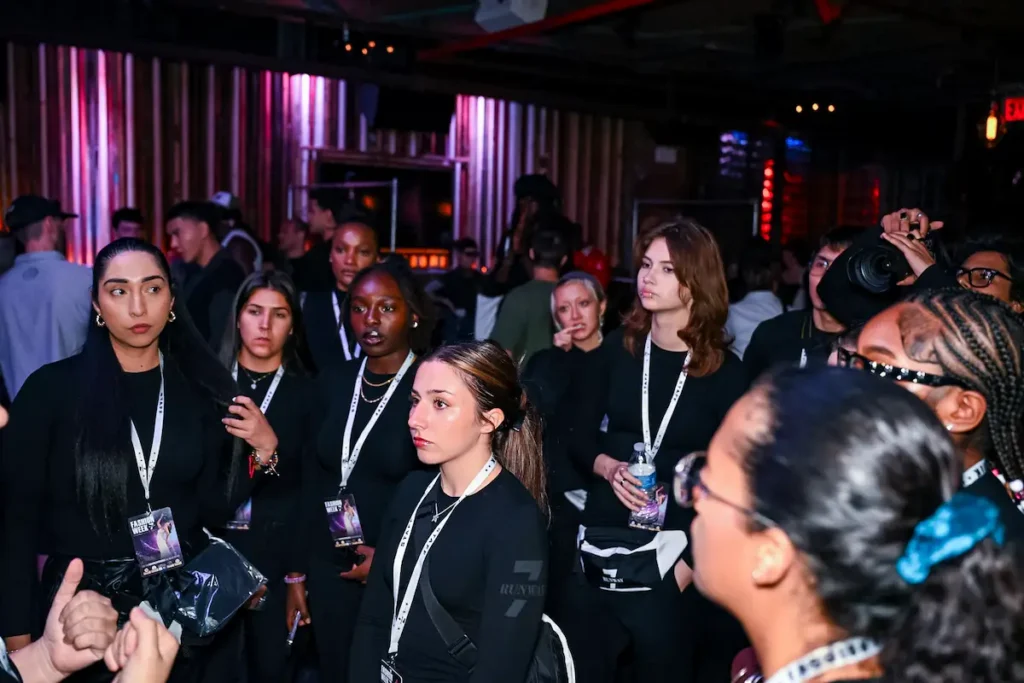
A traditional classroom can teach important concepts, but fashion also requires situational awareness. Students need to understand how people communicate under pressure, how departments stay aligned, and how small details can affect the full experience.
Runway 7 Fashion Academy gives students a more active way to learn. The program allows participants to move beyond theory and begin understanding how fashion production works in context. This does not replace academic learning; it adds another layer to it.
That balance is important. A student may understand fashion terminology, brand positioning, or event planning in theory, but the real value comes when they see how those ideas are applied in a professional setting.
Real Industry Exposure
Industry exposure is one of the strongest parts of Runway 7 Fashion Academy. The program introduces the pace and structure of fashion production, including how teams prepare, communicate, and respond inside live environments.
This type of exposure can build confidence because fashion can feel intimidating when viewed only from the outside. Seeing how the industry operates from within makes the path feel more realistic, especially for emerging creatives and future professionals who are beginning to understand where they may fit.
It also shows why every role matters. From production and public relations to audience experience and model coordination, each area contributes to the final result. Rather than treating education and practice as separate parts of the learning process, the Academy brings them together, making the experience feel less abstract and more useful for anyone preparing to enter the fashion industry.
Inside the Runway 7 Fashion Academy Experience
The Runway 7 Fashion Academy experience is designed to feel structured, practical, and immersive. The program combines online preparation with in-person learning, creating a clear path from theory to the rhythm of professional fashion production.
This experience is especially valuable because it gives students a closer view of what happens behind the scenes. They are not only learning about fashion as a visual industry, but also as a field that depends on organization, service, teamwork, communication, and problem-solving.
To make the experience easier to understand, the Academy can be viewed through several core elements:
| Experience Element | What It Adds to the Program |
| Virtual workshops | Helps students prepare before entering the on-site experience. |
| On-site training | Gives participants exposure to real production dynamics. |
| Academy Kit | Provides official materials for a professional program experience. |
| Networking | Creates opportunities to connect with industry professionals. |
| Portfolio content | Helps students build personal and professional visibility. |
| Certificate | Recognizes participation and completion of the program. |
2026 Program Duration, Schedule and Location
Runway 7 Fashion Academy is structured with both virtual preparation and on-site learning. For the 2026 program, students complete virtual class hours before joining the in-person experience in New York City.
This schedule helps participants understand the Academy’s structure before entering a more active production environment, giving them time to prepare, ask questions, and connect the online learning experience with the on-site component.
| Program Detail | 2026 Information |
| Duration | 8 virtual class hours and 48 hands-on site hours |
| Online Schedule | August 9, 16, 23 and 30, 2026 |
| On-Site Schedule | September 6–14, 2026 |
| Location | Sony Hall, New York City |
On-Site Training in New York City
The on-site experience is where the program becomes more immediate. Students are introduced to the pace of fashion production in New York City, gaining exposure to how teams work together in a professional setting.
This part of Runway 7 Fashion Academy allows students to understand the difference between studying fashion and being present in an active fashion environment. They can observe how communication flows, how schedules are followed, and how teams respond to the needs of a live production.
For students who are serious about entering the industry, this kind of exposure can be highly valuable. It gives them a more realistic sense of the energy, responsibility, and discipline required in professional fashion spaces.
What the Program Includes
The Runway 7 Fashion Academy experience includes more than classroom preparation. Students are introduced to a full program structure that supports learning, professional exposure, and day-to-day participation during the on-site experience in New York City.
The 2026 program includes a combination of virtual workshops, hands-on site hours, accommodations, official materials, meals during production days, and access to different departments within the Academy.
| Program Inclusion | What It Adds to the Experience |
| 8 virtual workshop hours | Online preparation introduces the program structure before the on-site experience begins. |
| 48 hands-on site hours | Practical exposure helps connect guided learning with a real production environment. |
| VIP Welcome Dinner | The experience begins with an opportunity to connect with fellow participants, mentors, and industry guests. |
| 8 days / 7 nights hotel accommodations | The program includes a New York City stay during the full Academy experience. |
| Official Academy Kit | Official materials and uniform support help create a more prepared and professional program experience. |
| Meals during production days | Meals are provided during long production days to support the on-site schedule. |
| Department exposure | The Academy introduces areas such as production, backstage operations, PR, marketing, merchandising, coordination, and more. |
Backstage Access and Department Exposure
Backstage access offers a closer view of how a professional fashion environment operates beyond what the audience sees. In Runway 7 Fashion Academy, this part of the experience reveals the pace, coordination, and communication required behind the scenes.
The program also introduces different departments throughout the experience, including production, backstage operations, marketing, public relations, merchandising, and coordination. This broader exposure helps show how each area supports the full event rather than presenting fashion through only one role.
For many emerging creatives, this department exposure is one of the most valuable parts of the Academy. It shows how creative, operational, commercial, and communication-based teams work together in real time, making the industry feel more like a connected professional ecosystem.
Networking and Professional Development
Networking is another meaningful part of the Academy experience. In fashion, relationships often help clarify how the industry works, where opportunities exist, and what kind of professional standards are expected.
Runway 7 Fashion Academy creates space to connect with mentors, professionals, creatives, and peers who share similar interests. These moments can support both personal growth and professional development, especially for those beginning to build their place within the industry.
The value of networking is not only about meeting people. It is also about learning how to present yourself, communicate professionally, ask better questions, and understand the expectations of a real fashion environment.
Academy Kit and Program Support
The Academy Kit provides official materials connected to the program experience. More than a simple extra, it helps create a sense of preparation, alignment, and professionalism throughout the Academy.
Program support also matters because many people are stepping into a space that may be new to them. Having structure, guidance, and clear expectations makes the experience more approachable from the beginning.
This support is part of what makes Runway 7 Fashion Academy feel like a guided educational experience rather than an informal opportunity. The program introduces the environment with preparation and direction, helping each person move through the experience with more clarity.
The 7 Pillars of Runway 7 Fashion Academy
The educational structure of Runway 7 Fashion Academy is built around seven official pillars: Designer Coordination, Model Coordination, Audience Experience, Production, Marketing, Merchandising, and Public Relations.
These pillars help students understand the fashion industry as a connected system. Each area has its own responsibilities, but none of them works in isolation. A successful fashion production depends on the way these departments communicate and support one another.
This section is important because it gives the article stronger educational value. It also helps readers understand that Runway 7 Fashion Academy is not focused on one single area of fashion. Instead, it introduces students to multiple professional paths within the industry.
You might be interested in reading: Top 10 Emerging Fashion Designers in New York to Watch
1. Designer Coordination
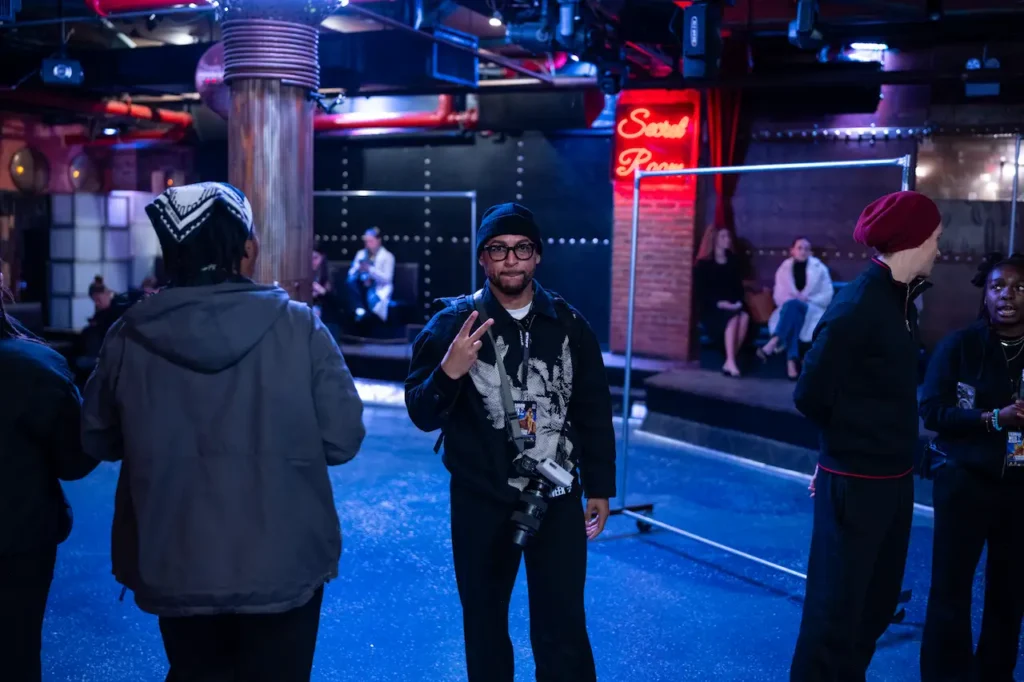
Before a collection reaches the runway, every look has to be organized, prepared, and delivered with precision. That process is where Designer Coordination becomes essential. This pillar focuses on how designers and their teams move from creative vision to runway execution through planning, communication, and timing.
Inside this area, the Academy highlights how designer needs are managed within a live production environment. It also shows how communication flows between departments, from production and styling to backstage coordination, so each collection can be presented with clarity and consistency.
The Designer Coordination workshop introduces practical skills such as designer relations, communication workflows, team collaboration, problem-solving, and coordination between designers, production teams, and stylists. It is a direct way to understand how fashion concepts move from creative planning into a professional runway setting.
2. Model Coordination
A runway show depends on movement, timing, and readiness. Model Coordination focuses on how models are prepared, organized, and guided before each presentation, from casting support and fittings to lineup organization and backstage flow.
This area gives a closer look at the structure behind model management. It covers how each model is positioned according to the show schedule, how timing is maintained backstage, and how coordination with production teams helps the presentation move smoothly.
The workshop also introduces communication with models, agents, and production staff in a professional environment. It includes model casting processes, selection criteria, fittings coordination, backstage management, timing execution, and etiquette when working with talent.
3. Audience Experience
The guest experience begins long before the first look appears. From arrival to seating, Audience Experience focuses on how attendees move through the event and how each interaction contributes to a polished, elevated environment.
This pillar introduces the front-of-house side of fashion production, including guest management, VIP hospitality, audience flow, customer service, and expectation management. It shows how a premium event atmosphere is built through organization, service, communication, and attention to detail.
Audience Experience also highlights the importance of problem resolution in high-end fashion environments. A successful event is not only defined by what happens on the runway, but also by how attendees feel throughout the entire experience.
4. Production
Behind every polished runway moment is a production team keeping the show in motion. In the Production pillar of Runway 7 Fashion Academy, the focus shifts to the operational side of live runway execution, where timing, backstage logistics, communication, and coordination all need to work together.
This area shows what it takes to support a large-scale fashion event from behind the scenes. It explores how teams move through show schedules, how responsibilities are divided, and how quick decisions are made when the environment is active and fast-paced.
For those interested in event production, backstage operations, or fashion show management, this pillar offers practical exposure to industry-standard workflows, team collaboration, and real-time problem-solving. It shows that production is not only about making the show happen; it is about keeping every moving part aligned under pressure.
5. Marketing
In fashion, visibility is built in real time. The Marketing and Content Creation pillar introduces how digital content helps document, communicate, and extend the life of a live fashion experience beyond the room.
This area focuses on capturing backstage moments, runway highlights, audience energy, and behind-the-scenes details that support the Academy’s broader storytelling. It gives a practical understanding of how content is produced under deadlines while staying aligned with brand identity and visual direction.
For those interested in social media, digital platforms, influencer collaboration, visual communication, or creative strategy, this pillar offers a direct look at how fashion content is planned and produced in active environments. It also supports personal and professional portfolio development with material connected to real industry experience.
6. Merchandising
Merchandising brings the business side of fashion into focus. In this pillar of Runway 7 Fashion Academy, the experience looks at how product presentation, customer interaction, brand storytelling, and sales support contribute to the commercial side of a live event.
This area offers a practical view of how fashion moves from visual identity to consumer engagement. It shows how products are positioned, how inventory is coordinated, how guests interact with merchandise, and how brand activations can create a stronger connection between the audience and the brand.
For those interested in fashion business, retail, brand strategy, or event sales, Merchandising offers insight into how creativity becomes revenue. It shows that a fashion experience is not only built through presentation and production, but also through the way products are introduced, explained, displayed, and sold in a real environment.
7. Public Relations
Public Relations is where communication becomes part of the event experience. This pillar introduces the public-facing side of the industry, where media coordination, influencer engagement, guest lists, and professional communication all help shape how an event is seen and remembered.
This area includes exposure to press check-in, media relations, VIP coordination, brand communication, and working with influencers or industry insiders. It shows how PR teams connect the event with the people who document it, attend it, share it, and help expand its visibility.
For those interested in communication, media, branding, or event publicity, Public Relations offers a practical look at how reputation and exposure are managed in real time. It also introduces important skills such as crisis management, professional messaging, and relationship-building, showing how PR supports both credibility and visibility within Runway 7 Fashion Academy.
What Participants Can Learn Through the Academy
After exploring the seven pillars of Runway 7 Fashion Academy, students begin to see how each area connects to a larger professional skill set. The program is not only about understanding departments individually, but about learning the behaviors, workflows, and communication habits that support real fashion environments.
Through this experience, participants can develop a stronger sense of how fashion operates behind the scenes. From coordination and backstage organization to brand presentation and professional etiquette, the Academy helps students connect practical exposure with skills they can carry into future opportunities.
| Skill Area | What Students Gain |
| Communication and Team Coordination | Understanding how departments stay aligned during production. |
| Backstage Organization | Learning how timing, movement, and preparation support the final presentation. |
| Brand Presentation | Seeing how fashion brands are supported through communication and visual details. |
| Problem-Solving | Building confidence in fast-moving professional environments. |
| Professional Etiquette | Understanding how to behave, communicate, and collaborate in industry settings. |
Who Is Runway 7 Fashion Academy For?
Runway 7 Fashion Academy is designed for people who want a more practical understanding of the fashion industry, from college students and recent graduates to aspiring professionals, career changers, and emerging creatives. It can be especially relevant for anyone curious about what happens behind the scenes and looking for a guided way to explore the industry.
The program is not limited to one type of fashion student. Because the Academy covers several areas of the industry, it can be useful for people interested in production, marketing, public relations, merchandising, coordination, event support, or broader fashion business pathways.
| Student Profile | Why the Academy Can Be Relevant |
| College and University Students | College and university students can use the Academy as a way to connect academic learning with practical exposure. For students studying fashion, communications, marketing, business, design, or event management, Runway 7 Fashion Academy can help bring classroom concepts into a more active context and give them a closer look at the teamwork behind professional fashion environments. |
| Recent Graduates | Recent graduates often have academic knowledge but may need practical exposure, industry confidence, and a clearer sense of direction. Runway 7 Fashion Academy can help them observe real workflows, understand professional expectations, and begin building experience that supports early career development. |
| Aspiring Fashion Professionals | Aspiring professionals may already know they want to work in fashion, but may not know where to begin. The Academy helps them see different roles across production, PR, merchandising, coordination, marketing, and audience experience. |
| Career Changers Interested in Fashion | Career changers from communications, hospitality, events, business, media, or marketing can use the Academy as a structured introduction to the fashion industry. It helps them understand where their existing skills may fit and what new skills they may need to develop. |
| Creatives Looking for Practical Experience | Creatives who are already building portfolios, content, styling concepts, or brand ideas can use the program to understand the professional side of execution. The Academy shows how creative work connects with production, communication, audience experience, and brand presentation. |
Why Practical Experience Matters in Fashion Education
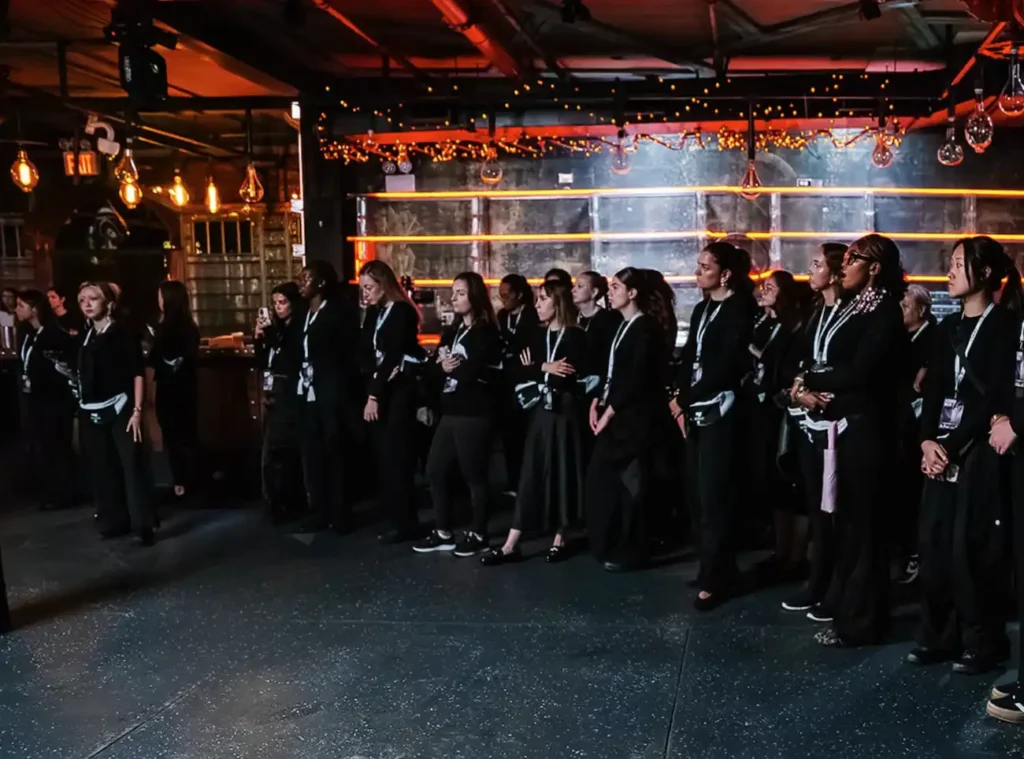
Practical experience matters because fashion is an industry built on movement, collaboration, and timing. While theory can explain important concepts, direct exposure helps students understand how those concepts are applied in real situations.
This is one of the reasons Runway 7 Fashion Academy focuses on connecting education with experience. The program helps students see that fashion careers are shaped not only by creativity, but also by discipline, communication, preparation, and professional awareness.
You might be interested in reading: How to get invited to New York Fashion Week 2026
Fashion Careers Require More Than Theory
A strong foundation in fashion theory can help students understand history, design, branding, or consumer behavior. But many professional roles also require the ability to work with people, solve problems, manage details, and respond to real-time needs.
That is why practical learning is so important. It helps students move from knowing about fashion to understanding how fashion operates. This shift can make a major difference for those preparing to enter the industry.
Live Environments Build Confidence
Live environments can teach students lessons that are difficult to recreate in a classroom. They show how fast teams move, how decisions are made, and how important it is to stay focused even when there are many things happening at once.
For students, this type of exposure can build confidence. By seeing professional environments up close, they can better understand what is expected and how they might contribute in future roles.
Industry Exposure Can Clarify a Career Path
Industry exposure can also make career decisions feel more informed and intentional. Someone may enter the Academy with an interest in one area and discover a different strength through the experience.
This is one of the strongest benefits of Runway 7 Fashion Academy. By offering a wider view of the industry, the program allows emerging creatives and future professionals to explore different paths before committing to a specific direction.
How to Apply to Runway 7 Fashion Academy
Those interested in Runway 7 Fashion Academy can begin by reviewing the official program information and understanding how the full experience is structured. The Academy is built as a complete educational program, meaning every applicant is introduced to all seven pillars rather than choosing only one area of focus.
This approach creates a broader understanding of the fashion industry. Instead of limiting the experience to one department, the program shows how designer coordination, model coordination, audience experience, production, marketing, merchandising, and public relations work together within a professional environment.
For many aspiring creatives, this also represents a more structured evolution of what they may have once searched for as a way to volunteer at nyfw. Today, Runway 7 Fashion Academy offers a guided educational path, turning that interest in behind-the-scenes access into a full learning experience with workshops, hands-on exposure, professional visibility, and program support.
You might be interested in reading: Runway 7 Academy’s Role in Empowering Future Leaders of the Creative Industry
Review the Full Program Structure
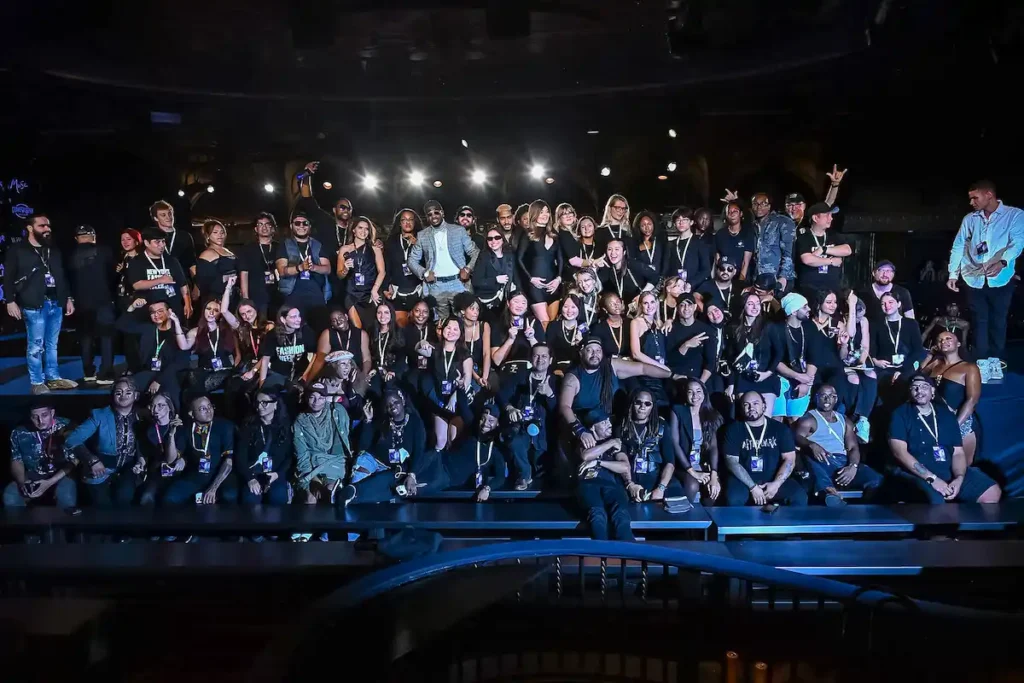
The first step is to review the official information about Runway 7 Fashion Academy. This includes understanding the program duration, virtual workshop schedule, on-site experience, included benefits, and the seven educational pillars that shape the Academy.
This step matters because students should know that the program is designed as a complete experience. It is not only about observing one part of the industry, but about understanding how different departments connect to create a professional fashion production.
Understand What the Academy Includes
Before applying, students should also review what the program includes. The 2026 experience features virtual workshop hours, hands-on site hours, access to different departments, an official Academy Kit, networking opportunities, professional content, LinkedIn endorsement, and a Certificate of Completion.
Understanding these details helps applicants see the full value of the program. It also allows them to prepare with clearer expectations, especially if they are new to fashion production, event coordination, public relations, merchandising, or backstage operations.
Review Enrollment Options and Payment Plans
Applicants can review enrollment options through the official Academy website. The program lists a full payment option of $7,500 for the complete experience.
For those who prefer a flexible payment structure, the Academy also offers an initial payment option of $500. After the initial payment, the remaining balance can be split into 4 or 6 installments, with the Academy team guiding each applicant through the payment plan.
Submit Your Application Through the Official Website
Once the full program structure, included benefits, and enrollment options are clear, applicants can submit their application through the official Runway 7 Fashion Academy website.