
Fashion is usually presented through its finished image: the polished runway look, the campaign photograph, or the dress that becomes part of popular culture. Behind that final result, however, is often an unexpected story shaped by career changes, personal experiences, cultural influences, and years of experimentation.
These facts about fashion designers reveal that there is no single route into the industry. Some designers studied fashion from the beginning, while others arrived through journalism, engineering, politics, retail, architecture, or completely different creative fields.
This first part explores the early careers and surprising beginnings of several influential names. More than a simple collection of fashion designer fun facts, these stories show how each designer’s background helped shape a distinctive creative identity.
Fashion Designer Fun Facts About Famous Careers and Unexpected Beginnings
Before looking at ateliers, collections, and runway production, it helps to understand where designers come from. These facts about fashion designers focus on the years before the acclaim—the jobs, interests, and decisions that later influenced how each person approached clothing.
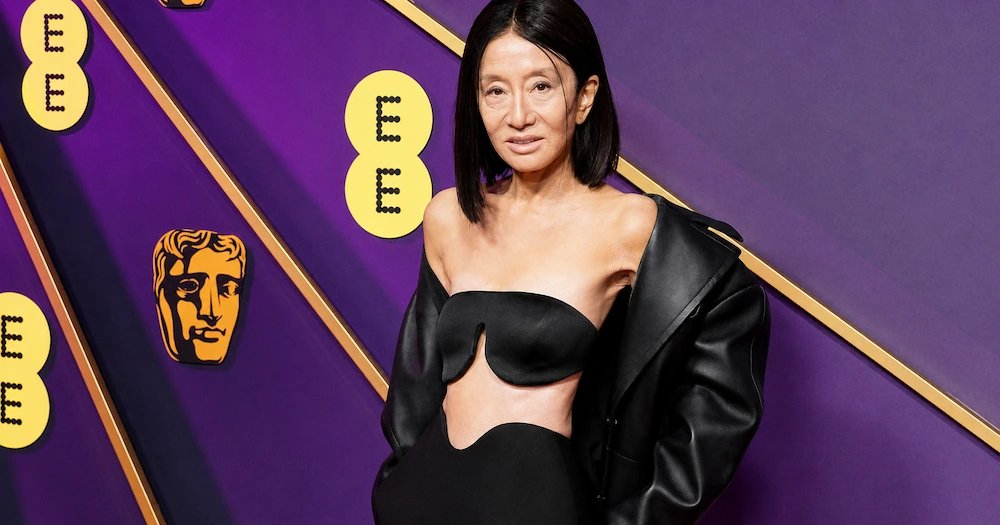
1. Vera Wang Entered Bridal Fashion Around Age 40
Vera Wang’s name is closely associated with modern bridal design, but she did not launch her own label immediately after college. She first pursued competitive figure skating, then built a long editorial career at Vogue and later worked at Ralph Lauren. Wang has explained that she began her company at 40, after years spent learning inside established fashion institutions. Her first bridal salon opened in New York in 1990.
Among the most encouraging facts about fashion designers, Wang’s story stands out because it rejects the idea that creative success must arrive early. Her experience in editorial and design gave her a sophisticated understanding of image, clothing, and the customer before she established her own point of view.
It is also one of the most useful fashion designer fun facts for anyone worried that they have started too late. Wang did not enter bridal fashion without experience; she brought years of industry knowledge into a category she believed could be approached differently.
You might be interested in reading: 10 Latin American Designers and Fashion Brands to Watch at New York Fashion Week
2. Giorgio Armani Studied Medicine Before Entering Fashion
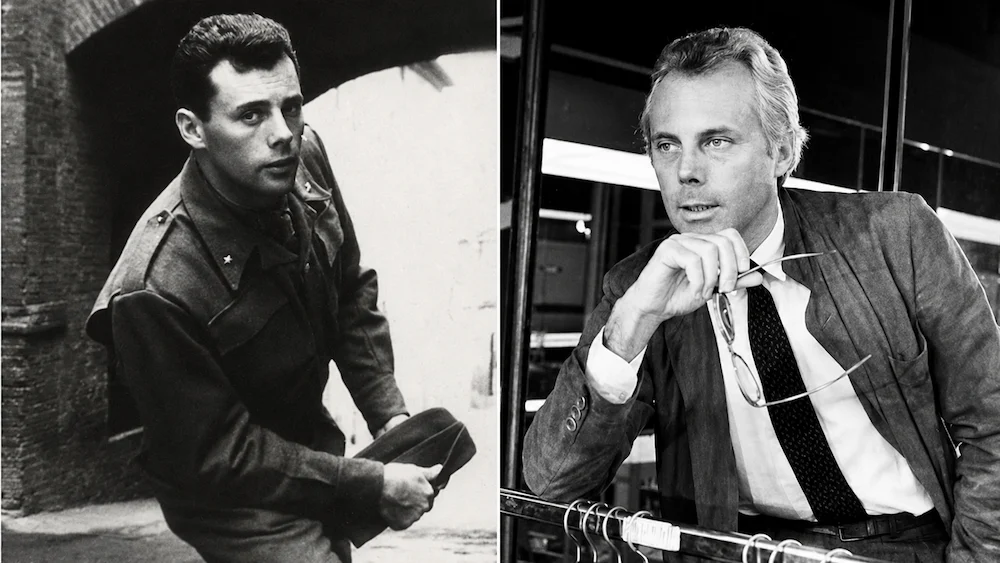
Before Giorgio Armani became known for relaxed tailoring and understated Italian elegance, he studied medicine and completed military service. His route into fashion began more gradually through work at La Rinascente, the Milan department store where he gained experience in window displays, retail, and menswear.
Armani later designed for Nino Cerruti before establishing Giorgio Armani with Sergio Galeotti in 1975. His path was not built around a dramatic overnight discovery. It developed through observation, practical experience, and an increasingly clear understanding of how clothing could feel less rigid on the body.
This background makes Armani’s career one of the more unexpected fashion designer fun facts. Medicine and fashion may appear unrelated, yet both demand close attention to anatomy, proportion, movement, and structure. His experience in retail also mattered. A designer must understand not only how clothing is imagined, but how it is presented, worn, and understood by the public.
3. Miuccia Prada Trained in Political Science and Mime
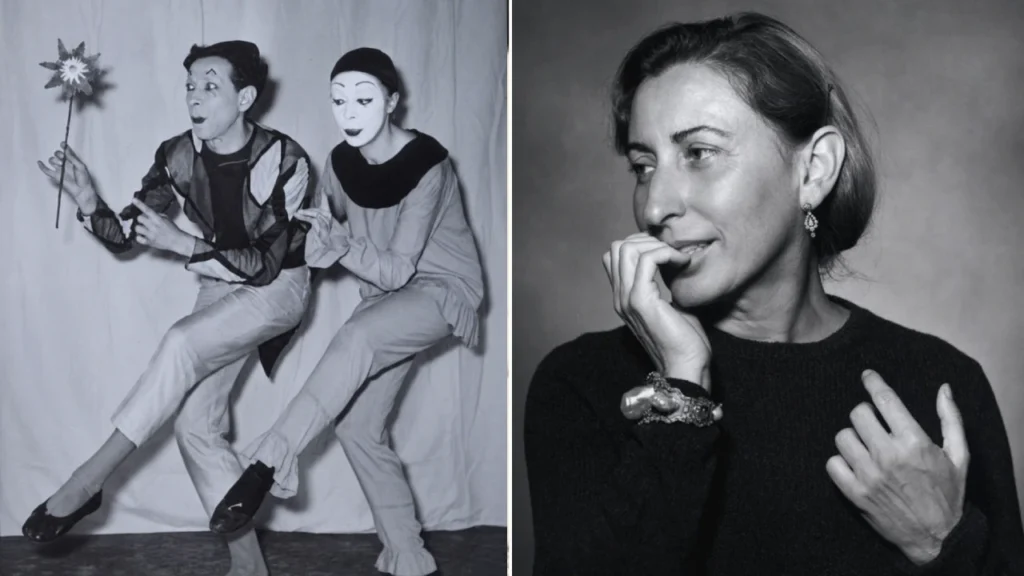
Miuccia Prada’s intellectual approach to fashion makes more sense when you look at her education. She earned a doctorate in political science at the University of Milan and trained as a mime artist before taking control of her family’s leather-goods business in the late 1970s.
Rather than separating those experiences from fashion, she brought their ideas about culture, performance, contradiction, and identity into her work. Her collections have often questioned familiar definitions of beauty, luxury, and good taste, making supposedly ordinary or awkward elements feel newly desirable.
This is one of those fashion designer fun facts that explains more than a résumé. Political science offered a way of examining power and society, while mime relied on gesture, movement, and visual communication. Both disciplines can be felt in a design language that is analytical, theatrical, and emotionally complex without becoming predictable.
4. Ralph Lauren Built His Fashion World From a Necktie
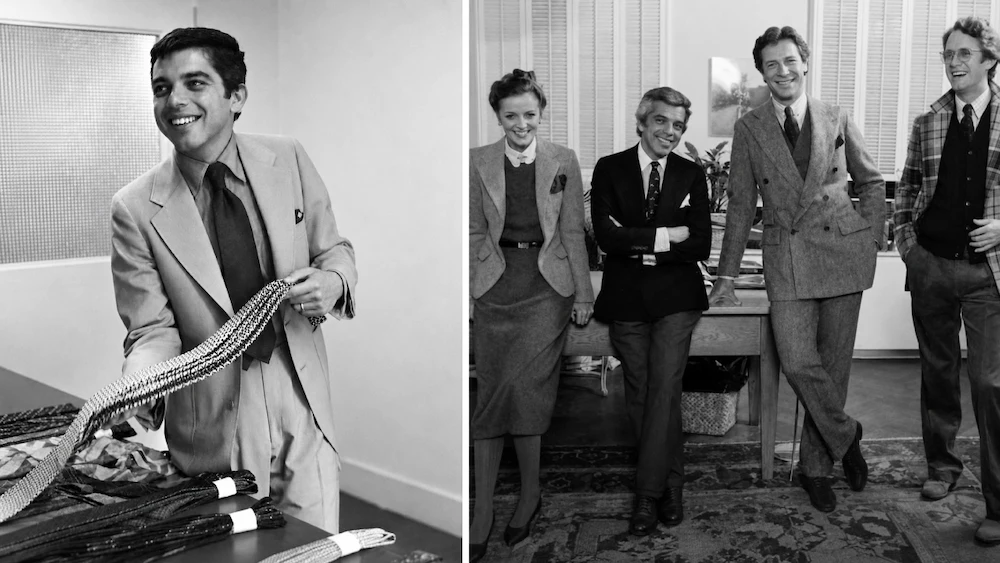
Ralph Lauren did not begin with a complete lifestyle collection. In 1967, he introduced a line of wide, handmade neckties under the Polo name, working from a drawer in the Empire State Building.
That single product category eventually became the starting point for a much larger vision of American style. Over time, the Ralph Lauren world expanded into clothing, accessories, interiors, hospitality, and retail spaces designed to feel like complete environments rather than conventional stores.
In lists of interesting facts about fashion designers, this detail matters because it shows that a brand does not need to launch with everything at once. A sharply defined product can communicate taste, ambition, and identity before a company expands.
Lauren was not only selling ties. He was beginning to build the cinematic world that would later define his brand: one influenced by Old Hollywood, classic tailoring, East Coast prep, the American West, and an aspirational approach to everyday life.
5. Coco Chanel Began Her Career as a Milliner
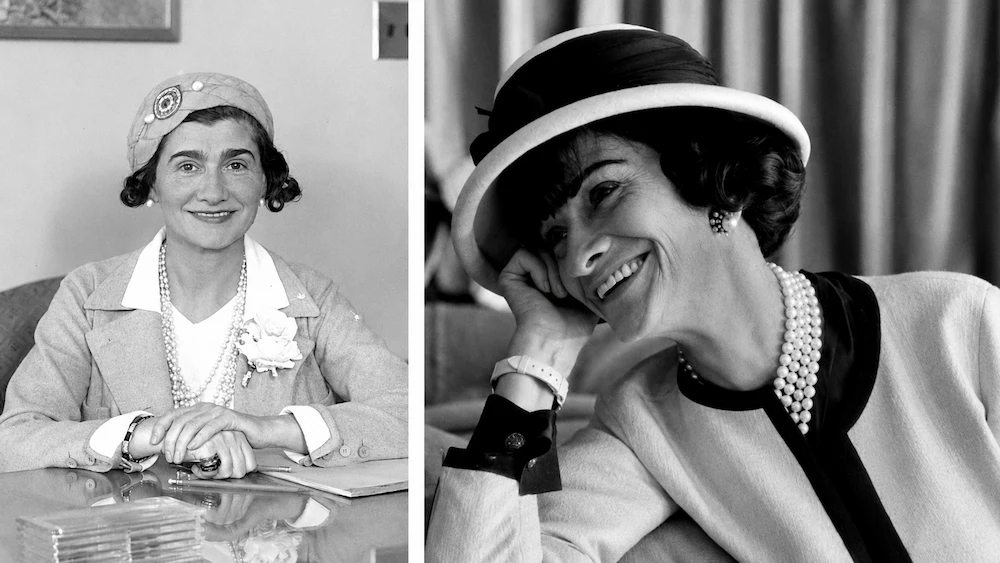
Long before the Chanel suit became an emblem of modern luxury, Gabrielle “Coco” Chanel worked as a milliner. Following a difficult childhood and a period performing onstage, she moved into hatmaking and opened shops in Paris and Deauville.
From there, Chanel expanded into clothing and developed an approach centered on ease, movement, sportswear influences, and a break from the more restrictive conventions of women’s dress. Her designs borrowed elements from menswear while introducing softer construction and practical fabrics into fashionable wardrobes.
Among the most revealing facts about fashion designers, Chanel’s beginning demonstrates the importance of mastering one product before moving into a wider collection. Hats gave her an entry point into fashion, introduced her to clients, and created a space in which she could refine her eye.
Her later use of jersey, cardigan-inspired jackets, and relaxed silhouettes helped transform ideas about elegance during the twentieth century. The story also shows that accessories are not always secondary to a fashion house; sometimes, they are where the entire identity begins.
6. Christian Dior Presented His First Collection in His Early Forties
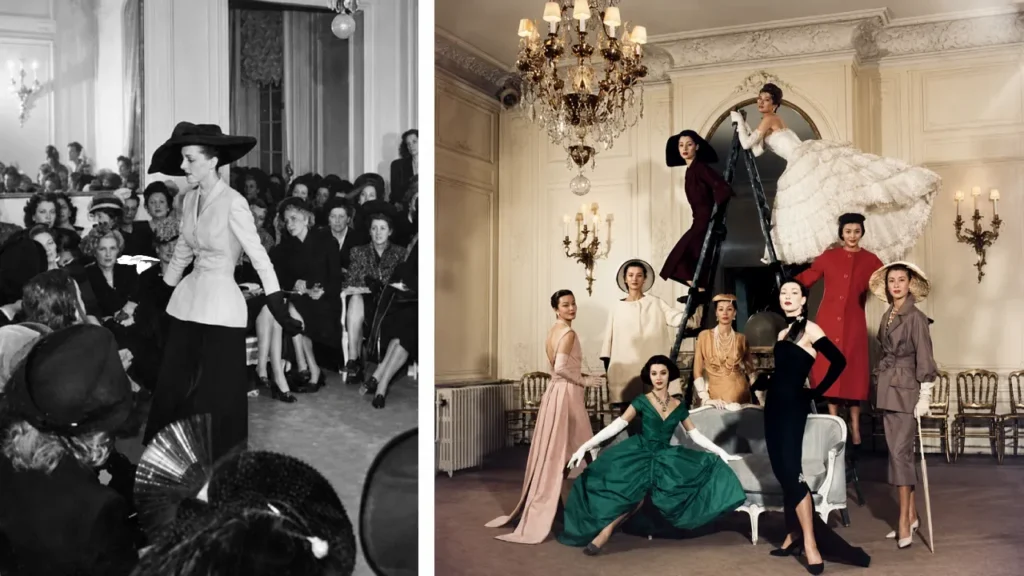
Christian Dior presented the first collection for his own house in 1947, when he was in his early forties. The collection introduced the rounded shoulders, defined waist, and voluminous skirts that became associated with the “New Look.”
Its impact was immediate. The silhouettes helped restore the authority of Parisian couture following World War II and offered a dramatic contrast to the practical, fabric-conscious clothing associated with the war years.
For readers searching for fashion designer interesting facts, Dior’s debut is a reminder that a mature career can begin with extraordinary force. Years of cultural exposure and professional experience preceded the collection that established his name.
This is also one of the fashion designer fun facts that reveals how important timing can be. Dior’s silhouette arrived at a moment when many audiences were ready for a different image of fashion—one connected to ceremony, craftsmanship, femininity, and postwar optimism.
7. Virgil Abloh Was Trained as an Engineer and Architect
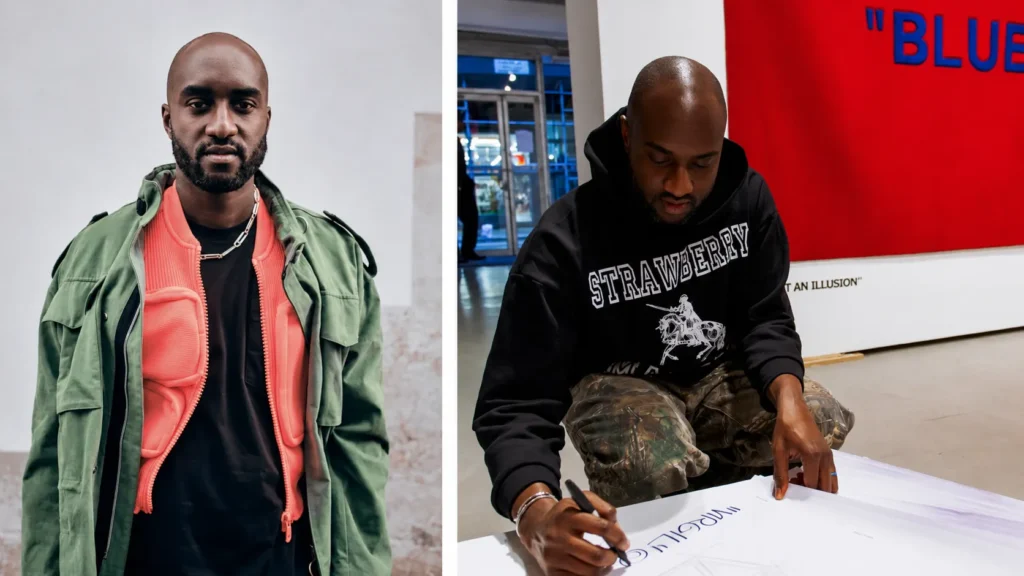
Virgil Abloh’s education did not follow a traditional fashion-school route. He studied civil engineering at the University of Wisconsin–Madison and later earned a master’s degree in architecture from Illinois Institute of Technology.
Those disciplines influenced the way he approached objects, systems, typography, collaboration, and the relationship between streetwear, art, music, architecture, and luxury. Instead of thinking only in terms of individual garments, Abloh often treated design as a broader method of communication.
His story closes this first group of facts about fashion designers because it captures how interdisciplinary the profession has become. Abloh’s work moved across clothing, furniture, exhibitions, album design, architecture, and cultural programming.
Rather than treating those areas as separate careers, he used them as parts of one creative language. His example suggests that fashion can be entered from many directions, provided the designer knows how to connect ideas and communicate them clearly.
What These Early Career Stories Reveal About Fashion Designers
Taken together, these facts about fashion designers make one point especially clear: there is no universal beginning. A career can grow from a department-store floor, a magazine office, a political science program, a bridal salon, a millinery shop, or an architecture studio.
What matters is how those experiences are translated into a distinct creative perspective. The strongest designers do not simply leave their previous interests behind. They bring those references into their work, allowing education, culture, personal history, and professional experience to shape how they understand clothing.
These facts about fashion designers also reveal why formal fashion education is only one possible route into the industry. Technical knowledge remains important, but designers can develop valuable skills through publishing, retail, visual merchandising, engineering, performance, or product design.
The best fashion designer fun facts are therefore more than surprising details. They explain why designers see the world differently and why their work can resonate beyond a single collection or season.
In the next part, the focus shifts from career beginnings to the creative process itself: how an initial idea becomes a collection, why fabric can completely transform a design, and what happens before a finished look reaches the runway.
How Fashion Designers Turn Ideas Into Runway Collections
A finished collection can look effortless when it appears on the runway, but the work behind it is rarely simple. Designers move between research, fabric testing, patternmaking, fittings, styling, production decisions, and constant revision before the audience sees a single look.
This next group of facts about fashion designers explores what happens between the first idea and the final presentation. These stories also show why the best fashion designer fun facts are often found in the process itself: in the unusual techniques, practical experiments, and collaborative decisions that turn an abstract concept into clothing that can move, photograph, and connect with an audience.
8. Madeleine Vionnet Designed in Three Dimensions Instead of Sketching
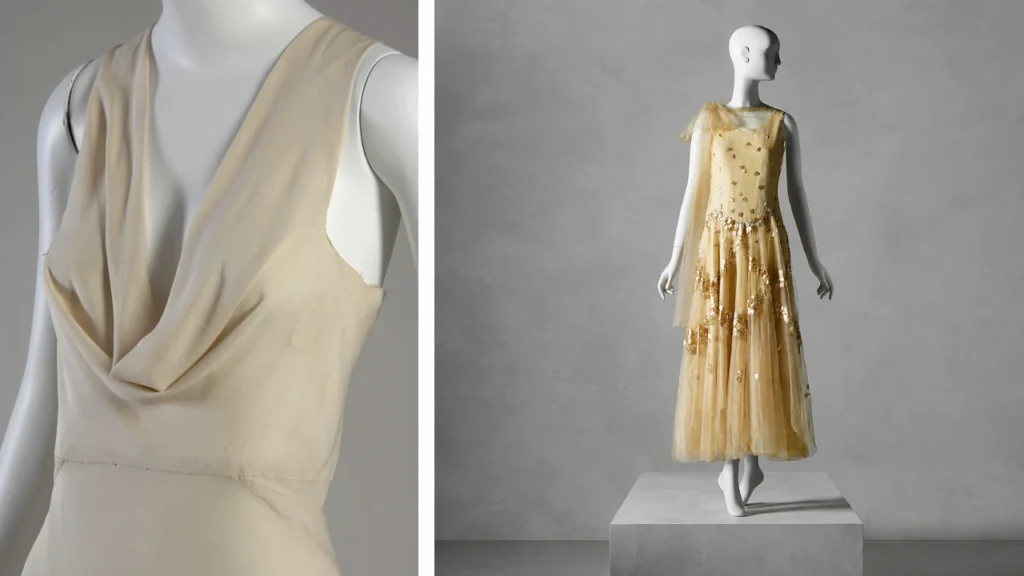
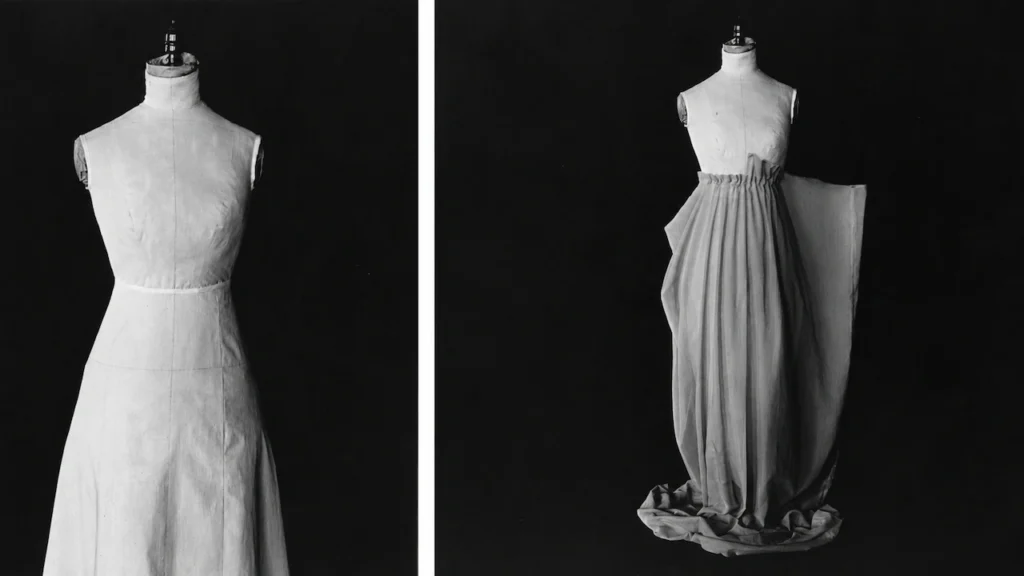
Not every designer begins with pencil and paper. Madeleine Vionnet was known for working directly with fabric on a reduced-scale dress form, turning the mannequin as she developed a garment from different angles. The method allowed her to observe how the cloth responded to gravity and movement rather than treating the design as a flat image. The Metropolitan Museum of Art notes that she worked three-dimensionally instead of relying on conventional sketches.
This approach helped Vionnet refine the fluid draping and bias-cut construction for which she became famous. Fabric was not simply placed over a predetermined shape; its weight, stretch, and fall actively influenced the outcome.
Among the most revealing facts about fashion designers, Vionnet’s method shows that drawing is only one language of design. For some creatives, the conversation begins with the material itself. It is also one of the more useful fashion designer fun facts for aspiring designers who believe strong illustration skills are the only way to communicate an idea.
9. Issey Miyake Pleated Garments After They Were Cut and Sewn
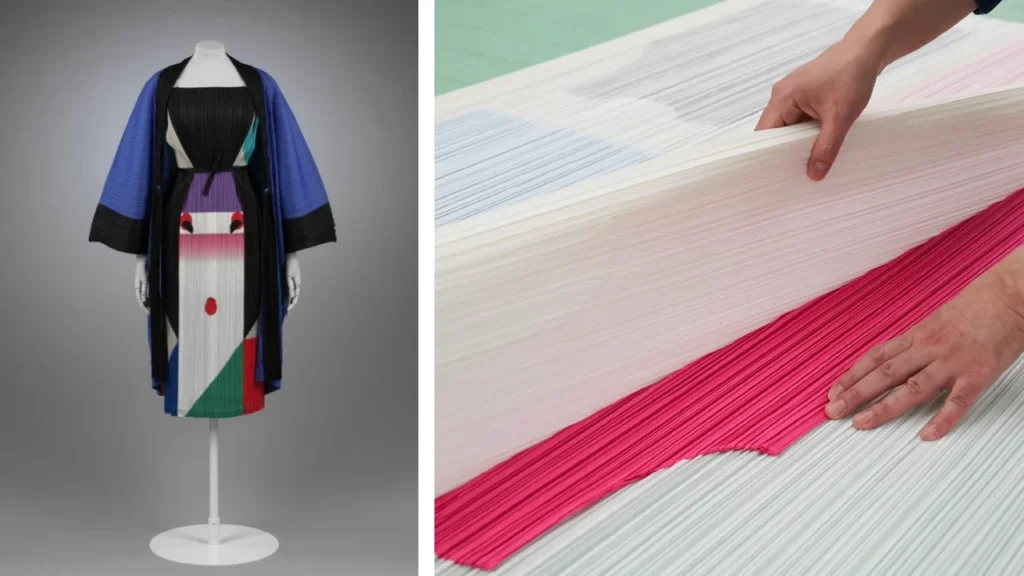
Pleated fabric may look as though it is shaped first and turned into clothing afterward. Issey Miyake reversed that familiar sequence for Pleats Please. The garments were cut and sewn at a larger scale, carefully folded, placed between sheets of paper, and heat-pressed so the finished clothing emerged with permanent pleats. The Met describes the technique as garment pleating because the completed piece, rather than the raw textile, went through the pleating process.
The method was visually distinctive, but it was also practical. The resulting pieces could stretch, retain their form, and move with the wearer. Instead of using technology only as decoration, Miyake used it to reconsider how clothing might function in everyday life.
This belongs among the most interesting facts about fashion designers because it reveals how innovation can begin by changing the order of production. Miyake did not merely create a new surface treatment; he redesigned the relationship between textile, construction, movement, and the body.
10. Cristóbal Balenciaga Used Construction to Create Space Around the Body
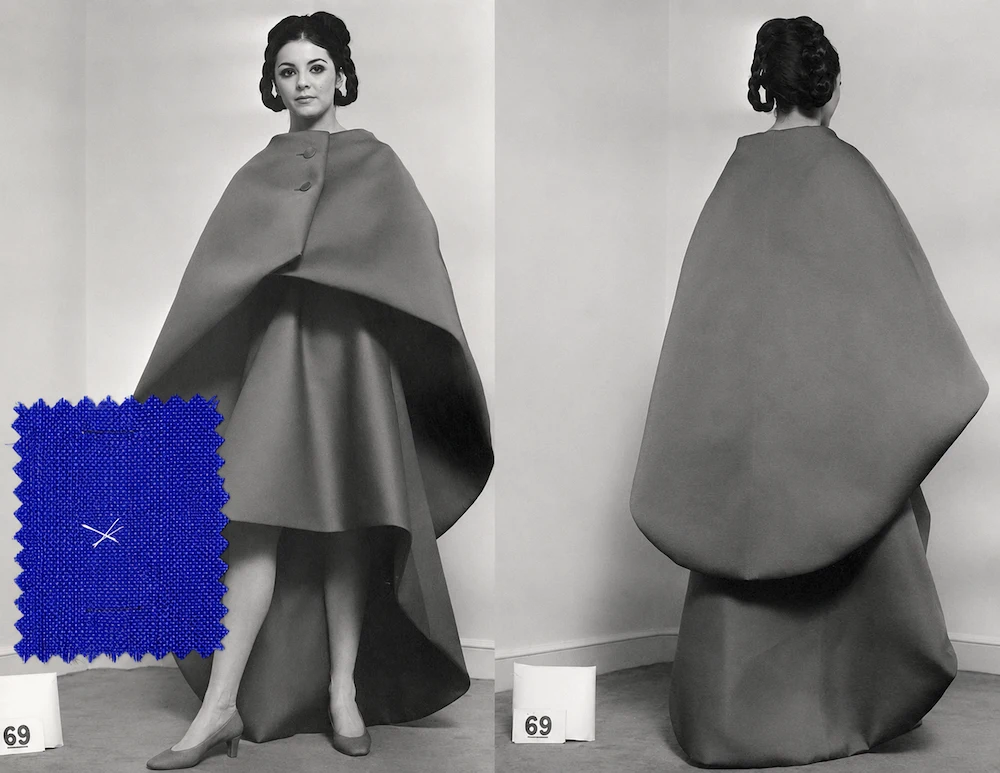
Cristóbal Balenciaga was admired not only for creating beautiful garments, but also for understanding how pattern cutting and fabric manipulation could transform a silhouette. The Victoria and Albert Museum highlights his ability to create sculptural forms that stood away from the body, framing the wearer rather than following every natural curve.
That distinction changed the visual balance of a garment. A sleeve, collar, back panel, or carefully placed seam could create volume without making the design appear heavy. The space between the fabric and the body became part of the composition.
When people search for facts about fashion designers, they often expect biographical surprises. Balenciaga’s work offers a different kind of discovery: sometimes the most radical idea is hidden inside the construction. What appears simple from the outside may depend on exact patternmaking, controlled tension, and a deep understanding of how a particular textile will hold its shape.
11. A Fashion Collection Can Require Much More Than Finished Looks
A collection may be remembered through a handful of runway photographs, yet its development involves far more than producing garments. Fashion Institute of Technology students completing MFA collections, for example, develop research, thesis writing, presentations, videos, lookbooks, business plans, portfolios, and a coordinated showcase alongside their final looks.
Professional brands vary in scale and structure, but the broader lesson remains relevant. A designer needs to explain the collection, position it within a market, document it visually, and prepare it for buyers, press, clients, or digital audiences. The clothes remain central, but they do not work in isolation.
These facts about fashion designers help correct the popular image of the profession as uninterrupted sketching and inspiration. Collection development also requires organization, editing, problem-solving, communication, and an understanding of how the work will exist after the runway. That makes this one of the more practical fashion designer interesting facts for students considering the field.
12. A Runway Show Is Built by a Large Creative Team
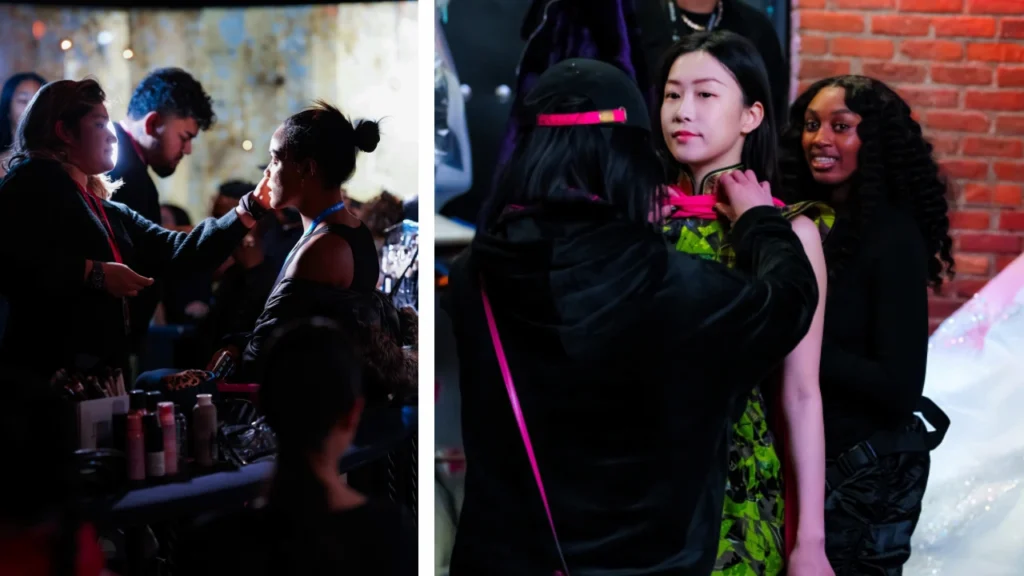
The designer may take the final bow, but a runway presentation depends on many people working toward the same visual idea. Fashion showcase planning can involve budgeting, creative direction, sponsorship, model casting, beauty, music, media relations, production, and sustainability. FIT includes these areas in its fashion showcase strategy and planning curriculum, reflecting how multidisciplinary the process has become.
Producers, stylists, casting teams, dressers, lighting specialists, sound designers, hair and makeup artists, photographers, publicists, and venue crews may all influence how the collection is experienced. Their work must align within a carefully controlled schedule.
This is one of the facts about fashion designers that becomes especially clear during fashion week: presenting a collection is also an exercise in leadership. The designer must protect the creative point of view while trusting specialists to translate it through the setting, soundtrack, casting, styling, and pace of the show.
Among all the fashion designer fun facts in this article, this may be one of the details most frequently overlooked by audiences watching from their seats.
13. Some of the Most Important Work Happens Days Before the Show
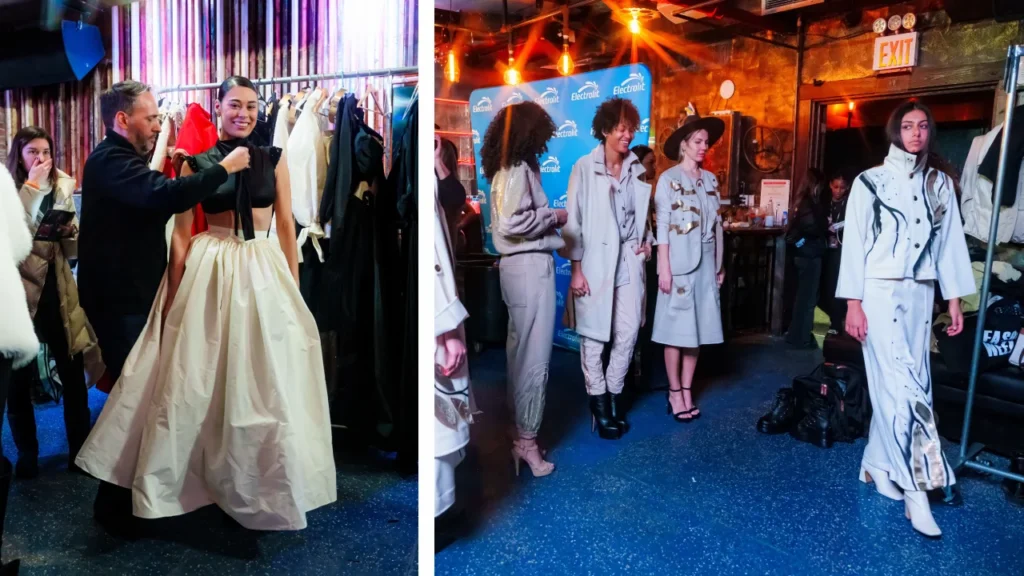
A runway date may have been scheduled months earlier, but the final days can still bring fittings, garment adjustments, inventory checks, beauty tests, seating decisions, and logistical changes. In a 2026 behind-the-scenes profile of Ashlynn Park, Vogue documented her team assessing garments on mannequins, completing final fittings, organizing the collection, preparing hair and makeup tests, and reviewing the seating plan only days before the show.
This late-stage work is not necessarily a sign that something has gone wrong. Clothing behaves differently once it is placed on a particular model, styled with shoes and accessories, or viewed under show lighting. A hem may need to shift, a closure may require reinforcement, or an entire look may read differently once it is seen in motion.
Few facts about fashion designers capture the reality of runway preparation better than this one: a collection is not truly finished when the sewing stops. It continues to evolve through casting, styling, rehearsals, and the final decisions made before the first model steps onto the runway.
14. The Catwalk Has Become a Form of Immersive Storytelling
Fashion shows began as relatively intimate presentations, but the format has grown into a global form of image-making that may combine architecture, performance, music, film, technology, choreography, and live streaming. The V&A’s exploration of catwalk history traces this evolution from private salon shows to the immersive runway experiences familiar today.
Alexander McQueen’s presentations are often remembered because the production was inseparable from the clothing. Producers Sam Gainsbury and Anna Whiting helped bring to life memorable moments that included the robotic spray-painting of a dress and the holographic appearance of Kate Moss. These were not effects added after the creative work; they helped shape how the collections were experienced and remembered.
For that reason, modern facts about fashion designers cannot focus only on garments. Designers increasingly create an atmosphere around a collection, deciding what the audience should hear, see, and feel.
These fashion designer fun facts help explain why a presentation lasting only a brief time can continue circulating through photographs, videos, reviews, and social media long after the venue has emptied.

What the Creative Process Reveals About Fashion Design
Together, these facts about fashion designers show that creativity is not a single flash of inspiration. It is a sequence of choices: how to work with fabric, when to revise a pattern, which specialists to involve, and how to translate clothing into a public experience.
The process may begin with draping, research, technology, or an unusual construction experiment. From there, the idea must survive fittings, production limits, styling decisions, and the practical demands of a runway show. The strongest collections feel coherent because every detail supports the same point of view, even when dozens of people contribute to the final presentation.
That is why fashion designer fun facts become more meaningful when they explain how the work is actually made. Behind every polished runway image is a combination of craft, testing, collaboration, timing, and careful editing.
The next section moves beyond the show itself to examine the business decisions, brand structures, and modern responsibilities that shape a designer’s career.
How Fashion Designers Build Brands Beyond the Runway
Creating a memorable collection is only one part of a designer’s career. Once the clothes leave the atelier, they enter a much larger system involving production, pricing, merchandising, marketing, licensing, e-commerce, media, and customer relationships.
The final group of facts about fashion designers looks at what happens beyond the creative process. These stories show how designers protect a recognizable identity while adapting it to changing markets, technologies, and cultural expectations.
Some of the most useful fashion designer fun facts are not about sketches or celebrity clients. They reveal how a creative name becomes a lasting business—and why artistic vision must often work alongside strategy.
15. A Fashion House Can Continue Long After Its Founder Is Gone
A designer’s name and the fashion house carrying that name are not always the same thing. Once a brand becomes established, other designers may inherit the responsibility of interpreting its archives, codes, silhouettes, and visual identity for a new generation.
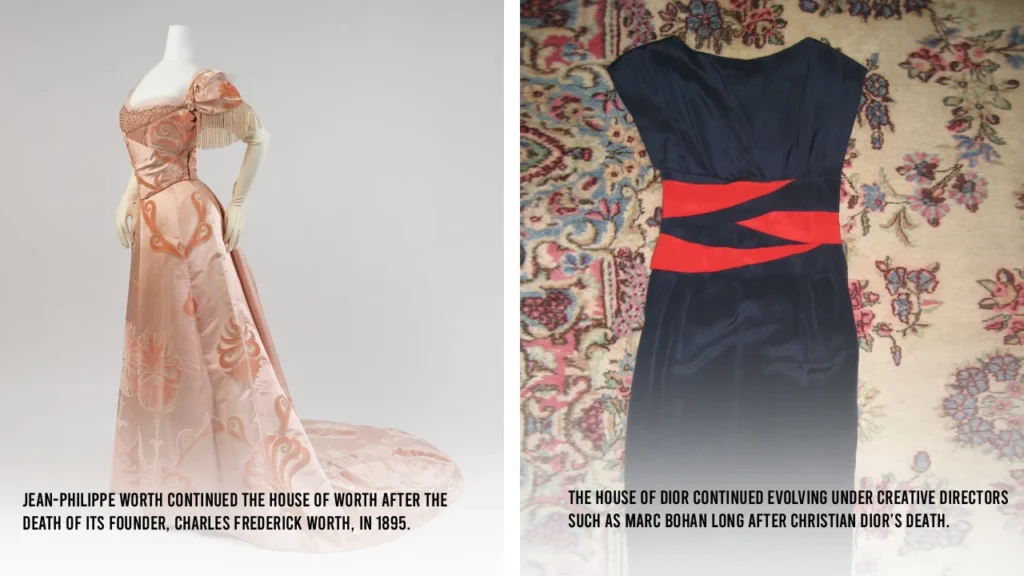
The House of Worth offers an early example. After Charles Frederick Worth died in 1895, his son Jean-Philippe Worth became the house’s lead designer and continued creating elaborate gowns associated with the family business. Christian Dior’s house also continued after the founder’s unexpected death in 1957, even though Dior himself had designed under his own name for only about a decade.
This is one of the most important facts about fashion designers because audiences often connect a brand permanently with its founder. In reality, an established fashion house can pass through several creative eras.
The challenge for every successor is finding the balance between preservation and change. Referencing an archive too literally can make a collection feel nostalgic, while abandoning it completely can weaken the identity that customers recognize.
Among the most interesting facts about fashion designers, this distinction helps explain why creative-director appointments attract so much attention. A new designer is not simply producing clothes; they are being trusted with an existing cultural language.
16. Licensing Helped Designer Names Become Global Businesses
A fashion label does not always manufacture every product carrying its name. Through licensing, a brand can authorize another company to create and distribute products under agreed standards and commercial terms.
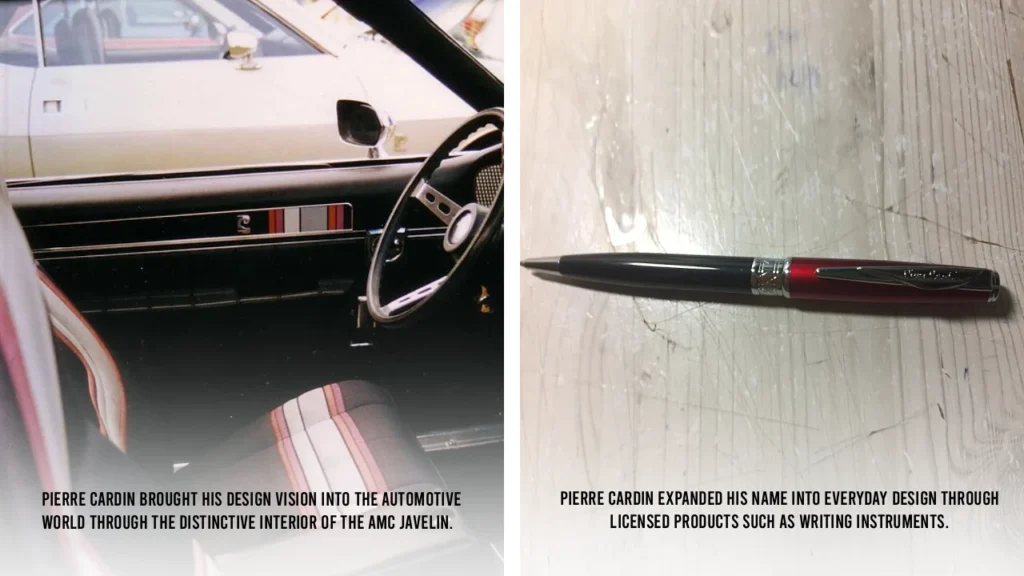
Christian Dior and his business partner Jacques Rouet were early leaders in this approach. By 1948, Dior had licensing arrangements covering products such as furs, stockings, and perfumes. These agreements generated revenue while helping the Dior name reach a much wider public.
Pierre Cardin took licensing even further. According to the fashion house, he used a Texas-based distributor to develop Pierre Cardin products across North and South America before expanding the model internationally.
This example belongs among the most revealing facts about fashion designers because it shows that brand growth does not depend only on selling couture or runway pieces. Fragrance, eyewear, accessories, home products, and other categories can introduce a designer’s name to customers who may never purchase a custom garment.
It is also one of those fashion designer fun facts that becomes more complicated when examined closely. Licensing can expand visibility quickly, but excessive or inconsistent use of a name may weaken exclusivity. Successful expansion requires a clear understanding of which products belong inside the brand’s world.
17. Fashion Design Is Both Creative and Analytical
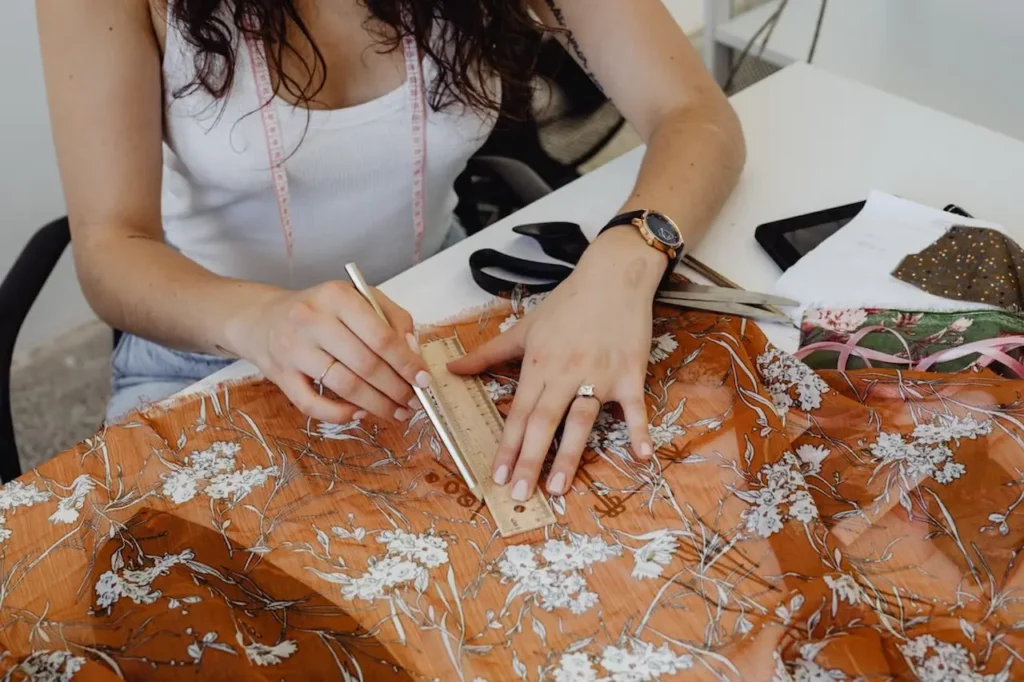
The popular image of a designer often centers on intuition: a sudden idea, an expressive sketch, or a fabric discovered at the perfect moment. Professional design also involves forecasting, pricing, product development, merchandising, sourcing, sales, and e-commerce.
The Fashion Institute of Technology describes the fashion business as both creative and analytical, connecting it with areas such as product development, merchandising, styling, and digital commerce. Its curriculum also includes forecasting methods used to plan, purchase, and merchandise fashion lines.
That makes commercial judgment one of the less glamorous but more useful facts about fashion designers. A beautiful garment may still be difficult to produce, too expensive for its intended customer, poorly timed for the season, or impossible to deliver consistently.
Designers must regularly make choices that affect both the visual outcome and the health of the business. They may adjust a fabric to meet a target price, reduce the number of pieces in a collection, develop a more accessible product, or decide which designs are most likely to attract buyers.
The creative and commercial sides are not necessarily enemies. Strong business decisions can give a designer the stability to continue experimenting, employ skilled teams, and present future collections.
18. Sustainability Decisions Begin Before a Garment Is Produced
Sustainability is sometimes discussed as something that happens after clothing is made, through recycling, resale, or responsible disposal. Many of the most important decisions occur much earlier, during design and development.
Material selection, pattern efficiency, durability, repairability, production volume, packaging, and the ability to reuse or recycle components can all influence a garment’s environmental impact. The CFDA’s design resources emphasize circularity across the entire product lifecycle, while UNEP encourages a life-cycle approach that reduces resource use and emissions at every stage.
The scale of the issue is significant. UNEP reports that the textile industry is responsible for an estimated 2 to 8 percent of global greenhouse gas emissions and uses enormous quantities of water each year.
For anyone researching facts about fashion designers, this means sustainability cannot be reduced to choosing one recycled fabric. Designers may need to rethink how products are sourced, constructed, transported, maintained, and eventually recovered.
It is one of the most relevant fashion designer interesting facts today because the designer’s role is expanding. Creative decisions increasingly involve supply-chain transparency, material innovation, responsible production, and longer product lifecycles.
These may not sound like traditional fashion designer fun facts, but they reveal how dramatically the profession is changing.

19. Modern Designers Must Communicate a World, Not Just a Collection
A strong collection can still struggle to reach an audience if the brand cannot explain what makes it distinctive. Designers now work within an environment shaped by websites, social platforms, e-commerce, video, creators, press coverage, and direct communication with customers.
The CFDA has highlighted the importance of balancing collection quality, conceptual integrity, storytelling, and digital influence. It has also noted that independent brands operate in an increasingly competitive and digitally driven market where marketing and public relations are essential for recognition.
This does not mean every designer must personally manage every post or campaign. It does mean the brand needs a clear voice that extends beyond the garments.
A runway presentation may introduce the mood of a collection, while campaign imagery builds its visual identity. Behind-the-scenes content can make the process more accessible, and editorial stories can give context to the designer’s references. E-commerce must then translate that world into a clear buying experience.
These facts about fashion designers show why storytelling has become a practical business skill rather than an optional extra. Customers are not only encountering a product; they are deciding whether the values, imagery, tone, and community surrounding the brand feel meaningful to them.
For many independent designers, communicating a collection can require almost as much planning as presenting it.

20. Independent Fashion Designers Are Also Entrepreneurs
Launching an independent label requires far more than producing an impressive debut collection. Designers may need to define a target customer, build a business plan, calculate costs, find manufacturers, manage inventory, negotiate with retailers, secure funding, develop marketing, and plan future growth.
FIT’s entrepreneurship program is designed around identifying market opportunities and turning creative concepts into viable ventures. Its coursework connects product design and technical development with business strategy and pitching.
For emerging labels, these responsibilities are especially visible because the founder may be performing several roles at once. The same person reviewing a sample in the morning might speak with a buyer, approve campaign images, examine website sales, and discuss production deadlines later that day.
The final entry in this list of facts about fashion designers may be the most useful for anyone planning to enter the industry: talent alone does not create a sustainable company. Designers also need patience, financial awareness, communication skills, adaptability, and a willingness to make decisions under pressure.
This is why the best fashion designer fun facts should not present success as effortless. The runway may be the most visible moment, but the brand is built through hundreds of decisions made before and after the show.
What These Facts Reveal About the Fashion Industry
Taken together, these 20 facts about fashion designers reveal a profession that is far broader than its public image. Designers may enter fashion through medicine, architecture, politics, journalism, retail, performance, or another creative discipline. Once inside the industry, they must learn how to transform ideas into garments, garments into collections, and collections into experiences that audiences can understand.
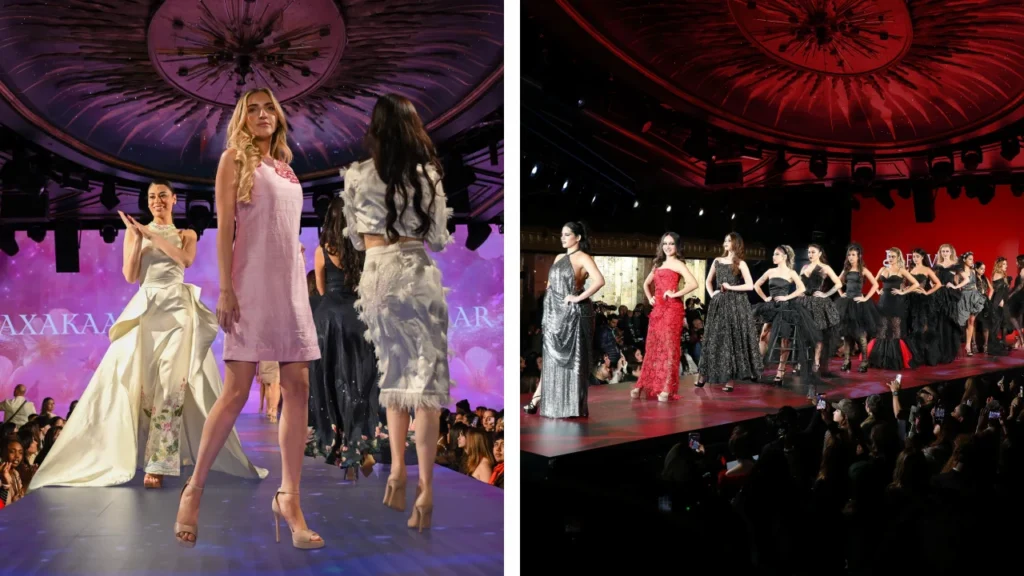
The creative process itself is equally varied. Some designers begin with detailed sketches, while others work directly on a mannequin or develop new techniques through fabric and technology. Runway shows add another layer, bringing together casting, music, lighting, styling, production, communications, and precise backstage coordination.
Beyond the runway, designers also operate within a demanding business environment. They must understand pricing, licensing, merchandising, e-commerce, sustainability, marketing, and long-term brand development.
That is what makes these fashion designer fun facts more valuable than isolated pieces of trivia. Each one offers a glimpse into the knowledge, experimentation, and persistence required to build a meaningful career in fashion.
The clothes may be what the public sees first, but behind every collection is a larger story involving craft, collaboration, timing, identity, and business. Understanding that story makes fashion feel not less magical, but more impressive.