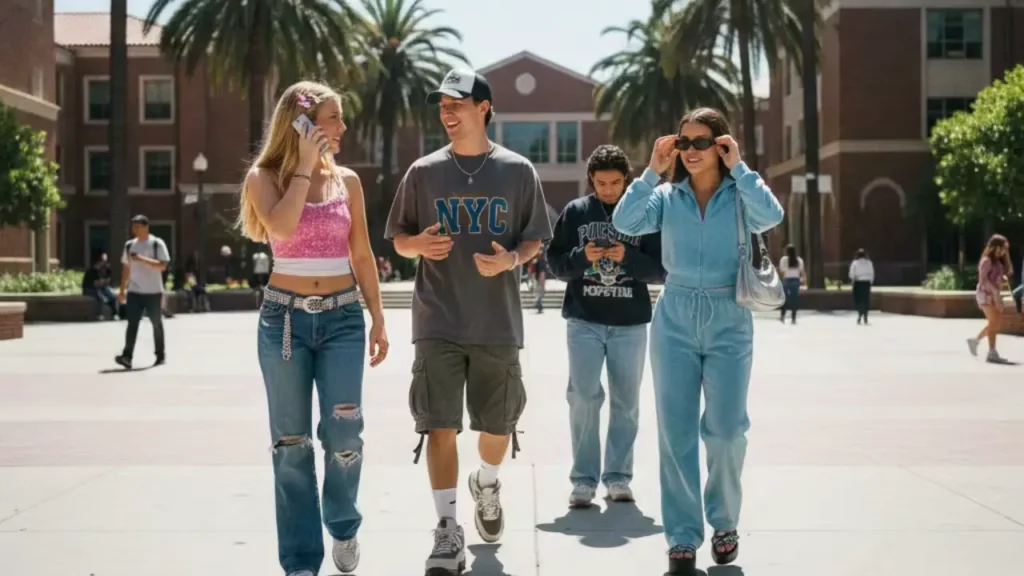
The early 2000s created a fashion language that was playful, highly visible, and closely tied to celebrity culture. Low rise denim, fitted tops, logo heavy accessories, and glossy beauty looks reflected a period shaped by pop music, red carpets, reality television, and the growing influence of the internet. The early 2000s fashion trends that defined the era were often bold, body conscious, and designed to attract attention.
Y2K style was never limited to one aesthetic. It moved between futuristic optimism, casual streetwear, polished nightlife looks, and relaxed celebrity outfits. That variety helps explain why the period continues to influence designers, stylists, and younger audiences today.
What Defined Fashion in the Early 2000s?
The early 2000s fashion trends were driven by rapid cultural change. Fashion magazines remained influential, but music videos, celebrity photography, television, and online communities began shaping style at a much faster pace.
Consumers were no longer looking only to traditional runway collections for inspiration. They were watching what performers wore on stage, what actors wore between events, and how public figures combined designer pieces with casual basics.
The Influence of Y2K Culture
Y2K culture blended excitement about technology with a glossy, futuristic visual identity. Metallic fabrics, reflective finishes, tinted sunglasses, mini bags, and sleek synthetic materials gave clothing a digital age appearance.
At the same time, the aesthetic remained playful rather than purely futuristic. Rhinestones, bright colors, fitted silhouettes, and novelty accessories made early 2000s fashion trends feel youthful and optimistic. The result was a style that looked equally at home in a music video, shopping mall, nightclub, or teen magazine.
Technology also changed how trends circulated. Fashion websites, message boards, digital photography, and early social platforms allowed celebrity looks to reach audiences more quickly. This helped transform small styling details into widely recognized trends.
You might be interested in reading: Fashion Trends in the 1960s: From Mod Style to Hippie Fashion
The Rise of Celebrity Driven Fashion
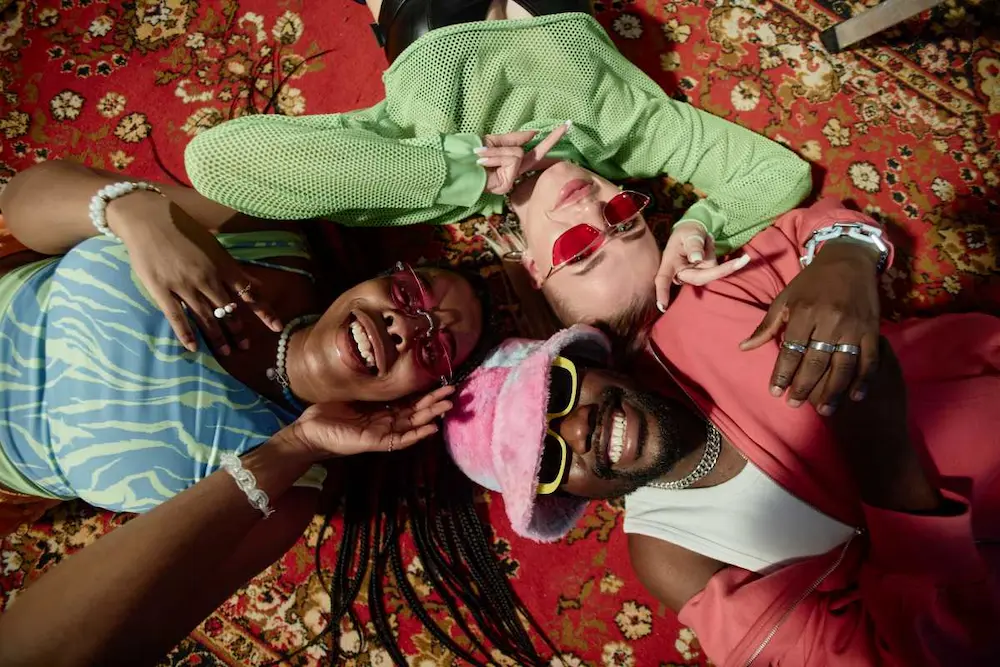
Celebrities became powerful fashion references during the early 2000s. Paparazzi images, red carpet coverage, music television, and reality shows made personal wardrobes almost as influential as professionally styled appearances.
Public figures helped popularize low rise jeans, fitted tracksuits, tiny handbags, oversized sunglasses, trucker hats, and layered tank tops. Audiences could often recreate these outfits more easily than couture runway looks, which made celebrity style commercially valuable.
The relationship between fashion and entertainment also became more direct. Designers dressed musicians and actors for major appearances, while visible logos and recognizable accessories gave brands immediate exposure. Early 2000s fashion trends therefore developed through a constant exchange between luxury labels, pop culture, and everyday consumers.
The Most Iconic Early 2000s Fashion Trends
The era’s most memorable pieces were easy to identify and simple to personalize. They could be worn as complete Y2K looks or mixed with basics from streetwear, sportswear, and casual American fashion.
These garments became iconic because they appeared across different social settings. A single trend could move from a music video to a red carpet, then into department stores and everyday wardrobes within a short period.
Low Rise Denim
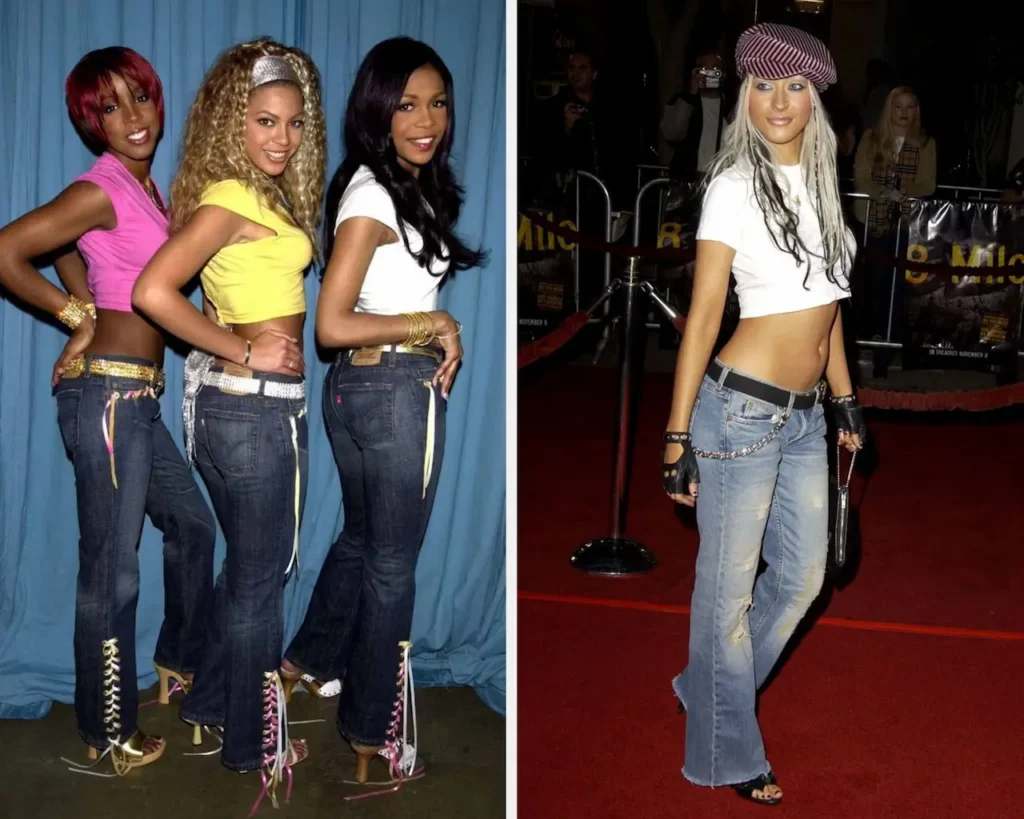
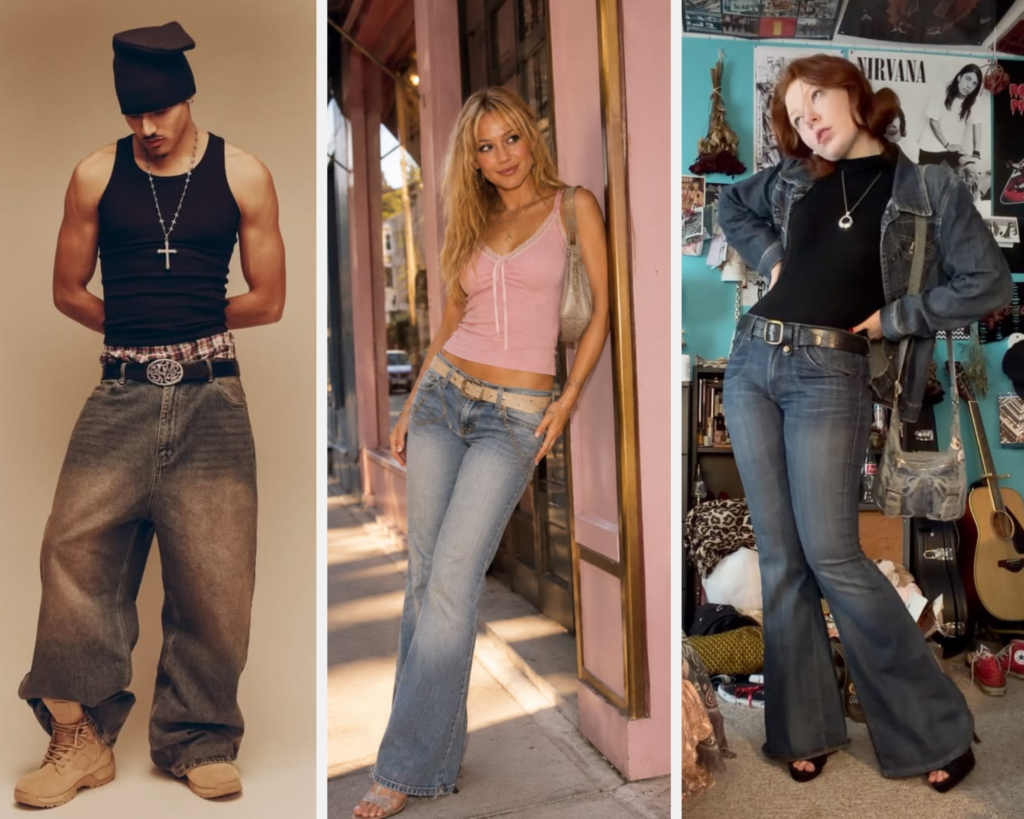
Low rise jeans became one of the clearest symbols of the decade. They were worn in bootcut, flared, distressed, embellished, and ultra fitted versions, often paired with cropped tops or fitted tanks.
The style emphasized the waist and hips, creating a silhouette that was distinctly different from the high rise denim associated with other decades. Among all early 2000s fashion trends, low rise denim remains one of the most instantly recognizable and debated.
You might be interested in reading: Sydney Sweeney Dress: Everything We Know About the Stunning Silver Look
Cropped Silhouettes
Baby tees, halter tops, tube tops, cropped cardigans, and short jackets made the upper body silhouette more fitted and exposed. These pieces were commonly styled with low rise pants, miniskirts, or layered tanks.
Cropped silhouettes also allowed for greater experimentation with proportion. A fitted top could be balanced with cargo pants, wide leg denim, or an oversized jacket, creating the contrast that defined many Y2K outfits.
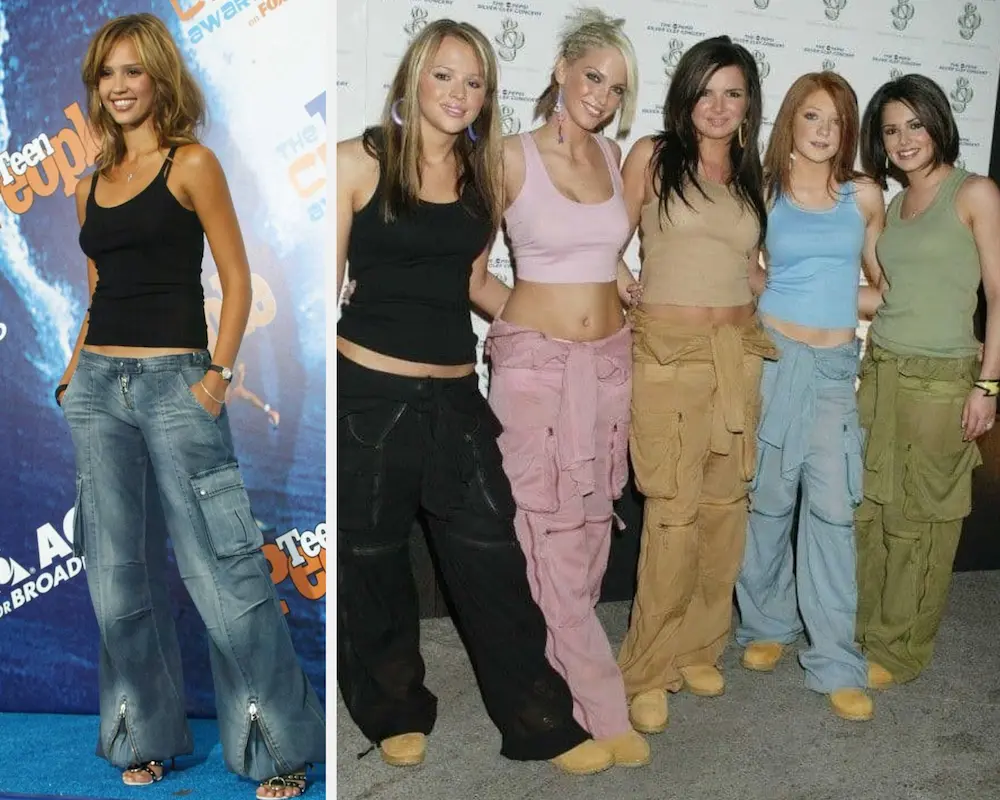
Cargo Pants
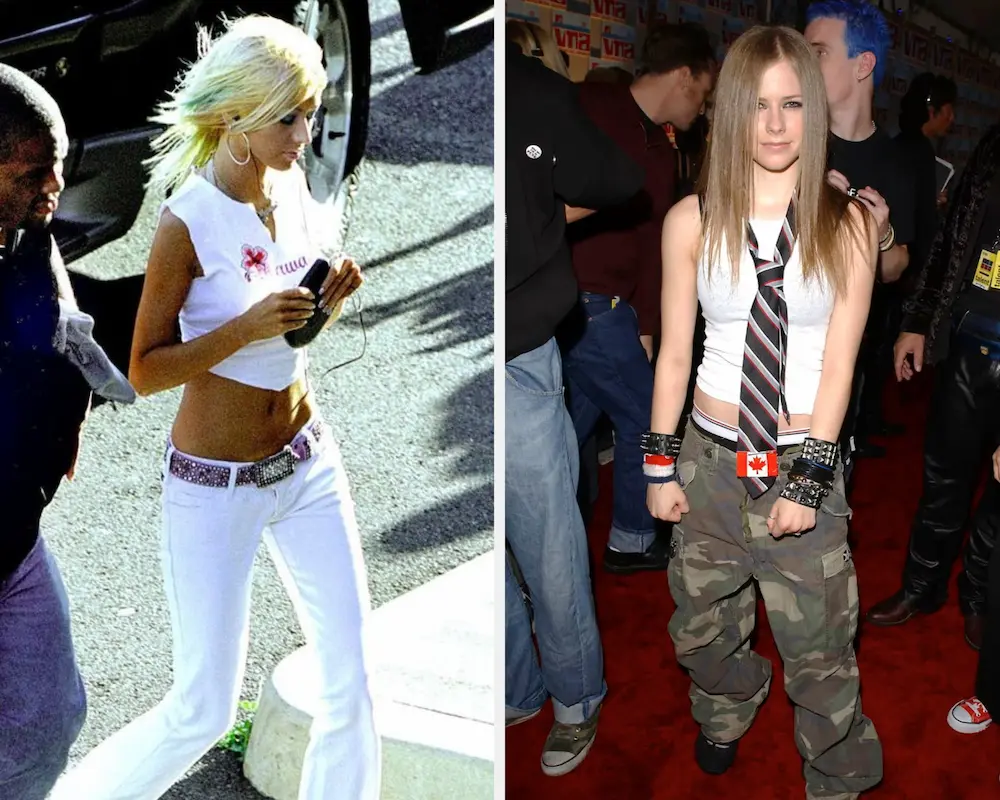
Cargo pants introduced a more relaxed and utilitarian direction. Oversized pockets, loose fits, drawstring waists, and lightweight fabrics made them practical while still visually distinctive.
They were worn with sneakers, heels, fitted tops, or sporty jackets, which helped the trend move between streetwear and nightlife. Their versatility made cargo pants especially popular among musicians, dancers, and younger consumers.
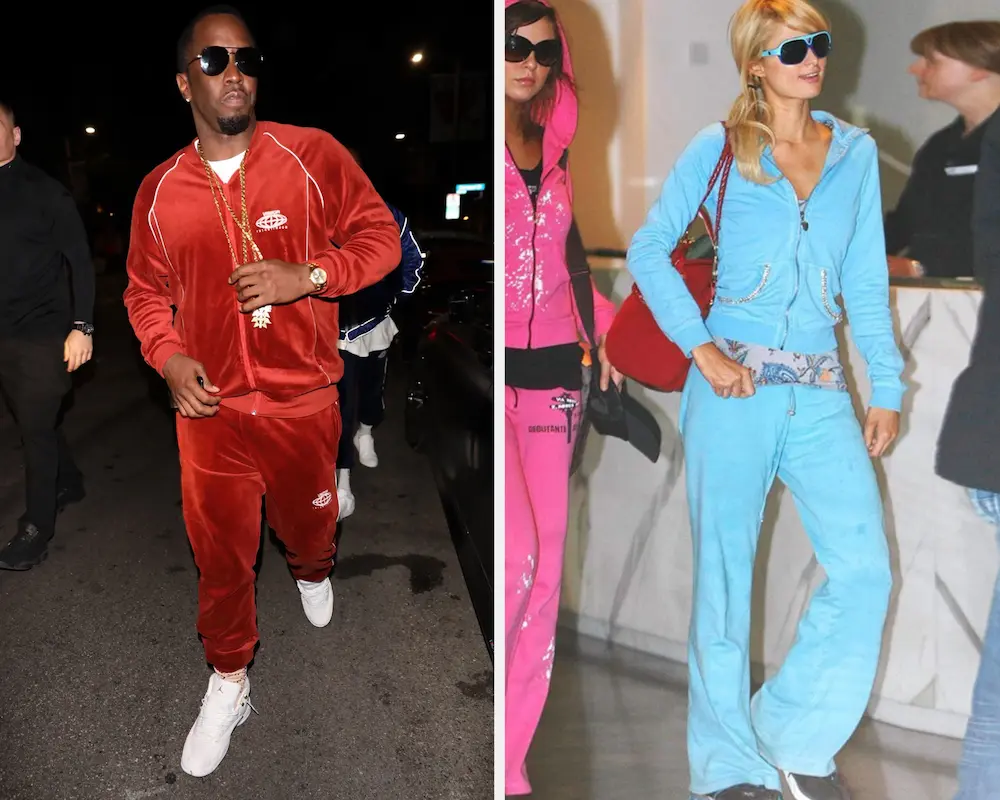
Velour Tracksuits
Velour tracksuits turned comfort into a highly recognizable fashion statement. Matching zip up jackets and pants appeared in bright colors, soft neutrals, and logo detailed versions.
The look became associated with off duty celebrity style because it combined ease, branding, and coordinated dressing. It also captured an important quality of the era: casual clothing could still be glamorous, visible, and intentionally styled.
Women’s and Men’s Fashion in the Early 2000s
Women’s and men’s wardrobes reflected the same interest in visibility, branding, and experimentation, although their silhouettes often moved in different directions. The early 2000s fashion trends blended celebrity glamour, relaxed streetwear, athletic influences, and nightlife dressing.
Women’s Y2K Style
Women’s fashion emphasized fitted shapes, exposed waistlines, and playful accessories. Low rise jeans, cropped tops, denim miniskirts, velour tracksuits, halter necklines, and small handbags appeared across everyday outfits and celebrity styling.
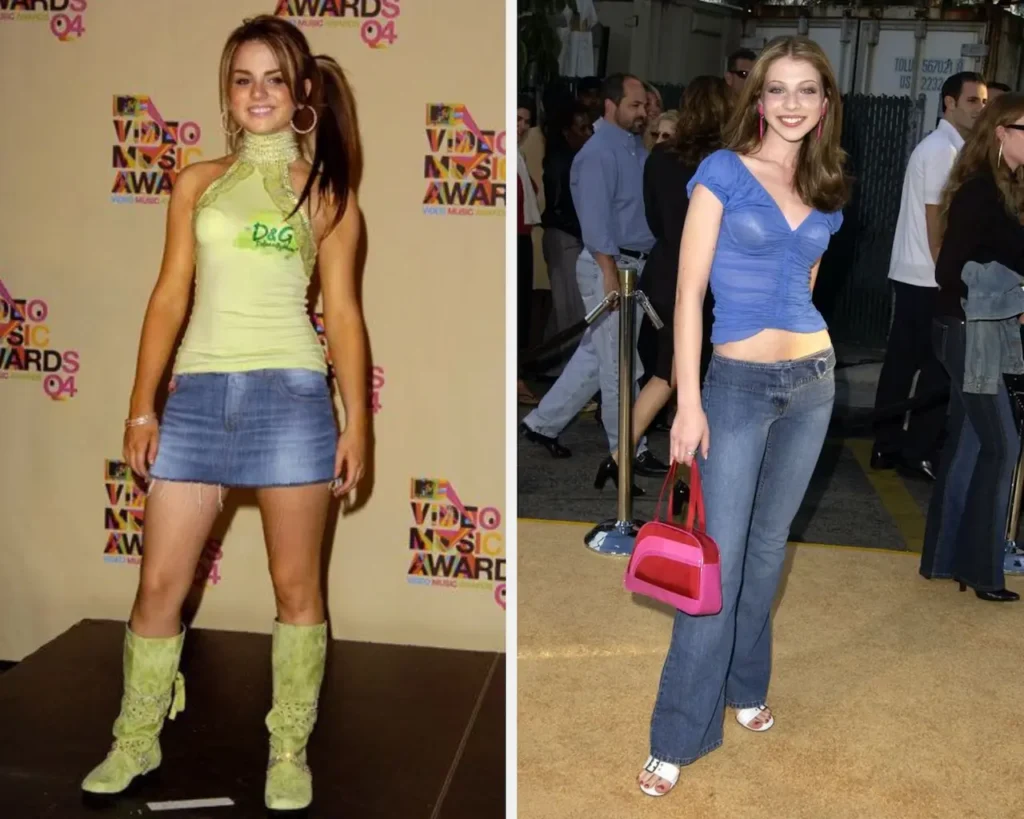
Popular choices included:
- Low rise bootcut jeans
- Baby tees and cropped cardigans
- Denim miniskirts
- Velour tracksuits
- Tube tops and halter tops
- Platform sandals and pointed heels
- Baguette bags and tinted sunglasses
These early 2000s fashion trends allowed women to combine comfort with glamour. A tracksuit could be completed with oversized sunglasses and a designer bag, while denim was often styled with rhinestones or statement belts.
Men’s Y2K Style
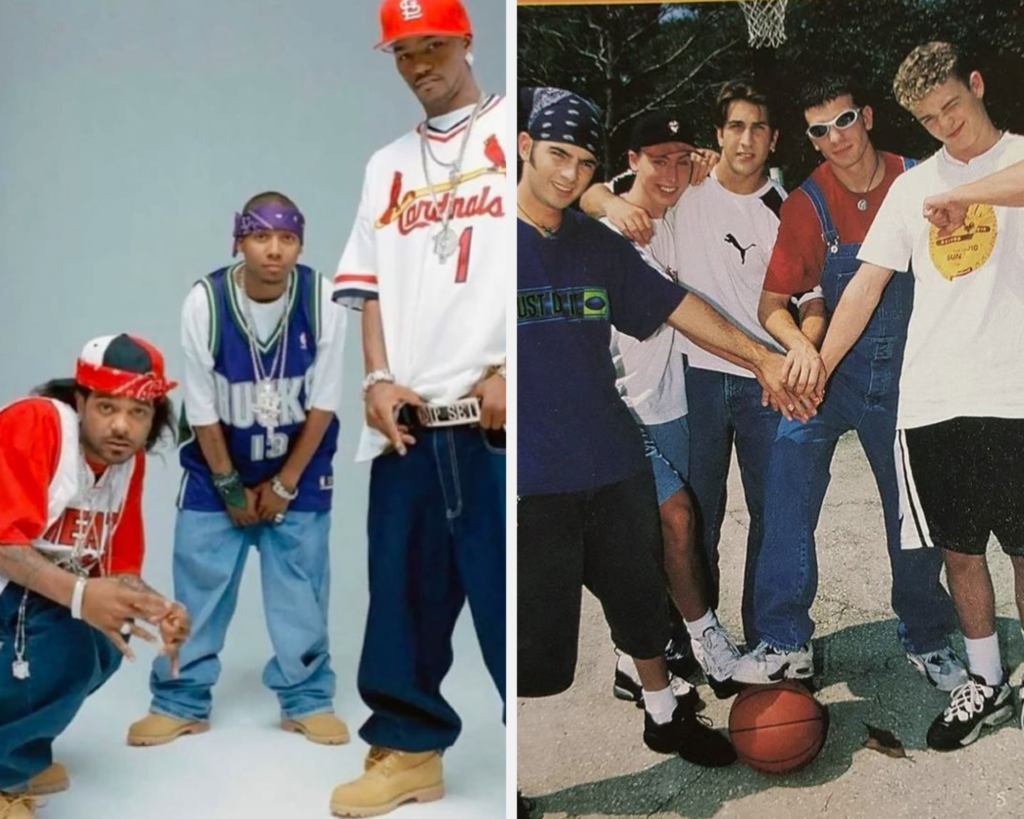
Men’s fashion combined oversized streetwear, athletic influences, relaxed layering, and visible branding. Loose jeans, cargo pants, graphic shirts, sports jerseys, tracksuits, and statement sneakers appeared across music videos, television, and everyday wardrobes.
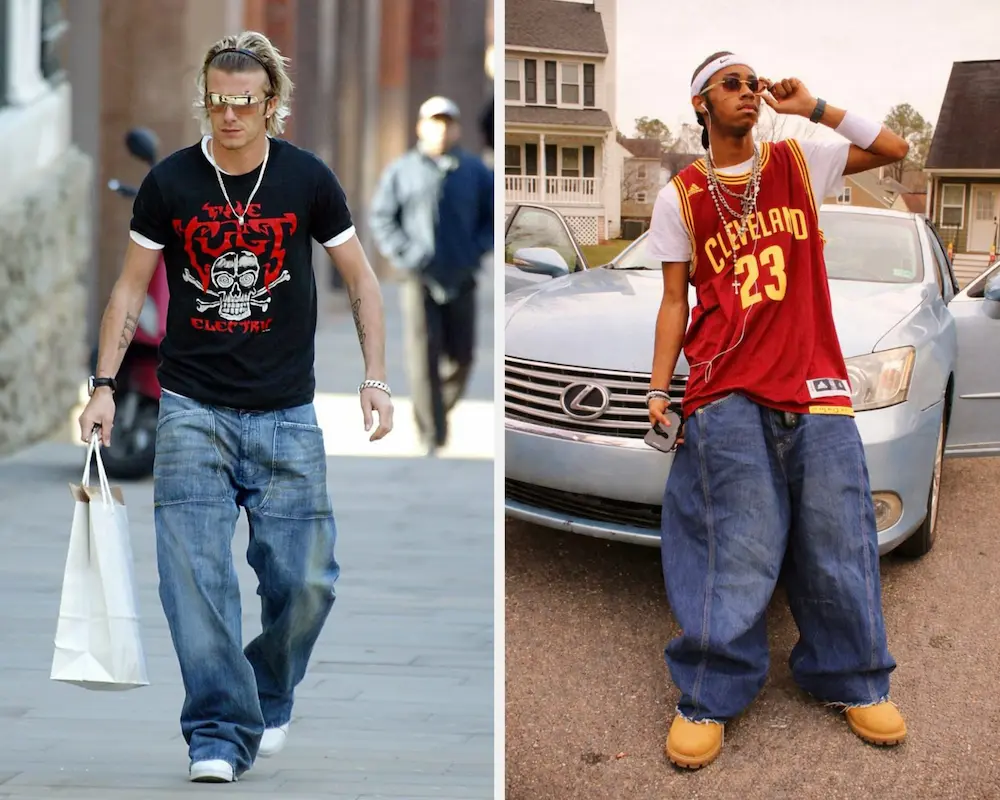
Popular choices included:
- Baggy jeans and oversized denim
- Cargo pants and utility trousers
- Basketball jerseys and graphic shirts
- Tracksuits and coordinated sportswear
- Leather jackets and bomber jackets
- High top sneakers and casual boots
- Baseball caps, chains, and branded accessories
These early 2000s fashion trends allowed men to move between athletic dressing, hip hop inspired streetwear, and polished nightlife looks. Oversized shirts were often layered beneath jerseys, hoodies, or jackets, while fitted button down shirts, bootcut trousers, leather outerwear, and sharper evening pieces offered a more polished alternative.
The Cultural Movements That Shaped Y2K Style
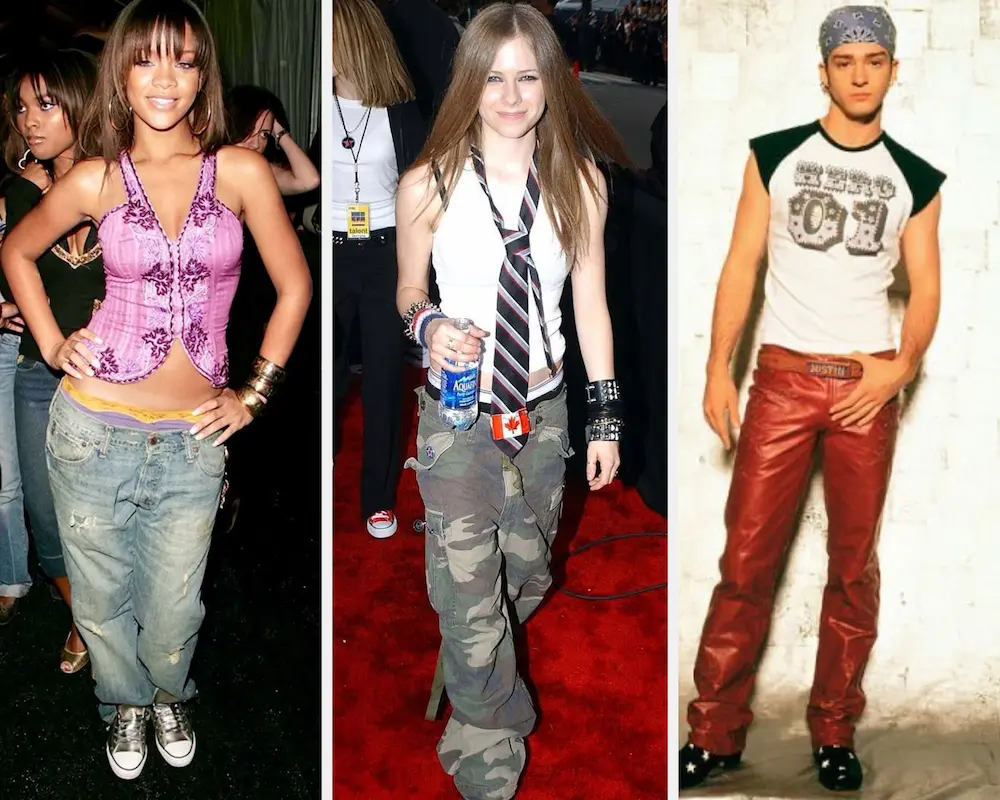
The era was influenced by pop music, hip hop, skate culture, television, nightlife, and youth communities. Memorable outfits often mixed several influences.
Music Subcultures and Youth Fashion
Pop performers popularized fitted tops, low rise pants, metallic finishes, and coordinated stage outfits. Hip hop artists helped make oversized clothing, branded sportswear, sneakers, jewelry, and customized pieces central to mainstream fashion.
Emo and pop punk communities moved in another direction through dark denim, band shirts, striped layers, studded belts, canvas sneakers, and dramatic hair. These movements gave young audiences several ways to express identity through clothing.
Logo Culture and Branded Streetwear
Visible branding became a defining feature of the period. Logos appeared on handbags, belts, tracksuits, shirts, hats, and accessories, turning brand recognition into part of the outfit.
Within the early 2000s fashion trends, a recognizable monogram or label could communicate aspiration and cultural awareness immediately. Branding was designed to be noticed rather than hidden.
Footwear, Accessories, and Beauty Trends
The Y2K look depended on details. Shoes, bags, jewelry, sunglasses, hair, and makeup often carried as much visual importance as the clothing.
Iconic Y2K Footwear
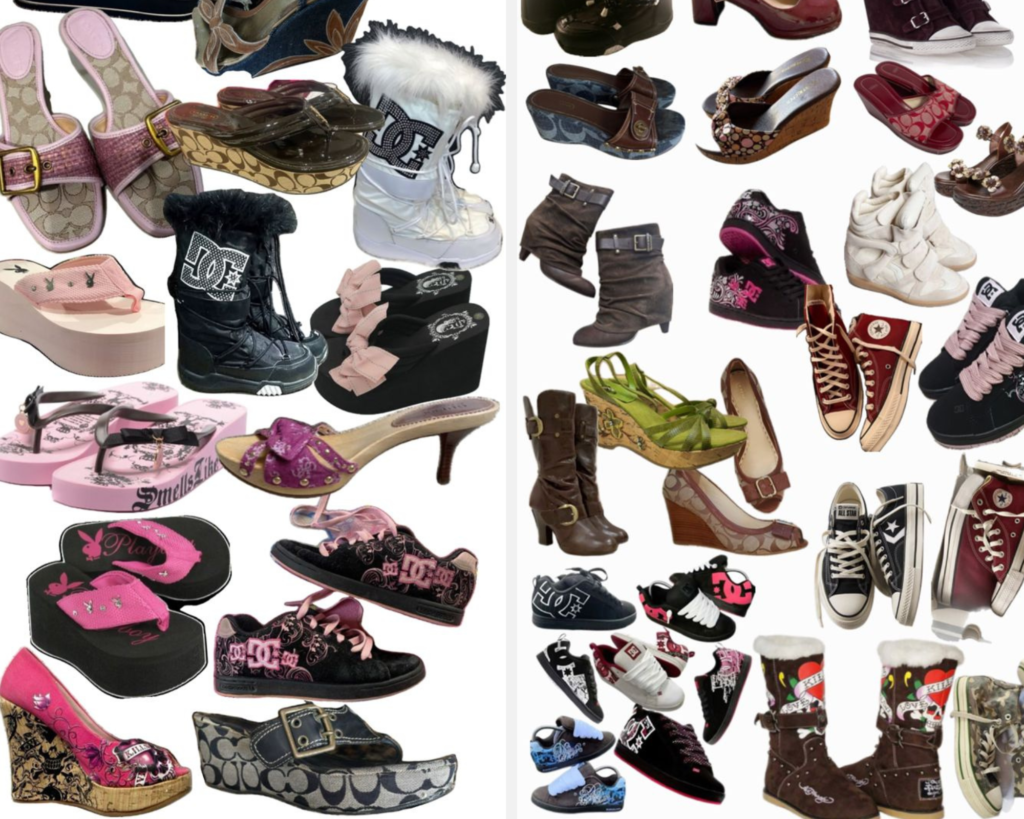
Platform sandals, pointed heels, chunky sneakers, tall boots, and casual shearling boots became familiar choices. Each supported a different side of the era, from polished nightlife looks to relaxed celebrity dressing.
Platforms added height to flared jeans, while pointed shoes sharpened bootcut trousers. Casual boots offered a softer option for off duty outfits.
Accessories That Completed the Look
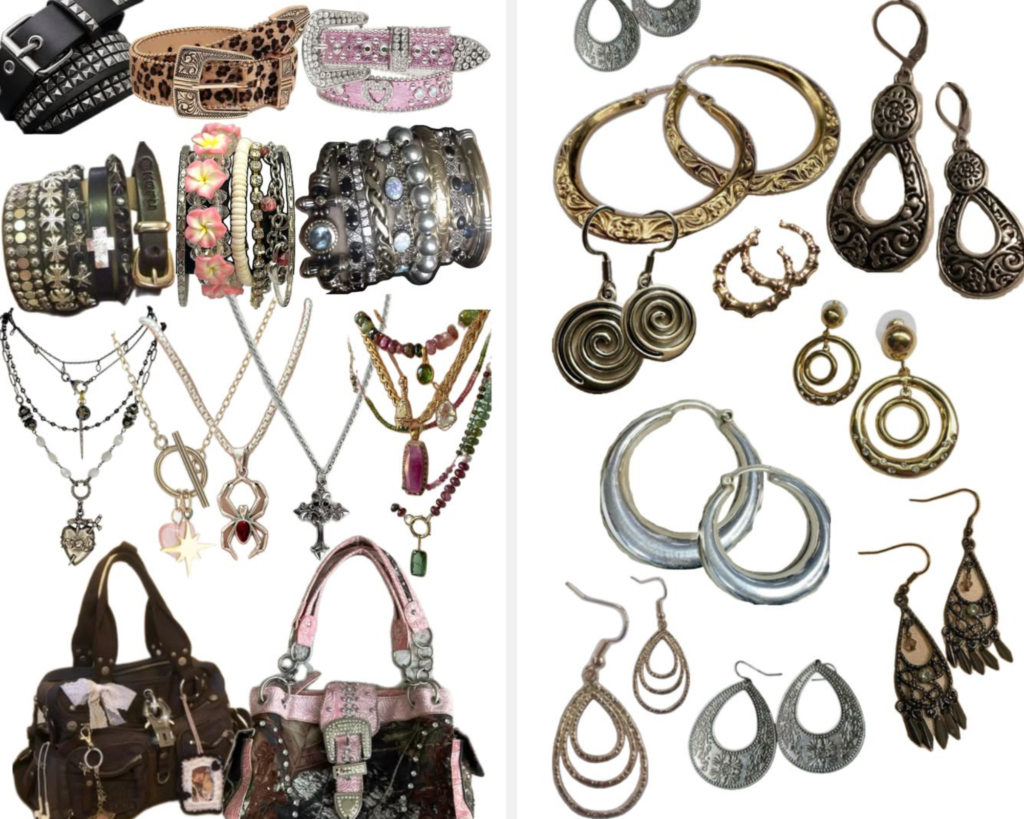
Baguette bags, tinted sunglasses, wide belts, trucker hats, hoop earrings, chokers, and layered necklaces completed many early 2000s fashion trends. Accessories were rarely treated as quiet details.
Rhinestones, metallic finishes, and visible logos reinforced the era’s playful glamour.
Hair and Beauty Trends
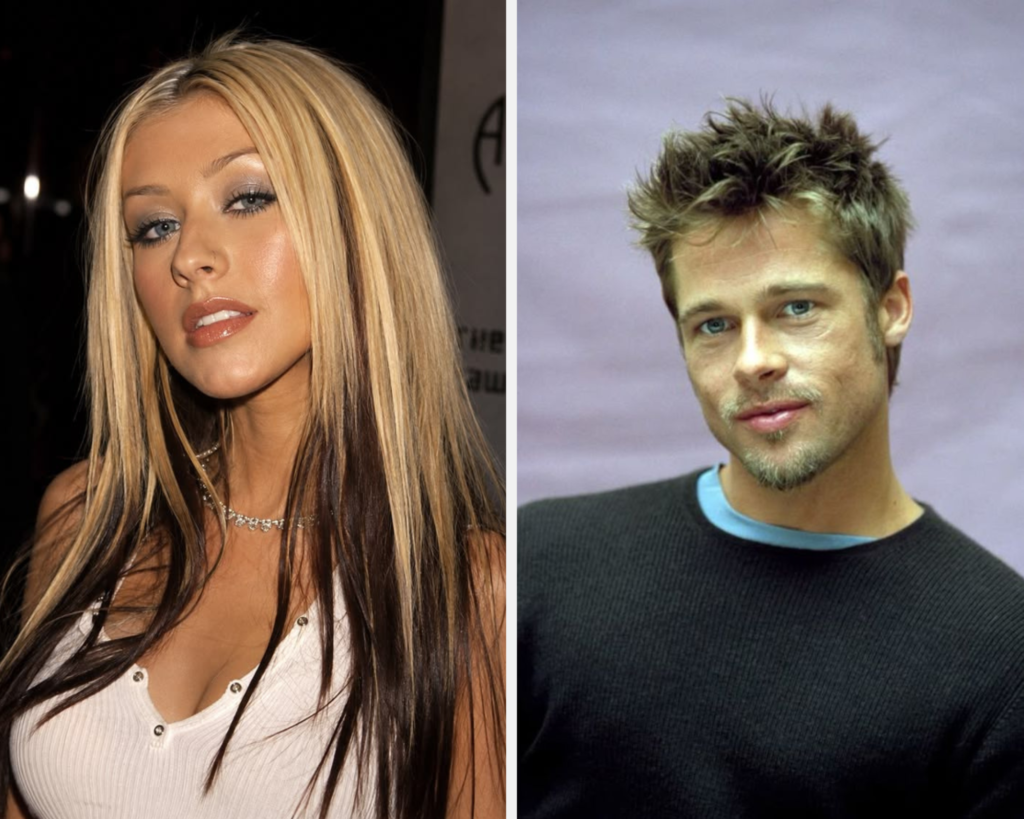
Glossy lips, frosted eye shadow, thin eyebrows, shimmering skin, and dark lip liner shaped the period’s beauty identity. Hair trends included crimped texture, face framing highlights, butterfly clips, straightened lengths, and side swept bangs.
These choices created a complete visual identity. Beauty reflected the same fascination with shine, color, and carefully styled casualness seen throughout Y2K clothing.
How Y2K Fashion Returned
The return of early 2000s fashion trends has been driven by runway reinterpretations, social media, resale platforms, and renewed interest in vintage celebrity style.
The Y2K Revival on Runways and Social Media
Modern collections frequently reference low rise denim, cargo pants, cropped silhouettes, metallic materials, and small shoulder bags. Social platforms have accelerated the revival by helping users adapt archival looks for current audiences.
The strongest versions refine the fit, improve the construction, and combine nostalgic pieces with contemporary styling instead of copying the period exactly.
How to Wear Y2K Fashion Today
Choose one clear reference and build around it. Relaxed denim can be paired with a fitted top, while a baguette bag can add nostalgia to a modern outfit.
Balance is essential. Updating early 2000s fashion trends means preserving their confidence and playfulness without making the entire look feel like a costume.
Why Y2K Style Continues to Influence Modern Fashion
The early 2000s fashion trends remain relevant because they captured a period of optimism, celebrity visibility, and rapid cultural change. Their silhouettes were memorable, their accessories were expressive, and their connection to entertainment made the era easy to recognize.
Contemporary fashion shows continue to reinterpret these ideas through new materials, more inclusive styling, and stronger construction. Runway 7 provides a platform where designers can transform nostalgic references into original collections for buyers, press, creators, and fashion audiences.