
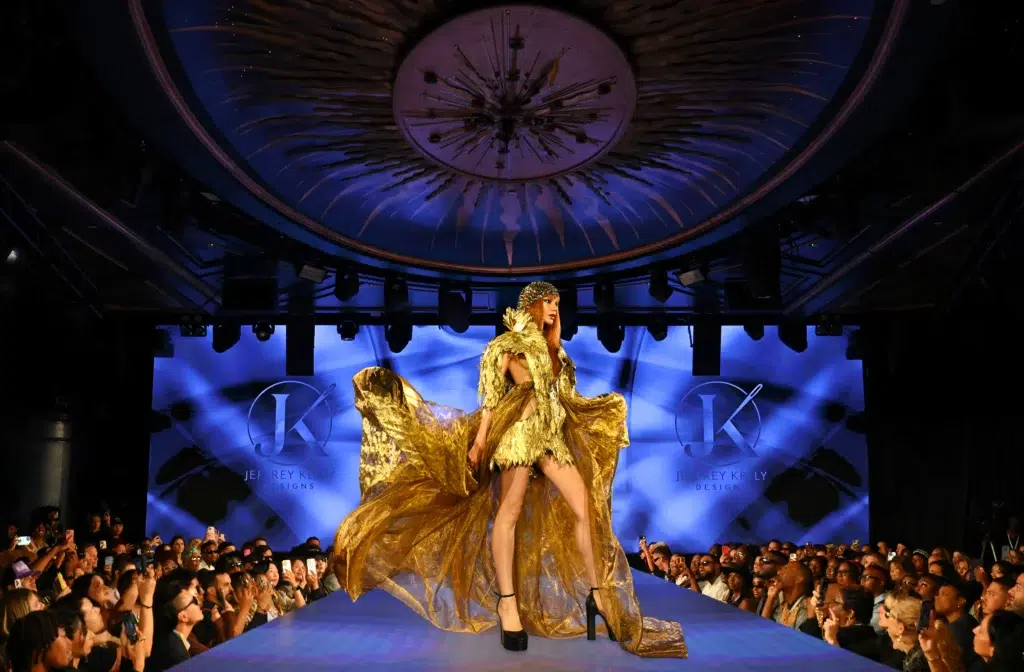
New York Fashion Week takes place twice a year, which often leads to an important question: what’s the difference between New York Fashion Week February vs September?
Understanding the differences between these two editions helps attendees decide which season is best to attend, especially when planning travel and purchasing tickets.
When Does New York Fashion Week Take Place?
New York Fashion Week happens twice a year:
- February – Fall/Winter collections
- September – Spring/Summer collections
Both editions feature runway shows, designers, and fashion events, but the experience and focus differ.
February vs September: Fashion Focus
February NYFW
- Showcases Fall/Winter collections
- Often more dramatic and layered designs
- Takes place during winter in New York
September NYFW
- Showcases Spring/Summer collections
- Lighter fabrics and seasonal looks
- Warmer weather and outdoor-friendly styles

Crowd and Atmosphere Differences
February events tend to attract:
- Industry professionals
- Serious fashion enthusiasts
- Attendees focused on collections
September often feels:
- Slightly more social
- More outdoor-friendly
- More casual in atmosphere
Which NYFW Season Is Better to Attend?
There is no “better” season — it depends on what you’re looking for:
- Fashion-focused experience → February
- Social and seasonal vibes → September
Many first-time attendees prefer February for its classic runway atmosphere.

Ticket Availability: February vs September
When comparing New York Fashion Week with the September season, ticket demand often behaves differently depending on weather, travel schedules, and venue capacity. February runway events typically attract strong interest because of the Fall/Winter collections, indoor venue experiences, and the concentration of high-demand evening shows throughout the week.
In many cases, February NYFW events tend to:
- Sell out faster than expected
- Have stronger demand for weekend runway shows
- Offer more limited seating availability at popular venues
- Require earlier planning for VIP access and premium seating
Because of this, many attendees begin checking New York Fashion Week tickets well before the season officially starts, especially if they plan to attend multiple shows during Fashion Week in New York City.
Final Thoughts: February or September?
Both editions of New York Fashion Week offer unique experiences. If your goal is to experience the core runway presentations, February 2026 is an excellent choice.
As with all NYFW events, securing tickets early ensures the best options and availability.